


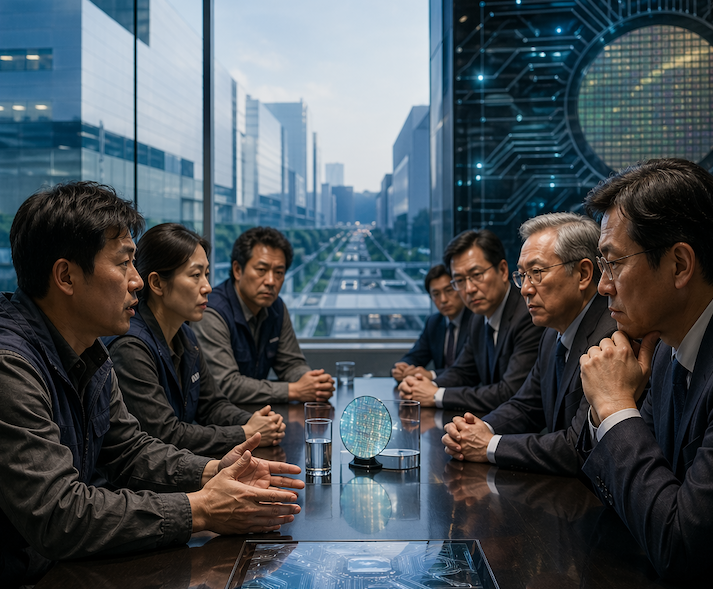
Tens of thousands of Samsung workers rallied at its South Korean chip factory on 23 April. They want 15% of operating profits. With a 21 May strike deadline, the AI boom’s biggest beneficiaries are fighting over who gets what.
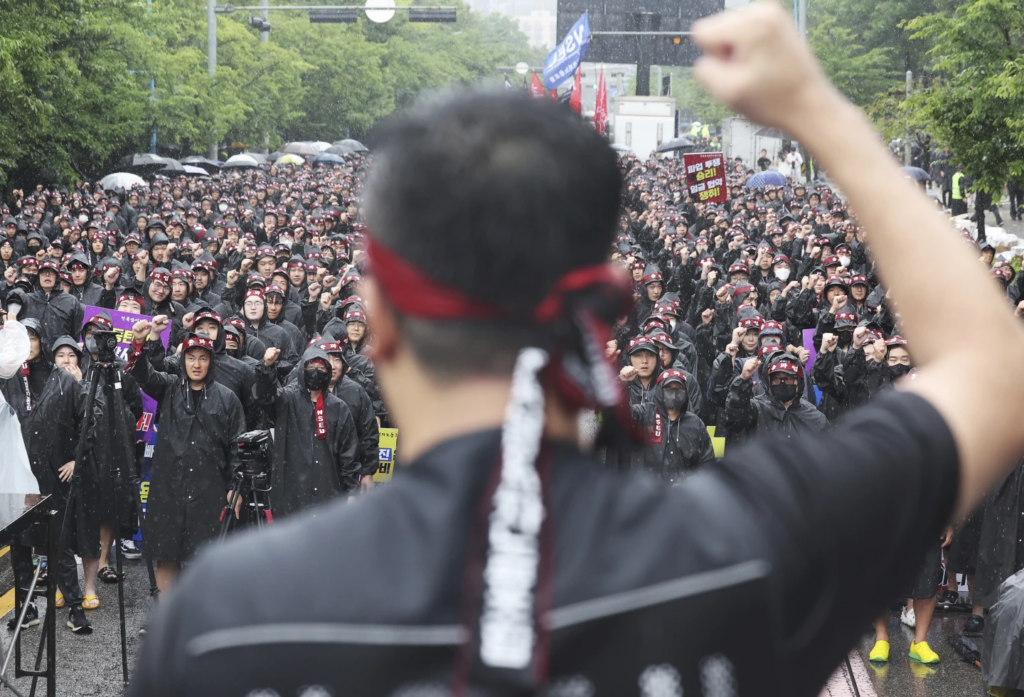
The AI boom is generating extraordinary profits for the world’s largest memory chipmakers. Furthermore, the workers making those chips want a share. On 23 April 2026, tens of thousands of Samsung Electronics employees gathered at the company’s vast semiconductor complex in Pyeongtaek, South Korea. Furthermore, union leaders estimate that approximately 40,000 members attended the rally. Police put the figure closer to 30,000. Either way, it was one of the largest labour protests in Samsung‘s history.
The workers carry signs reading “Remove the bonuses caps” and chant for transparent compensation. Furthermore, they are not simply demanding a pay rise. They are demanding 15% of operating profit for the chip division’s employees — a figure that could amount to more than 40 trillion South Korean won — approximately $27 billion (€24.9 billion). Consequently, if the demand were met in full, it would average out to more than $400,000 (€368,000) per chip-division worker. The company has not agreed. Talks have stalled. Furthermore, the union has set a 21 May 2026 deadline — threatening an 18-day strike that it estimates would cost Samsung more than 1 trillion won (€578 million) per day.
What’s Happening & Why It Matters
The Numbers Behind the Dispute
Samsung Electronics is one of the most profitable companies on earth right now. Furthermore, artificial intelligence is a primary reason why. The company projected earlier this month that its Q1 2026 operating profit would reach a record 57.2 trillion won (€33 billion) — the strongest quarterly performance in South Korean corporate history. Furthermore, analysts at KB Securities project that full-year 2026 operating profit could reach 327 trillion won — potentially positioning Samsung as one of the most profitable companies in the world.
Additionally, the timing of Thursday’s protest was deliberate and pointed. The rally took place on the same day that Samsung‘s main rival, SK Hynix, reported record quarterly results. SK Hynix posted record revenue and operating profit for Q1 2026 — attributing the jump to expanding global investment in AI data centres and infrastructure that drove soaring demand for memory chips. Furthermore, the two companies together produce approximately two-thirds of all memory chips sold globally. Consequently, when AI spending accelerates, both companies benefit directly — and so does the question of how those benefits are distributed.
What Workers Are Demanding — and Why Samsung Rejected It
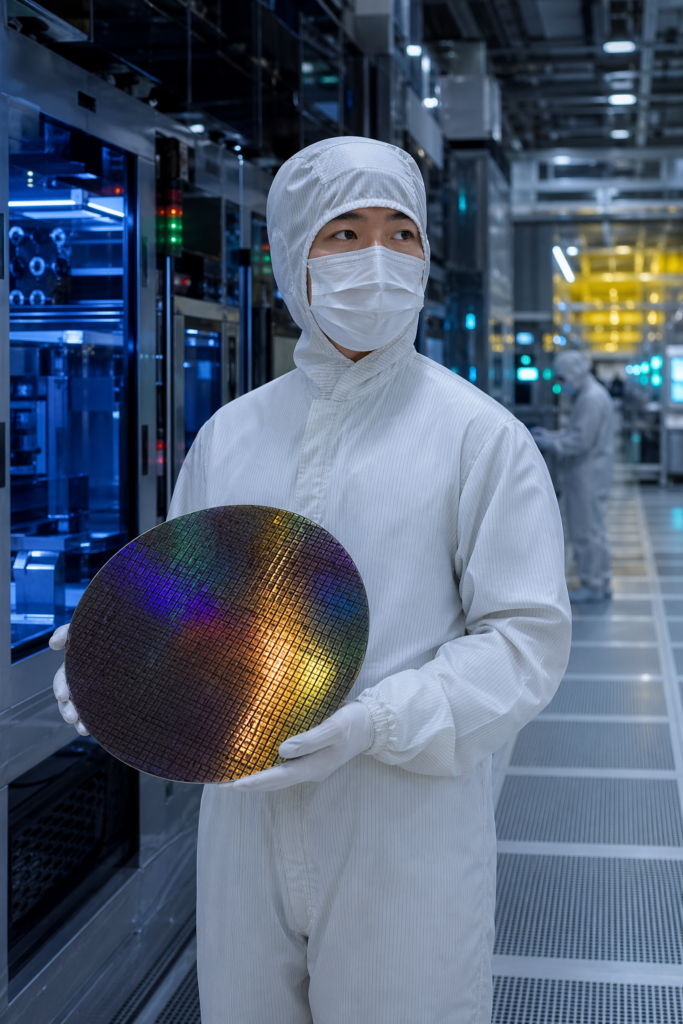
The union representing Samsung workers has three core demands. Furthermore, all three reflect frustration that compensation has not kept pace with the company’s AI-driven profit surge. The union wants 15% of the operating profit distributed to chip-division employees as a performance bonus. Additionally, it demands the removal of the existing 50% bonus cap — which currently limits performance bonuses to no more than half of an employee’s base salary. Furthermore, the union is calling for a 7% increase in base pay.
Samsung‘s management responded with a counteroffer. The company offered 10% of operating profit for performance pay, a 6.2% wage increase, and additional benefits, including preferential mortgage loans. Furthermore, management proposed to offer compensation to chip-division workers that exceeds what competitors pay. The union rejected this counteroffer. Consequently, negotiations stalled after three months of talks. Furthermore, Samsung is now fighting the union both at the negotiating table and in court.
The union points directly to SK Hynix as a precedent. Furthermore, the rival chipmaker has allocated 10% of its annual operating profit for performance bonuses and removed the maximum bonus limit for its 35,000 workers. SK Hynix is reportedly expected to pay employees average bonuses of approximately $400,000 (€368,000) early next year. Consequently, chip workers at Samsung can observe directly what a more generous profit-sharing model looks like — and they are demanding the same standard.
The Strike Threat: 21 May Looming
Union leader Choi Seung-ho delivered the union’s position from an elevated crane structure at the Pyeongtaek rally. “We won’t stop this fight until our fair demands are met,” he told workers through a loudspeaker. Furthermore, the union has made its threat specific and timed. If negotiations with management fail, workers will begin an 18-day walkout on 21 May 2026. Furthermore, the union estimates the strike would cost Samsung more than 1 trillion won (€578 million) per day in lost production. TradingKey analysts put the total potential strike cost at approximately $20.3 billion (€18.7 billion) across the 18 days.
This is not Samsung‘s first experience with labour action. Furthermore, workers staged the company’s first strike in over 50 years in 2025 — though it lasted only three days and achieved limited results. Consequently, union leaders are escalating significantly. Additionally, union membership at Samsung has reportedly tripled since the 2024 walkouts, with more than 74,000 workers now represented — accounting for approximately 70% of the company’s South Korean workforce. Furthermore, Samsung issued a brief statement in response to Thursday’s rally. “Samsung will continue to make efforts to reach a swift agreement in wage negotiations,” a company spokesperson said. Consequently, the two sides remain far apart.
Why the Memory Chip Market Makes This Fight Urgent
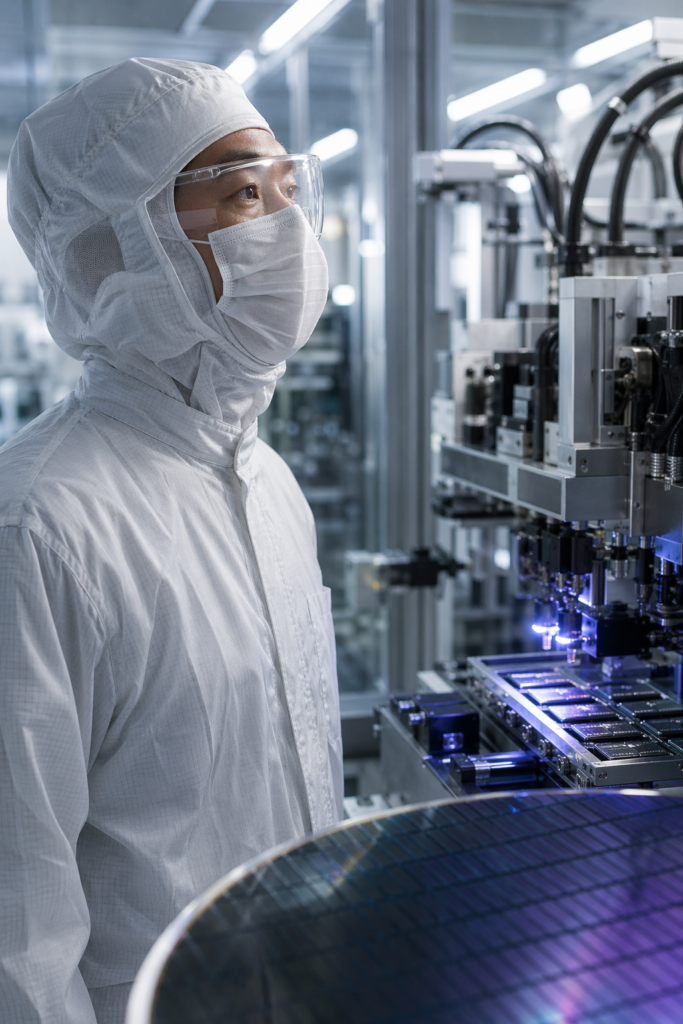
The semiconductor industry is at a historic inflexion point. Furthermore, AI infrastructure spending has fundamentally changed the economics of memory chip production. Data centres running large AI models require enormous amounts of High Bandwidth Memory (HBM) and other advanced DRAM. Global semiconductor market sales are expected to reach $975 billion (€898 billion) in 2026 — driven largely by AI. Furthermore, memory chip demand is the primary engine of that growth.
Samsung and SK Hynix are the dominant global suppliers of this memory. Consequently, AI infrastructure investment flows directly into their revenue lines. Furthermore, every dollar that Nvidia, Microsoft, Google, or Amazon spends on data centre memory ultimately generates operating profit at these companies. Additionally, the workers assembling these chips operate in highly controlled, technically demanding environments. Furthermore, they are aware that their labour directly enables the AI boom — and they are asking why corporate shareholders benefit disproportionately.
The Geopolitical Complication: Iran War and Supply Chain Risk
The labour dispute is not the only risk clouding Samsung‘s outlook. Furthermore, the ongoing Iran war has disrupted supplies of helium — a critical material in chipmaking — and pushed up energy costs across the region. Additionally, bromine, another key semiconductor manufacturing material, faces similar supply pressures. Consequently, Samsung is managing supply chain exposure across multiple fronts.
SK Hynix CFO Woo Hyun Kim addressed this directly on Thursday’s earnings call. “The company is closely monitoring the conflict but does not expect a meaningful impact on production,” he said. Furthermore, he confirmed that SK Hynix has been diversifying its helium and bromine sourcing beyond the Middle East and maintains sufficient inventory. Samsung has not yet provided equivalent detail on its materials exposure. Consequently, a potential 18-day strike layered on top of existing supply chain uncertainty could significantly amplify disruption.
The Question: Who Profits From AI?
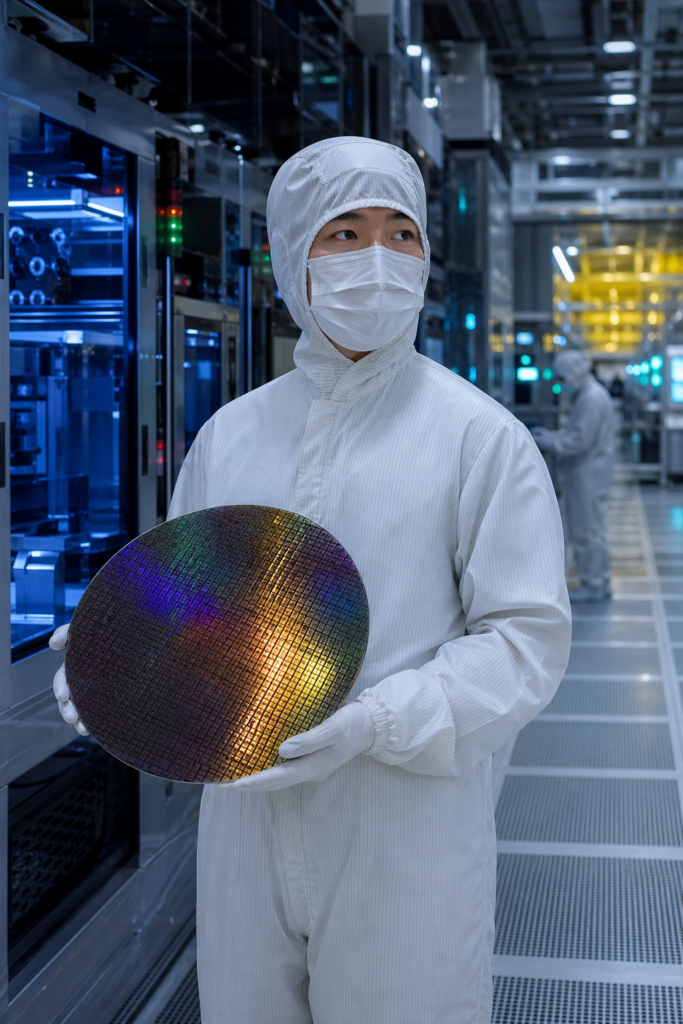
This dispute at Samsung reflects a wider tension emerging across the technology industry. Furthermore, it is not unique to semiconductor manufacturing. AI is generating extraordinary value for technology companies and their shareholders. Additionally, the workers who build, operate, and maintain the physical infrastructure enabling AI are raising a fundamental question: what share of that value should flow back to them?
Samsung‘s workers are not the first to raise it. Furthermore, they will not be the last. The AI boom’s productivity gains are visible in quarterly earnings reports. However, wage growth and profit-sharing structures have not automatically kept pace. Consequently, the Pyeongtaek rally represents something larger than a bonus dispute. It is an early and visible example of how the AI era’s economic gains are being contested — factory floor by factory floor, union negotiation by union negotiation.
TF Summary: What’s Next
Samsung and its union face a hard deadline. Furthermore, if three months of negotiations have failed to produce an agreement, the likelihood of resolution before 21 May depends on significant movement from one or both sides. The union’s 15% demand and management’s 10% counteroffer are not trivially close. Additionally, the removal of the 50% bonus cap — a structural change rather than a one-time payment — represents a longer-term commitment that management may resist regardless of this year’s profits. Consequently, the industrial action threat is real.
MY FORECAST: Furthermore, a prolonged strike at Samsung‘s Pyeongtaek facility would affect global supply chains for AI memory chips. Additionally, SK Hynix would benefit directly from any production disruption at its primary competitor. Moreover, the geopolitical backdrop of Middle East instability adds uncertainty to an already complex picture. Consequently, the outcome of these negotiations carries consequences well beyond South Korea — reaching into every data centre, AI laboratory, and smartphone factory that depends on Samsung‘s memory chips to function.