


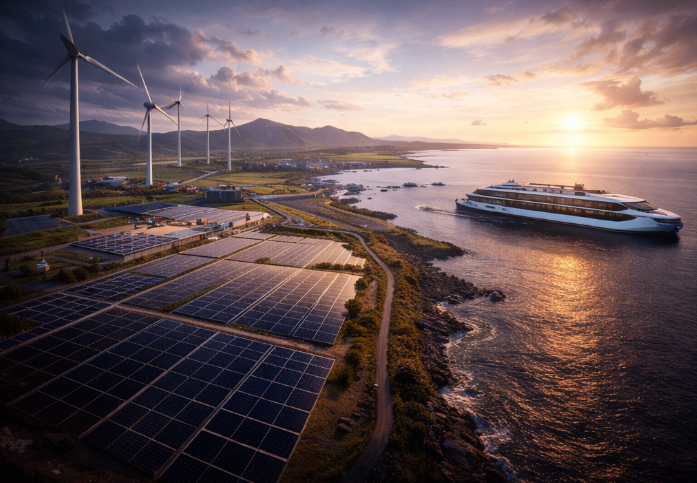
From Oceans to Off-Roads, the Fuel Monopoly is Cracking
The global transportation sector recently passed a massive crossroads in its search for a cleaner future. German shipbuilder Meyer Werft just unveiled a radical concept for a fully battery-electric cruise ship. Meanwhile, Changan Automobile’s sub-brand, Deepal, successfully commercialized its first-generation hydrogen fuel cell system in a mass-produced sedan. On the American front, the ambitious startup Slate Auto secured 650 million (€598 million) in fresh funding to bring an affordable electric pickup to market. The breakthroughs proved that the era of relying on a single fuel source is over.
The developments establish a shift in how engineers think about scale and efficiency. Previously, experts doubted that massive vessels could operate on battery power alone. They questioned whether hydrogen would ever reach the average consumer’s driveway. However, the latest data showed that sodium-ion batteries and advanced fuel cells are viable alternatives. The race for energy independence moved from the laboratory to the factory floor. Every major player is betting on a diversified portfolio of power.
What’s Happening & Why This Matters
Electrifying the High Seas
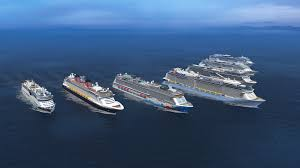
Meyer Werft recently introduced “Project Vision,” a concept for an 82,000 gross-ton cruise ship powered entirely by batteries. The vessel aims to carry 1,856 passengers while reducing greenhouse gas emissions by up to 95%. This design removes the need for traditional exhaust funnels, which usually take up massive amounts of interior space. Instead, the ship features panoramic glass areas and an indoor water park. This shift in architecture creates a more comfortable guest experience with lower noise and vibration.
The impact on maritime decarbonization is significant. Most modern cruise ships consume about 200 tons of fuel daily. Switching to a battery-electric model would enable access to ports subject to strict environmental regulations. The ship is intended for European itineraries, with charging infrastructure expected to be ready by 2030. While charging such a gargantuan battery requires massive power, the design allows for “overnighting” in ports to facilitate slow charging. This concept proves that even the heaviest industries can embrace a zero-emission future.
Hydrogen Hits the Mass Market
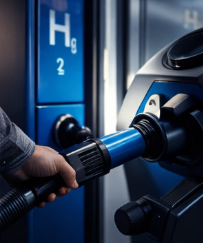
In China, Deepal is leading the charge for passenger hydrogen vehicles with its SL03 sedan. This vehicle offers a range of over 700 km (435 miles) and refuels in just 3 minutes. This speed provides a major advantage over traditional battery electric vehicles (BEVs) for long-distance travel. While current costs are high at nearly $100,000 (€92,000), the company is developing a second-generation system. This next-gen tech targets a 10% performance boost and drastic cost reductions by 2027.
Deepal’s strategy views hydrogen as a “parallel pathway” rather than a replacement for batteries. China’s hydrogen fleet recently reached roughly 30,000 vehicles, with 70% of components built locally. This move toward domestic self-sufficiency is critical for lowering prices. By focusing on the fuel cell stack and storage systems, Deepal aims for a mass-market hydrogen car. It offers a viable solution for users who cannot wait hours for a battery to charge.
The 25,000 Electric Pickup Dream
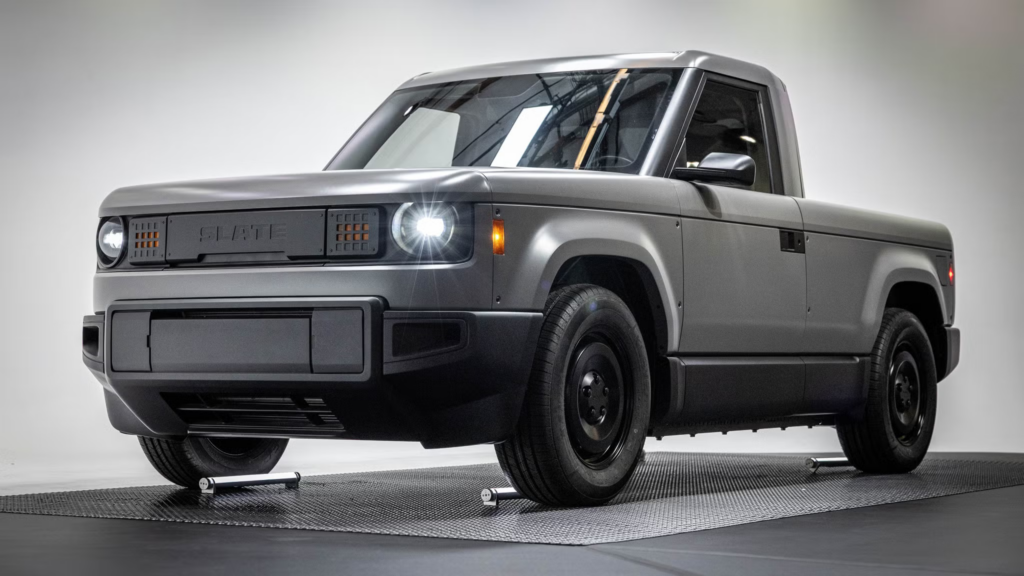
Slate Auto recently closed a Series C funding round led by TWG Global, bringing its total raised to $1.4 billion (€1.3 billion). The startup plans to produce an electric pickup truck priced in the mid-$20,000s (€18,500s). They are renovating a former printing plant in Warsaw, Indiana, to support this mission. The truck features a minimalist design with a range of 150 or 240 miles (241 or 386 km). This “stripped-back” approach allows buyers to customize their vehicles after delivery.
This project could revolutionize EV affordability in the United States. No major carmaker currently offers an electric vehicle under $25,000 (€23,000). Slate Auto avoids the high costs of new factories by reusing existing industrial sites. They have already collected over 160,000 refundable reservations for the truck. If successful, this model could prove that sustainable transport need not be a luxury product. It targets young families and budget-conscious buyers who were previously priced out of the market.
Next-Gen Battery Breakthroughs
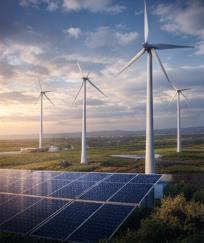
While lithium-ion batteries are the standard, sodium-ion batteries are finally entering mass production. The cells use abundant salt rather than scarce lithium, lowering costs and improving safety. Researchers also made strides in solid-state batteries, which promise 1,000 km (621 miles) of range. The batteries use a solid electrolyte instead of flammable liquids, dramatically reducing fire risks. This innovation is crucial for high-performance applications like electric aircraft and long-haul trucks.
The emergence of these technologies provides a stable, low-cost alternative for the mass market. Sodium-ion cells perform better in extreme temperatures, retaining capacity where lithium often fails. This versatility is essential for global adoption across diverse climates. As the batteries move from the lab to real products, they will stabilize the global supply chain. “Sodium-ion may be the answer to the future of sustainable energy storage,” noted one US research fellow. This shift ensures that the electric revolution is inclusive and resilient.
TF Summary: What’s Next
The transportation industry is currently moving toward a diversified energy ecosystem. We expect to see the first Project Vision cruise ship delivered by 2031, provided orders are placed this year. On the roads, Deepal will launch its more affordable second-generation hydrogen vehicle in 2027. Meanwhile, Slate Auto is on track to deliver its first affordable electric pickups in late 2026. The timelines show that the “next-gen” era is arriving faster than many anticipated.
Developers will continue to focus on reducing the cost of hydrogen storage and improving battery energy density. We will likely see a surge in “hybrid” energy infrastructures that can support both fast hydrogen refueling and high-voltage electric charging. The goal is to create a seamless transition for consumers and industrial operators alike. As the technologies mature, the reliance on fossil fuels will continue to dwindle across every sector of global transport.
MY FORECAST: I predict that by 2030, the concept of a “petrol station” will be obsolete in major urban centers. You will see a fragmented market, with sodium-ion batteries powering cheap city cars and hydrogen fuel cells dominating long-haul logistics. The maritime industry will split between battery-electric ships for short coastal hops and nuclear-hydrogen hybrids for transatlantic crossings. Competition between the energy sources will drive prices down, making carbon-neutral travel the cheapest option for the first time in history.
— Text-to-Speech (TTS) provided by gspeech | TechFyle