


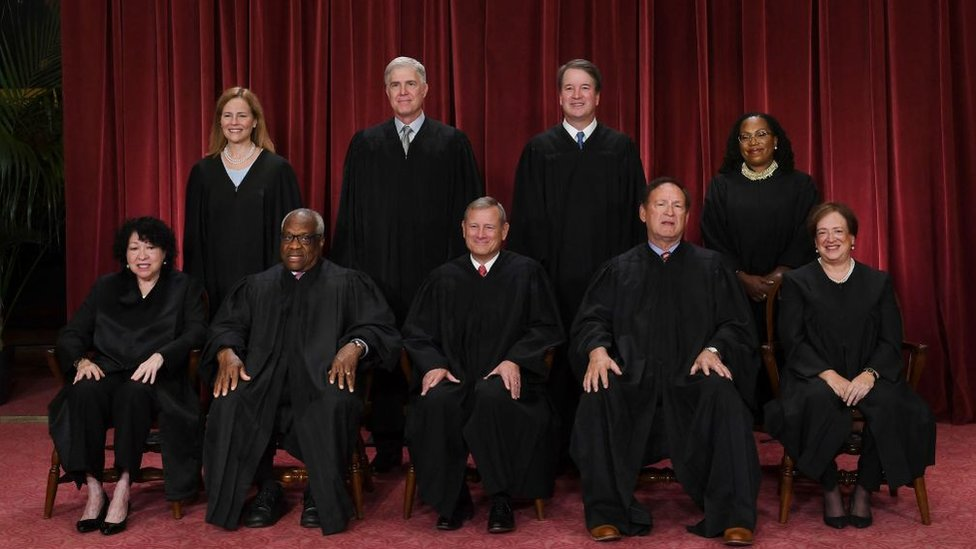
The vote was 6-3. Justice Kagan wrote the majority. The case started with a 2019 Virginia bank robbery and ended with the Supreme Court ruling that geofence searches are Fourth Amendment searches. Police must now justify the warrants they get — not just have them signed. Every American whose phone was ever swept is affected.
The Supreme Court finalised its position on geofence warrants — and it is one of the most significant digital privacy decisions the court has issued in years. The court voted 6-3 to find that collection of location data through a geofence warrant implicates the Fourth Amendment’s protections against unreasonable searches and seizures. Justice Elena Kagan wrote the majority opinion. The ruling sends the case — Chatrie v. United States — back to the Fourth Circuit Court of Appeals to determine whether the specific search was constitutionally “reasonable.” The Supreme Court rejected the Trump administration‘s core argument: that no warrant is required at all when police request location data from a tech company. The court accepted that warrants may sometimes justify geofence searches. By contrast, it confirmed unambiguously that those warrants constitute searches under the Constitution — and that law enforcement cannot ask for them without satisfying Fourth Amendment requirements.
What’s Happening & Why It Matters
What a Geofence Warrant Is — and Why People Care
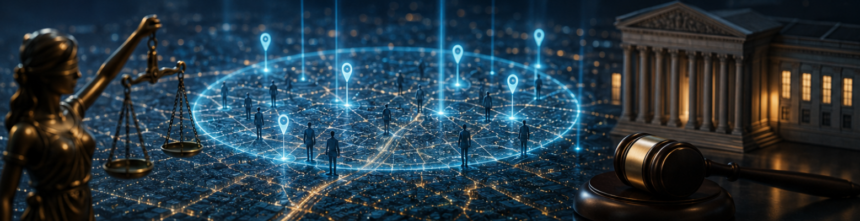
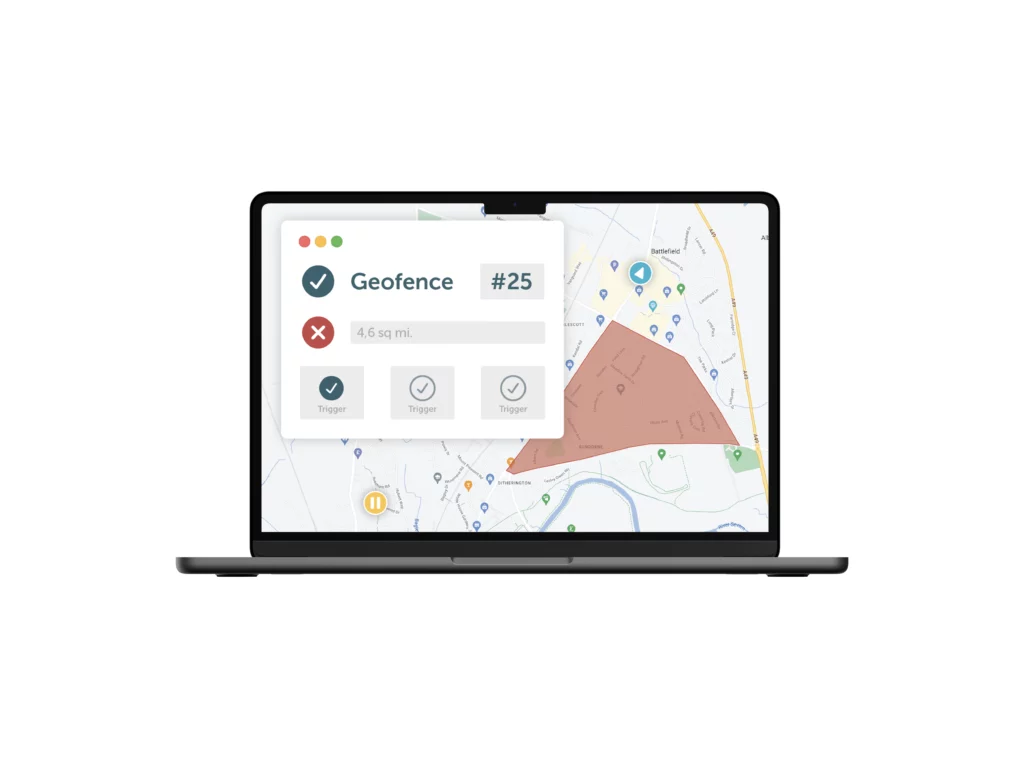
The Supreme Court’s geofence warrant ruling addresses a specific law enforcement technique that became widely used over the past decade. A geofence warrant draws a virtual fence around a crime scene. Law enforcement then demands that a tech company — typically Google or Apple — search its database and identify every user whose device was inside that fence at the time of the crime. The company returns data on all matching accounts. Police sift through them to identify suspects.
The technique was novel because it inverts normal Fourth Amendment logic. Traditional warrants identify a suspect first and then seek evidence against them. Geofence warrants search an entire population of bystanders — everyone who happened to be in the wrong place — and work backwards to find a suspect. As the defendant’s attorneys put it in court filings, geofence searches allow the government to “search first and develop suspicions later.”
The Virginia bank robbery case illustrates the scope. Google initially returned data on 19 users who were near or in the bank during the robbery. Police worked through multiple rounds of requests to narrow to three people, then to one — Okello Chatrie — whose location data placed him at the scene. Chatrie pleaded guilty and was sentenced to nearly 12 years in prison, but reserved the right to challenge the warrant’s constitutionality.
What Kagan’s Majority Opinion Says
The Supreme Court’s geofence warrant ruling‘s legal holding is specific and should not be overstated. The court did not rule geofence warrants unconstitutional. It ruled they constitute a Fourth Amendment “search” — which means police must justify them under the Fourth Amendment’s reasonableness standard. Kagan wrote that an individual has “a reasonable expectation of privacy in records about his cell phone’s location, and police intrude on that constitutionally protected interest when they demand the information — even though for only a limited time, and from a third-party tech company.” The “third-party doctrine” — the principle that information voluntarily shared with a company has no constitutional protection — does not apply here. By contrast, Kagan drew an analogy to the court’s 2018 Carpenter v. United States ruling, which extended Fourth Amendment protection to historical cell-site location records. Location data, the court confirmed again, resembles “other private materials such as emails, photographs or documents.”
The Dissent — Alito’s Concern About Legal Debris
The three dissenters — led by Justice Samuel Alito — did not defend geofence warrants. Alito criticised his colleagues for accepting the case and then declining to answer its central question: whether the specific search was valid. He called the case an “irresponsible escapade” that would “upend Fourth Amendment law without providing any certainty.” “Today’s decision all but guarantees that we will be cleaning up debris for the foreseeable future,” he wrote. That critique is technically accurate and practically limited. The majority chose to establish the constitutional principle — geofence searches are Fourth Amendment searches — and leave the case-by-case reasonableness question to lower courts. That approach is judicially modest. It means years of litigation in every circuit before clear rules emerge.
What Happens to Chatrie — and to Every Pending Geofence Case
The Supreme Court’s geofence warrant ruling immediately affects Chatrie’s case. The Fourth Circuit must apply Fourth Amendment reasonableness analysis to the specific warrant used in 2019. Chatrie’s lawyers will argue the warrant was too vague — capturing 19 people’s data without individualised suspicion — and therefore the evidence should be suppressed. Additionally, every pending criminal case in which geofence warrant evidence was used carries a potential challenge. Privacy rights advocates have warned for years that geofence warrants targeted disfavoured political groups — protesters, demonstrators, people present at politically charged events. The FBI used geofence warrants to identify 6 January 2021 participants. All of those cases carry new Fourth Amendment exposure under today’s ruling.
Google has since changed its own policies, storing location data on users’ devices rather than centralised databases. By contrast, Apple, Lyft, Snapchat, and Uber still retain location information and remain subject to geofence demands under the ruling’s new constitutional framework.
TF Summary: What’s Next
Chatrie v. United States returns to the Fourth Circuit Court of Appeals for a fresh reasonableness determination. The ACLU and Centre for Democracy and Technology called the ruling a significant privacy victory. The Justice Department will develop revised geofence warrant guidelines consistent with the ruling. Law enforcement agencies must articulate specific probable cause for geofence requests rather than issuing time-and-place data demands.
MY FORECAST: The Supreme Court’s geofence warrant ruling will initially produce confusion before it produces clarity. Lower courts across every circuit will apply Kagan’s reasonableness standard differently — and the Supreme Court will need to return to geofence warrant constitutionality within four to five years to resolve those circuit splits. By contrast, the ruling’s most immediate commercial effect is on tech companies. Apple, Uber, Lyft, and Snapchat must build Fourth Amendment compliance into their law enforcement response processes for location data — justifying each demand under a constitutional standard rather than simply complying with a signed warrant. The ruling does not forbid geofence warrants. It requires police to justify them. That distinction will drive criminal defence litigation for years — and will eventually produce a clearer standard than today’s ruling provides.
Related Stories
- Estonia Gives AI Agents Their Own Legal Identity Codes — a World First
- FortiBleed: Credential Leak Hits Oracle, Lenovo, NATO, and 74,000 Fortinet Firewalls
- OpenAI Subpoenaed by 42 States — and a UK Lab Is Scanning Children’s Brains to Find Out Why