


Two years of making it effortless to flood the internet with AI songs. Buried under lawsuits, Suno wants to label the flood it created. Rivals don’t watermark at all. Neither do the open models running on someone’s laptop.
Suno announced Thursday it will add audio watermarking and fingerprinting to every song generated on its platform, part of an initiative the AI music startup is calling “transparency tools.” Co-founder and CEO Mikey Shulman laid it out in a blog post: new download limits to curb mass distribution, revised community guidelines, and a labelling system that flags a Suno-made track wherever it turns up online. “Great music is made by people,” Shulman wrote. The watermarks, he added, are “durable and resistant to tampering.” Ars Technica’s take of the move cuts right to it: Suno is trying to go legit.
What’s Happening & Why It Matters
The Fraud Forced the Issue
One man pleaded guilty to using AI songs and streaming bots to pull in more than $8 million in fake royalties. That’s the specific abuse Suno’s download limits target. Generate a few thousand tracks, upload them to streaming platforms, then set bots loose to play them on repeat. Suno made the generating part effortless. It wants to make the gaming part harder.

The company isn’t doing this in a vacuum. A hack this year exposed that Suno had scraped YouTube, Deezer, and Genius to train its models, leaking data on a reported 55 million users. A class action followed. Add a German court ruling against the company and a stack of copyright lawsuits from labels, and “ethical awakening” starts to appear more like damage control.
Watermarks Break. That’s a Problem.
Here’s the catch nobody at Suno is advertising: break the watermark’s signature, and every track made before the fix loses its label. It’s not a permanent seal. It’s a fingerprint that can be scrubbed, and once someone figures out how, the whole back catalogue is untraceable again.
Rival AI music generators don’t watermark at all. Open models running on someone’s own machine don’t either, and never will unless a developer chooses to build it in. Suno controls its own platform. It doesn’t control the dozens of unlabeled alternatives already out there, which means the watermark solves Suno’s legal exposure without solving the industry’s actual traceability problem.
Timing With Europe’s New Rules
Suno’s move falls right as the EU’s AI labelling rules take effect, which TF covered in EU Makes AI Labels Mandatory for Realistic Synthetic Content. Disclosure is going from optional to required across the bloc. A watermarking system Suno can point to when regulators come asking isn’t just good PR. It’s compliance infrastructure, built ahead of the deadline rather than in response to it.
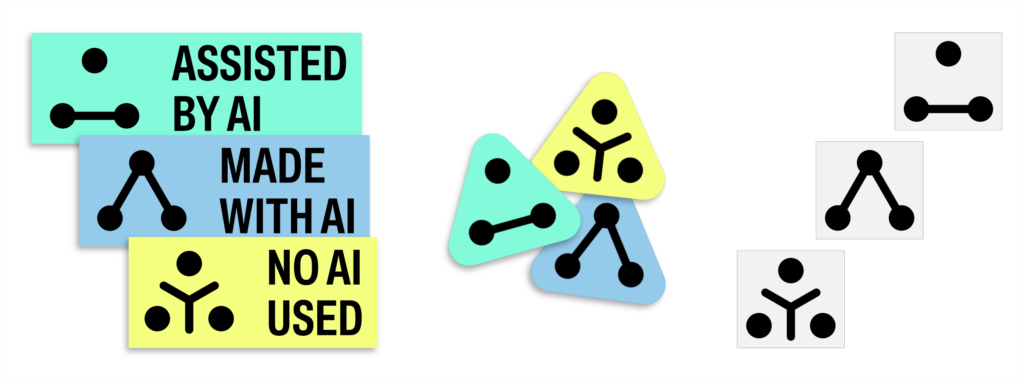
Shulman was careful to draw a line the company won’t cross, though: Suno’s system won’t judge “whether a song is good, meaningful, or sufficiently human.” Whether to label a track as AI-made stays the call of the artist or the platform hosting it, not Suno itself. That’s a deliberate hedge. Own the technical fingerprint, dodge the harder question of who decides what counts as “real” music.
TF Summary: What’s Next
Suno hasn’t specified how restrictive the new download limits will be or when either the watermarking or the limits go live. The company raised $400 million in June at a $5.4 billion valuation, giving it real capital to build the tech Shulman described only in broad strokes. The German ruling and the pending copyright lawsuits continue independent of the announcement.
MY FORECAST: The watermarking rollout buys Suno goodwill with regulators faster than it buys trust from the music industry, which has bigger complaints than fraud detection. Labels want compensation for training data, not a labelling system for the output. Expect the fraud-focused download limits to work well against the exact bot-royalty scheme that triggered the announcement. Expect the watermark itself to get broken within a year, and expect Suno to treat that as an acceptable cost of looking proactive. The real signal here isn’t the tech. It’s that an AI company facing lawsuits chose disclosure over defiance, and that choice is going to seem smart or naive depending on how the German case and the class action resolve.
Related Stories
- EU Makes AI Labels Mandatory for Realistic Synthetic Content
- Gemini AI Feature Pulled From Google Earth Within Days
- Anthropic’s $1.5 Billion Copyright Settlement With Authors