


Amazon Tests Its Robotaxi Ambitions In America’s Sun Belt
Autonomous cars spent years trapped in the demo stage. Engineers tested them in tidy urban grids, regulators argued about safety, and executives promised a driverless future that always seemed two product cycles away.
The race is back on the road. Amazon is deploying testing of its autonomous robotaxi division Zoox, in Phoenix and Dallas. The two cities offer very different driving environments from the earlier urban test zones. The expansion places Zoox in a widening competition with Waymo, Tesla, and other autonomous vehicle players racing to prove that driverless technology can function outside controlled pilot areas.
Zoox has already tested vehicles across major U.S. metro regions, including Atlanta, Austin, Las Vegas, Los Angeles, Miami, Seattle, Washington, D.C., and the San Francisco Bay Area. Adding Phoenix and Dallas brings the network count to ten cities.
What’s Happening & Why This Matters
Zoox Expands Testing to New Environments
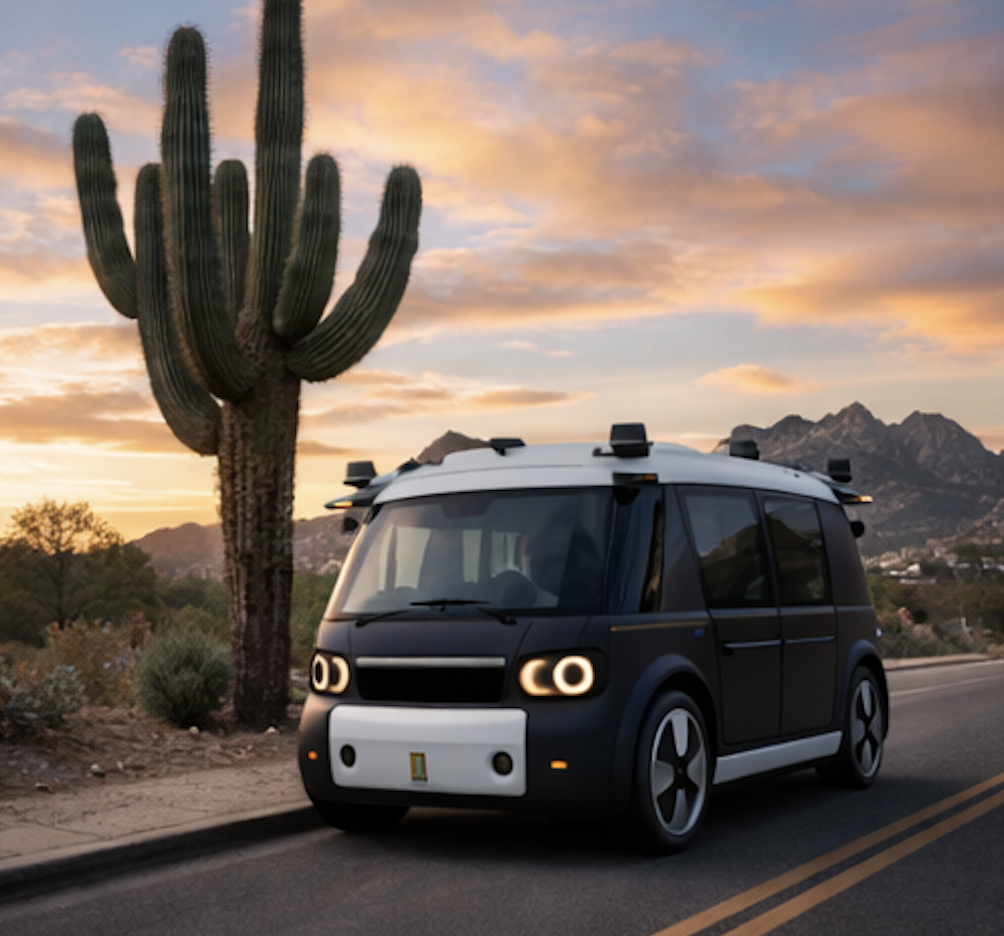
Zoox plans to test vehicles in both Phoenix and Dallas, though the company has not yet provided exact launch dates for the road trials.
The choice of cities is purposeful.
Phoenix provides an extreme environment for autonomous systems. The city’s desert climate pushes vehicle hardware through scorching temperatures, dust-heavy conditions, and long, high-speed highways. Those conditions challenge sensors, battery systems, and navigation algorithms.
Zoox says testing in Phoenix will allow engineers to analyze sensor and battery performance under extreme heat and dust, especially on high-speed roads common in Arizona.
Dallas offers a different type of stress test. The city features sprawling suburbs, complex road networks, and variable weather conditions. Zoox says this region will allow engineers to refine artificial intelligence systems against diverse weather patterns and complicated road layouts.
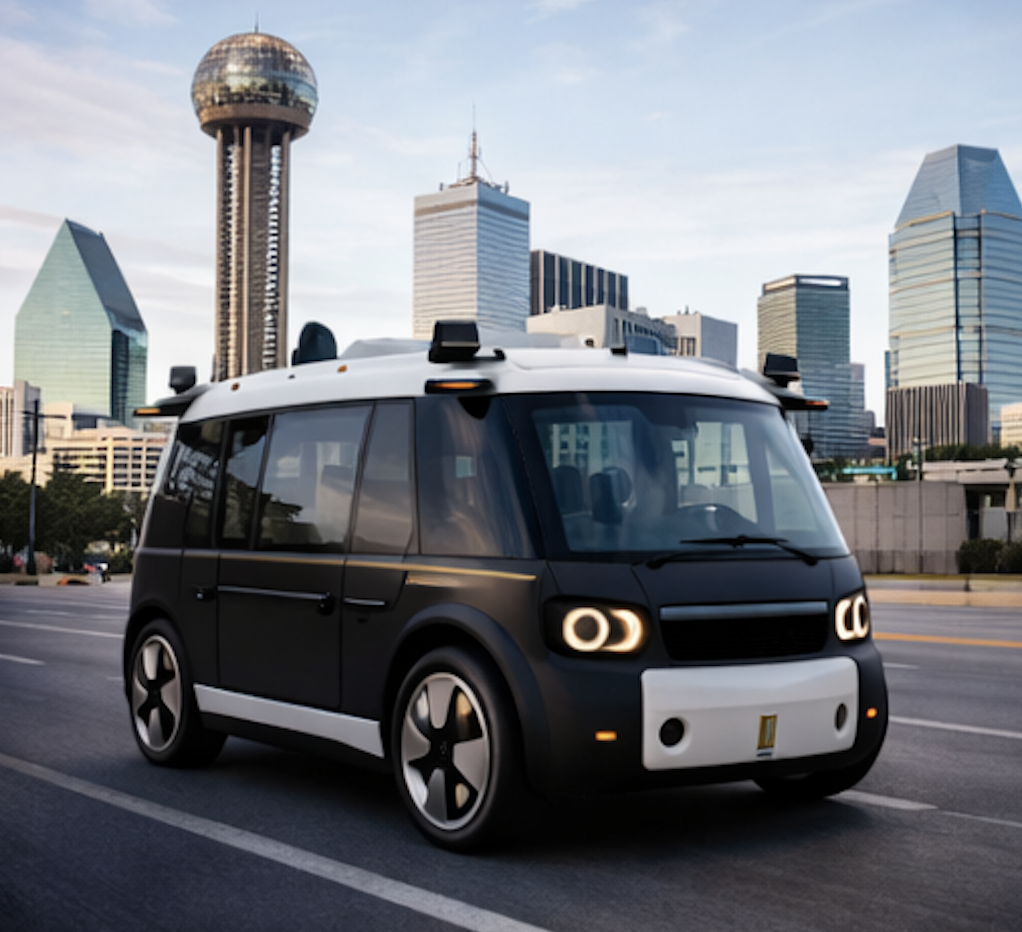
In other words, the company is deliberately exposing its systems to conditions that break things.
That approach reflects a hard truth about autonomous driving: vehicles that function in tidy downtown grids may struggle when confronted with heat waves, dust storms, construction zones, and suburban chaos.
The Vehicles Are Not Fully Driverless
Zoox will deploy retrofitted SUVs rather than its futuristic robotaxi design.
The vehicles still include conventional driving controls and focus initially on manual mapping operations. That means engineers and safety drivers will collect data on streets, intersections, traffic conventions, and environmental conditions before fully autonomous vehicles enter those areas.
The mapping stage is essential.
Autonomous driving systems rely heavily on detailed environmental data. Cameras, radar, lidar, and onboard AI combine real-time sensing with pre-mapped information to interpret the road. Without accurate mapping, the vehicle must rely entirely on live perception systems, which increases risk.
Zoox’s longer-term vision still centers on its purpose-built robotaxi, a box-shaped electric vehicle designed without steering wheels or pedals. But before that vehicle can operate widely, the company must build detailed digital maps of every operating zone.
Mapping first. Robotaxi later.
Phoenix Is a Strategic Hub for Zoox Operations
The company is not only testing vehicles in Phoenix. It is building infrastructure.
Zoox plans to open vehicle depots in Phoenix and Dallas to support testing fleets and operational logistics. The facilities will house maintenance operations, fleet support systems, and engineering teams responsible for monitoring performance.
Phoenix will host a new command hub in Scottsdale, Arizona.
The command hub will function as a central operations center, providing remote vehicle guidance, system monitoring, and rider support. It is the third such hub in Zoox’s network.
The hubs perform as the human nervous system behind autonomous fleets. Even when vehicles operate without drivers, engineers monitor operations remotely. Support teams intervene when unusual situations arise. Customer support staff assist passengers when the vehicles eventually transition to public rides.
Autonomous vehicles may drive themselves, but human infrastructure still surrounds them.
The Robotaxi Race Is Intensifying
Zoox’s expansion takes place in a crowded, competitive market.
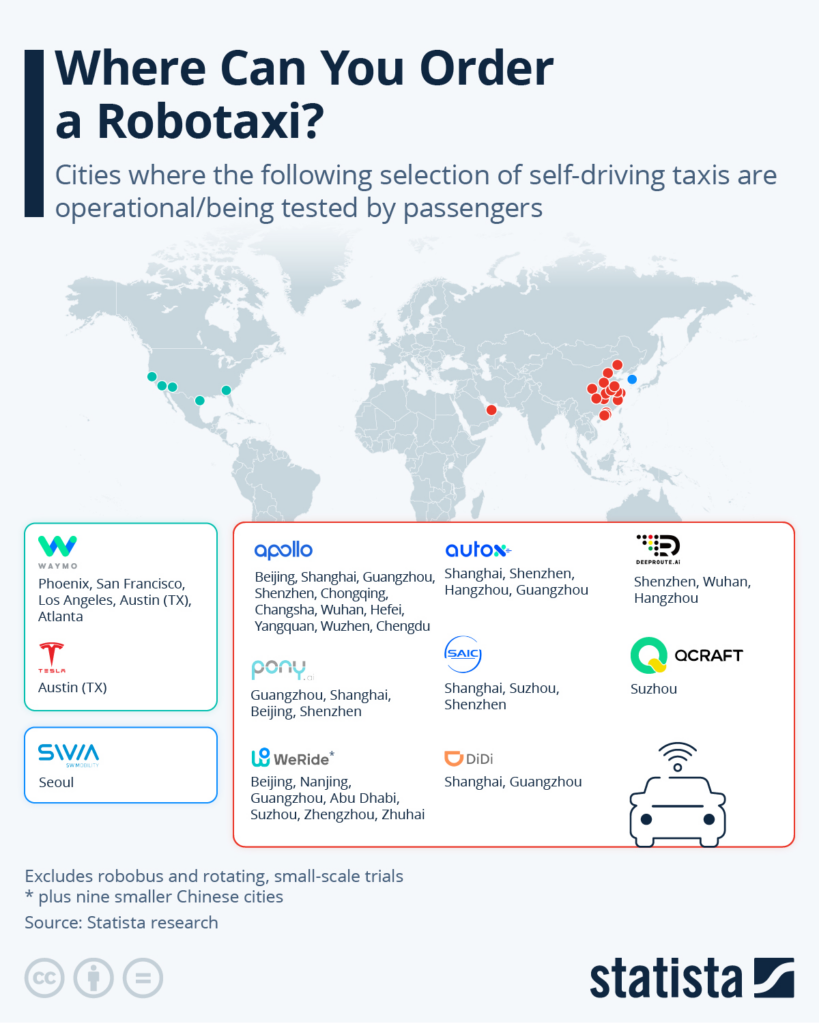
Alphabet’s Waymo already operates commercial robotaxi services in several U.S. cities. Tesla continues to test autonomous systems under its Full Self-Driving program. Multiple startups and research programs are developing autonomous vehicle technology.
Austin is one of the central testing battlegrounds for these companies. Waymo offers a comprehensive robotaxi service there, and Tesla frequently tests vehicles in the region as well.
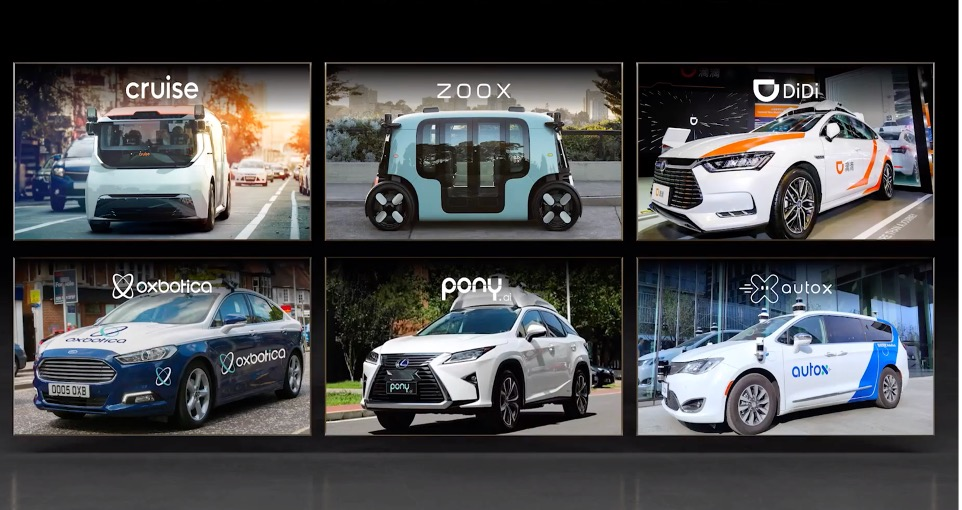
This cluster of testing activity reveals something important about the industry’s direction.
Robotaxi development has entered a regional competition phase. Companies are racing to establish operational footprints in multiple cities before regulators and customers lock in early preferences.
The companies that prove reliability first gain two advantages: regulatory trust and public familiarity.
Autonomous Vehicles Still Face Real-World Obstacles
Even as testing expands, the technology is imperfect.
Real-world incidents continue to remind engineers that autonomous systems must handle rare and chaotic scenarios. In one example, footage posted online earlier this year showed a Waymo autonomous vehicle blocking an ambulance responding to a mass shooting. The vehicle appeared uncertain about how to respond, briefly delaying emergency responders.
Events like this highlight the central challenge of autonomous driving.
Human drivers rely on intuition, context, and improvisation when unusual situations occur. Autonomous systems rely on programmed behavior and machine-learning models. When a scenario falls outside expected patterns, the system must decide what to do without the emotional instincts that guide human reactions.
That does not mean autonomous driving will fail. It means engineers must train systems against millions of edge cases. Every new city creates new edge cases.
Amazon’s Long-Term Vision, Beyond Robotaxis
Amazon’s interest in autonomous vehicles extends beyond the novelty of transportation.
Robotaxi fleets could eventually connect to Amazon’s logistics network. Autonomous vehicles could move goods, transport workers, and integrate into urban mobility systems that reduce reliance on private cars.
The company acquired Zoox in 2020 for roughly $1.2 billion, signaling its belief that autonomy could reshape transportation and logistics.
Amazon’s strategy often follows a familiar pattern. First, build infrastructure. Second, scale quietly. Third, integrate the new system into an ecosystem.
Robotaxis may eventually connect with Amazon’s delivery networks, smart city infrastructure, and cloud-powered AI systems through Amazon Web Services.
That possibility explains why Amazon continues investing in a technology that has taken longer than expected to mature.
Cities Are AI Mobility Laboratories
Phoenix and Dallas illustrate another trend in autonomous vehicle development: cities are becoming technology laboratories.
Autonomous vehicles collect massive datasets on roads, weather, traffic conduct, and pedestrian movement. Each city provides unique variables that train AI models.
Phoenix offers heat, desert dust, and wide highways. Dallas offers dense suburbs, complex road networks, and mixed weather. San Francisco offers steep hills and dense traffic.
Each environment strengthens the machine learning models that control the vehicles. In essence, every test drive is a training run for future mobility systems.
TF Summary: What’s Next
Amazon’s Zoox is expanding robotaxi testing into Phoenix and Dallas as it goes deeper into the autonomous vehicle race. The company plans to use retrofitted SUVs to map roads and gather data before deploying fully driverless vehicles. Phoenix will stress-test sensors and batteries in extreme desert heat, while Dallas will challenge AI systems with complex roads and variable weather.
MY FORECAST: Robotaxi development will accelerate over the next five years as companies expand testing across multiple cities. Waymo currently leads commercial deployment, but Amazon’s deep infrastructure investments suggest Zoox is playing a long strategic game. Expect more command hubs, more city partnerships, and gradual expansion of public ride services. The company that proves consistent reliability across diverse environments will define the next era of urban transportation.
— Text-to-Speech (TTS) provided by gspeech | TechFyle