


What If Big Tech Had To Power Itself?
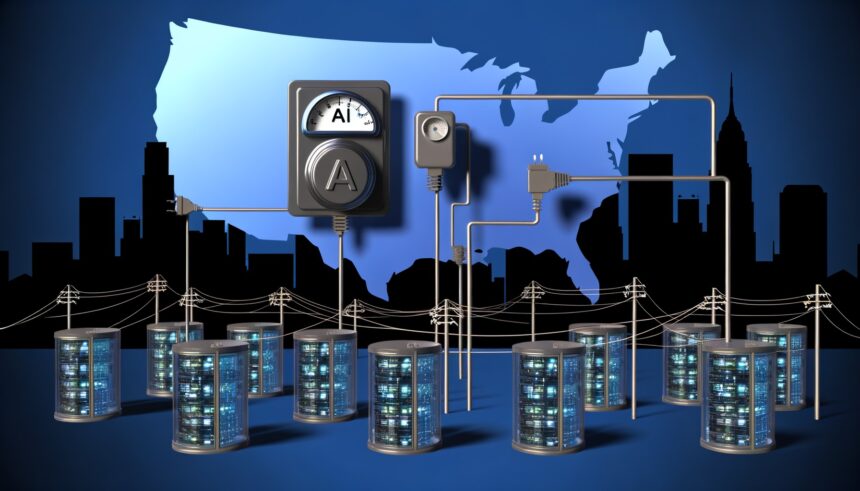
President Donald Trump tells America’s largest technology firms to solve their energy hunger themselves. Data centers swallow electricity at a pace that makes small countries blush, and households worry that their monthly bills will foot the bill. In his sweeping State of the Union address, Trump announced a “ratepayer protection pledge,” driving AI companies to generate their own power rather than lean on an aging grid.
The idea sounds simple. If tech giants build their own electricity supply, families avoid higher utility costs. Reality, as usual, looks more tangled. Power plants do not grow quietly in a corner like mushrooms. They roar, smoke, radiate heat, and reshape local economies. The proposal shifts the burden from ratepayers to landscapes.
Fossil Flames Or Atomic Dreams?
Trump frames the policy as protection for everyday Americans. “We’re telling the major tech companies they have the obligation to provide for their own power needs,” he declares during the speech.

Several companies already move in that direction. Microsoft funds new generation projects and even revives nuclear capacity near Three Mile Island. OpenAI commits to paying its own energy costs for massive data infrastructure. Anthropic promises to cover grid upgrades and bring the new generation online. Google signs deals for dedicated renewable power. Meta states its data centers pay their full energy costs.
These moves reveal an uncomfortable truth. AI does not run on clever code alone. It runs on turbines, uranium, lithium, methane, water, land, and politics.
The administration’s preferred “dispatchable” energy sources lean heavily toward fossil fuels. Methane gas leads the list, followed by coal. Nuclear and geothermal appear as cleaner options but require time, capital, and public trust. Renewable sources receive less enthusiasm from policymakers, even as companies quietly sign wind and solar deals.
Communities near off-grid plants already raise alarms. Gas-powered facilities emit pollutants. Noise carries. Heat islands form. Water consumption climbs. Building a private grid may protect ratepayers while shifting environmental costs onto neighbors.
The Grid Is Old, But Not Helpless
Trump describes the U.S. electrical grid as outdated and incapable of meeting data-center demand. That assessment holds some truth. Transmission bottlenecks delay new projects. Regional grids struggle during heat waves. Electrification of transport and industry adds pressure.
Still, building isolated power islands introduces new risks. Stand-alone systems reduce redundancy. Maintenance failures hit harder. Fuel supply disruptions carry immediate consequences. Shared infrastructure spreads risk; private infrastructure concentrates it.
Energy economists also note a paradox. Large private plants can distort regional markets. Excess power dumped into grids during low-demand periods pushes prices down. Sudden outages push them up. The system is more volatile, not less.
Why AI Eats So Much Power
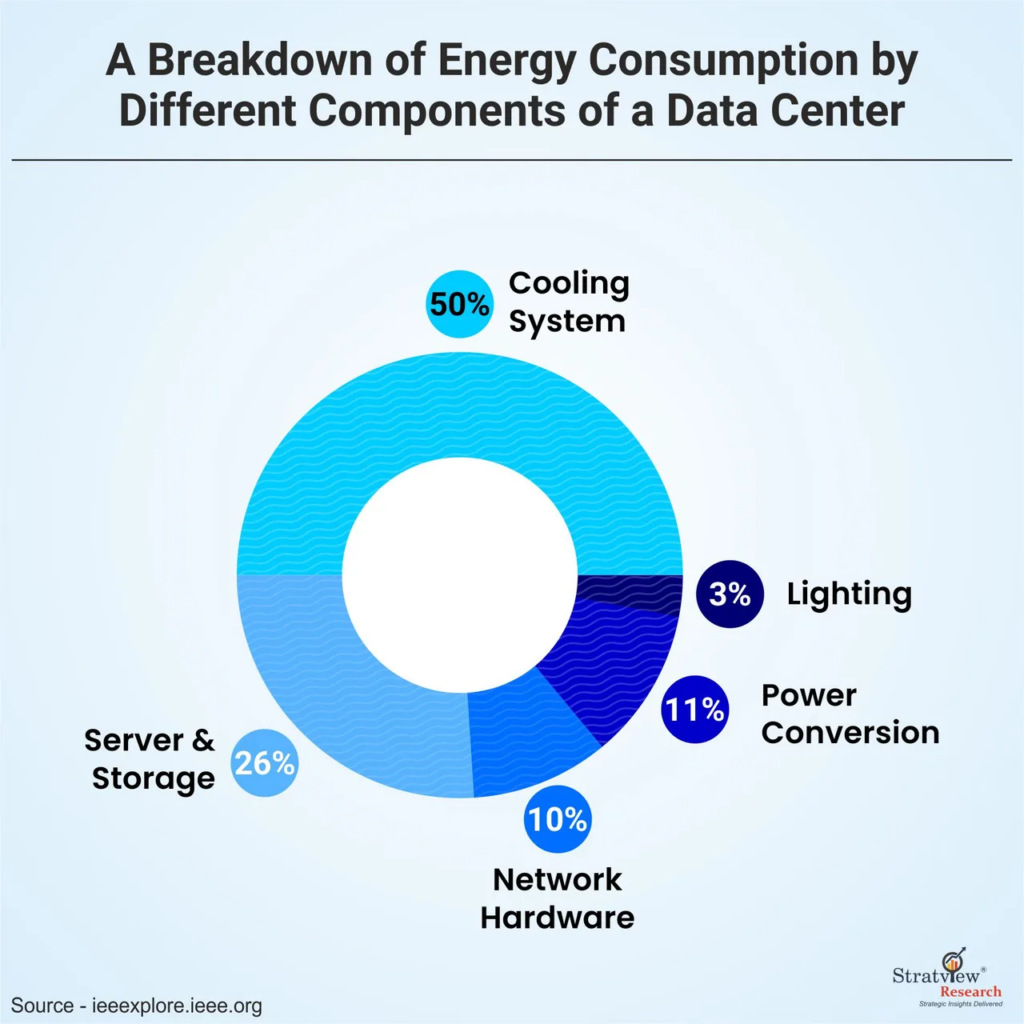
Artificial intelligence training resembles a marathon run by thousands of computers simultaneously. Each chip converts electricity into heat while performing trillions of calculations. Cooling systems consume nearly as much energy as the processors themselves. Storage, networking, redundancy, and security layers add further load.
One frontier AI model training cycle can use energy equivalent to tens of thousands of homes for weeks. Continuous inference services then operate around the clock. Unlike traditional data centers, AI facilities rarely sleep.
The physics are merciless. Information processing requires energy. Faster models demand more of it. Unless hardware efficiency leaps dramatically, power consumption scales with ambition.
The Politics Of Plugging In
The pledge also doubles as an industrial policy. Encouraging on-site generation speeds construction of nuclear reactors, gas plants, and battery systems tied directly to tech campuses. It shifts responsibility from utilities to corporations, which often move faster and tolerate higher risk.
Critics argue it lets the government avoid the harder task of modernizing national infrastructure. Upgrading transmission lines lacks glamour but delivers widespread benefits. Building private power for corporate campuses solves a narrow problem.
Supporters counter that AI development constitutes a strategic priority. If electricity constraints slow innovation, geopolitical competitors gain an advantage. In that lens, energy is a national security asset rather than a mere commodity.
Neighborhoods Downwind

Residents near proposed facilities voice concerns about pollution, noise, and land use. Some communities fear becoming energy sacrifice zones for digital services they barely use. Others welcome construction jobs and tax revenue. The divide often follows local economic conditions more than ideology.
Off-grid generation also sidesteps traditional regulatory frameworks designed for public utilities. Private plants may face looser oversight. Environmental reviews still apply, yet enforcement varies widely across jurisdictions.
Corporate Incentives And Image
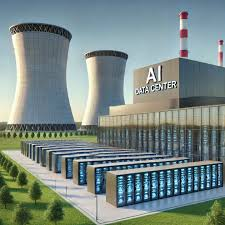
Tech companies prefer not to appear as villains, inflating household electricity bills. Funding their own generation protects public relations while ensuring a reliable supply. Data centers cannot tolerate brownouts. A brief outage risks millions in losses and damaged equipment.
Clean energy commitments also appeal to investors and customers. Even firms that build fossil-fuel backup plants often pair them with renewable purchases or carbon offsets. Corporate energy strategy functions as a botanical engineering decision and brand narrative.
TF Summary: What’s Next
Trump’s directive forces a confrontation between digital ambition and physical limits. AI growth collides with infrastructure realities. Whether companies build nuclear reactors, gas plants, geothermal systems, or massive battery farms, the landscape will change. The cloud always lands somewhere.
Expect hybrid solutions. Dedicated generation paired with grid upgrades. Cleaner technologies are competing with cheaper fossil options. Communities negotiating compensation for hosting infrastructure. Engineers are hunting for efficiency gains to reduce consumption.
MY FORECAST: The deeper lesson is more philosophical. Information age myths describe data as weightless and virtual. In truth, every byte rides on steel towers, copper cables, concrete, fuel, and physics. The future runs on electrons, and electrons demand payment.