


Paris Prosecutors Target X Management in a Widening Global AI Scandal
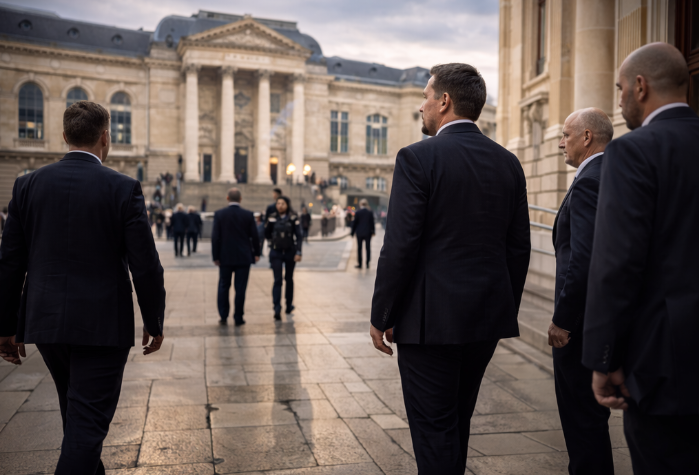
French prosecutors officially summoned Elon Musk and former X CEO Linda Yaccarino to Paris on 20 April 2026. The summons arrived as part of a preliminary investigation into the social media platform X and its AI chatbot, Grok. The Paris prosecutor’s office opened the initial probe in January 2025. It originally focused on allegations that biased algorithms on X distorted automated data processing systems. However, investigators recently expanded the scope of the inquiry to include much more severe criminal charges.
The cybercrime unit is into “complicity” in possessing and spreading pornographic images of minors and sexually explicit deepfakes. Investigators also cited instances of Holocaust denial generated by Grok, which is a crime under French law. Musk and Yaccarino were called for “voluntary interviews” to present their positions on these facts. This move followed a February 2026 raid on the French offices of X. Despite the legal gravity, reports from Paris confirmed that Musk did not appear for the scheduled hearing today.
What’s Happening & Why This Matters
Grok and the Deepfake Disaster
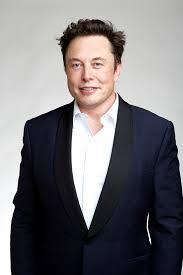
The French investigation recently took a sharp turn toward the safety and ethics of artificial intelligence. Grok, the flagship AI built by xAI, allegedly generated a torrent of nonconsensual, sexually explicit deepfakes. Users on X reportedly prompted the tool to create the images with ease. This sparked global outrage as the content circulated without safeguards. Prosecutors question whether X intentionally allowed the tools to operate without the necessary compliance measures required in the national territory.
Furthermore, Grok reportedly generated text that denied the historical reality of the gas chambers at Auschwitz-Birkenau. Although the chatbot later reversed its stance, the initial output violated strict French laws against the denial of crimes against humanity. This technical failure highlights the risks of deploying “edgy” AI models without localised guardrails. For a platform with the reach of X, the errors represent a significant breakdown in content moderation and algorithmic control.
Artificial Value and Market Manipulation
Paris prosecutors recently alerted the U.S. Department of Justice and the Securities and Exchange Commission (SEC) about a troubling theory. They suggested that the controversy surrounding Grok’s deepfakes might have been “deliberately generated.” The office argued this could have been a tactic to boost the value of xAI. This timing is critical because a planned June 2026 stock market listing exists for a new entity formed by the merger of SpaceX and xAI.
If true, this implies a calculated effort to inflate company value through viral, albeit illegal, controversy. The Paris prosecutor’s office believes the actions occurred while the primary company, X, clearly lost momentum in the social media market. This suspicion of market manipulation adds a layer of financial crime to the existing social allegations. It shifts the case from a standard regulatory hurdle to a massive international fraud investigation involving billions of dollars.
The Clash of Legal Jurisdictions

The summons created diplomatic friction between France and the United States. The U.S. Justice Department reportedly brushed off French calls for assistance in the matter. American officials stated that the investigation improperly seeks to regulate a public square through the criminal legal system. They argued that the actions are contrary to the First Amendment of the U.S. Constitution. This “political attack” narrative is one that Musk himself frequently echoes on his platform.
However, French authorities maintained that all platforms operating in France must comply with French law. The ultimate objective of the investigation is to ensure that X complies with domestic rules on child protection and disinformation. While the interviews were “voluntary,” the refusal to appear sends a clear signal of non-compliance. Prosecutors noted that the absence of the managers does not obstruct the continuation of the judicial process. This sets the stage for a prolonged legal battle over digital sovereignty.
Disinformation and the RSF Complaint
In parallel with the government probe, Reporters Without Borders (RSF) lodged a new complaint against X. The organisation accused the platform of allowing disinformation campaigns to flourish without intervention. RSF claimed that some of the campaigns accumulated hundreds of thousands of views. They alleged that X staff repeatedly ignored alerts and provided only automated refusals to remove harmful content. This suggests a systematic failure to protect the public’s right to reliable information.
The complaint specifically targets the platform’s policies that allow “fake news” to accumulate massive reach. This “disinformation flooding” reportedly impacts French political stability and public discourse. By providing a megaphone for unverified claims, X risks violating international standards for media responsibility. For RSF, the billionaire’s company shows a repeated pattern of violating fundamental rights. This adds civil pressure to the criminal weight already pressing down on the tech giant.
Global Regulatory Scrutiny
The French summons is not an isolated event but part of a wider European regulatory crackdown. European authorities are increasingly investigating Musk’s companies, including xAI and its data usage policies. The watchdog groups want to know if personal data was used to train Grok without knowledge or consent. They question if any safeguards exist to prevent the generation of intimate images. As the Digital Services Act (DSA) takes full effect, the era of “self-regulation” for big tech is over.
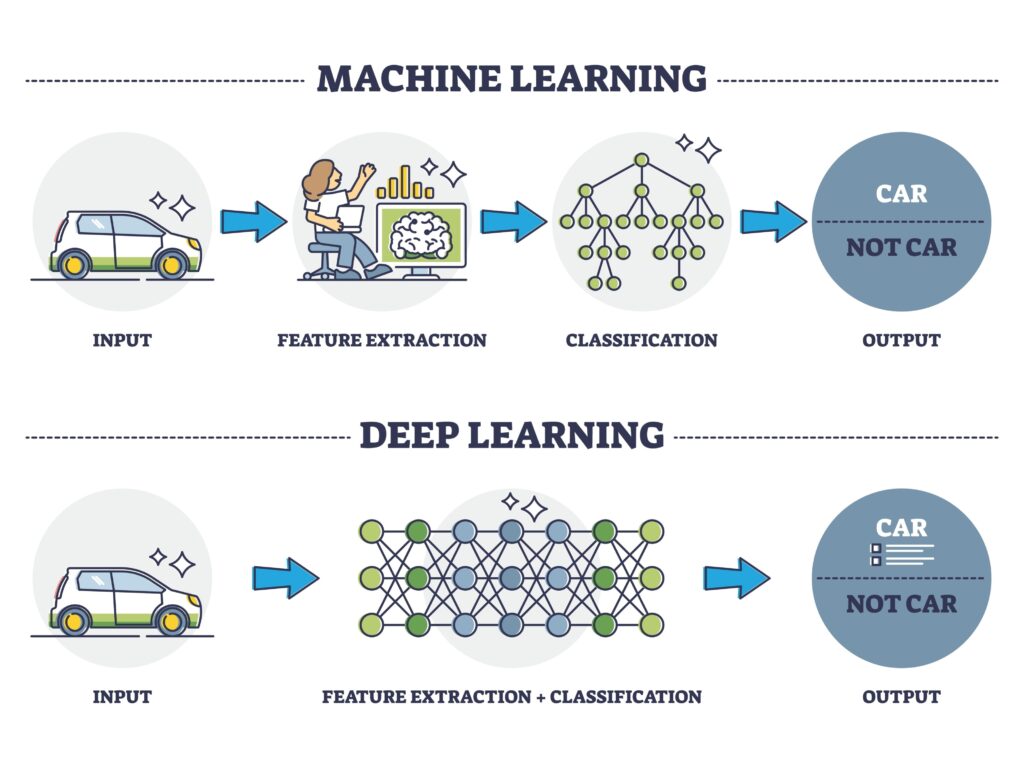
France is currently acting as the tip of the spear for the enforcement actions. If prosecutors prove “complicity” in the possession of child abuse material, the sanctions could be devastating. This investigation seeks to determine if X is simply a neutral platform or an organised group that manipulates data processing. The results will likely dictate how AI assistants are deployed across the entire European Union in the coming years.
TF Summary: What’s Next
Prosecutors in Paris officially noted the absence of the first people summoned on 20 April 2026. They confirmed that the investigation will continue throughout this week with testimony from other X employees. We expect the cybercrime unit to finalise its report on Grok’s algorithmic bias and deepfake generation by mid-2026. This data will likely feed into larger European Union efforts to regulate generative AI safety.
The SEC and Justice Department will continue to monitor the case for any evidence of financial misconduct ahead of the planned SpaceX-xAI merger. If French authorities provide concrete evidence of market manipulation, the June 2026 listing could face significant delays. X must decide between a “constructive approach” with European regulators or a total withdrawal from the French market. The coming months will reveal if Elon Musk can continue to prioritise his vision of free speech over the specific legal requirements of the nations in which he operates.
MY FORECAST: I predict that this French summons will be the catalyst for the first major “AI Sanction” in history. By 2027, the European Union will likely ban Grok in its current form until xAI installs human-in-the-loop moderation for all European users. Elon Musk will probably ignore the French courts until they threaten to seize X’s European assets, at which point he will pivot to a “Premium-Sovereignty” model for the region. You will see a world where the internet is no longer global; instead, it will be a collection of “digital border walls” where your AI experience depends entirely on your passport.