


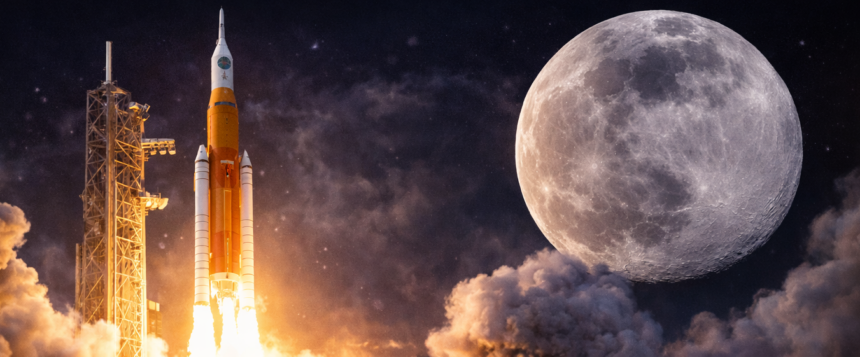
Humanity has finally lit the fuse on its first crewed Moon voyage in more than 50 years.
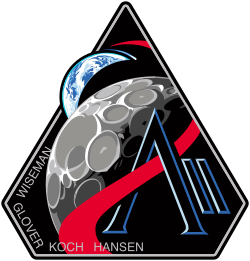
NASA has launched Artemis II, sending four astronauts toward the Moon on the first crewed lunar mission since Apollo 17 in 1972. The mission lifted off from Launch Complex 39B at Kennedy Space Center on 1 April 2026, using the towering Space Launch System rocket and the Orion spacecraft. The crew is not landing on the lunar surface. It is flying a 10-day mission around the Moon and back to Earth. That still makes the launch historic.
Artemis II is not a nostalgia tour in a shinier rocket. NASA needs the mission to prove that its deep-space hardware, life-support systems, and crew operations can work with people on board. If the mission performs well, Artemis III moves closer to a return to the lunar surface. If the mission stumbles, the whole Moon roadmap gets uglier and more expensive very quickly.
What’s Happening & Why This Matters
Artemis II is the Road to the Moon
Artemis II is NASA’s first crewed mission under the Artemis programme and the first time astronauts have headed for the Moon in nearly 54 years. NASA says the mission will send the crew on a 10-day journey, with a planned lunar flyby and return to Earth. The flight is designed as a full-up systems test for human deep-space travel.
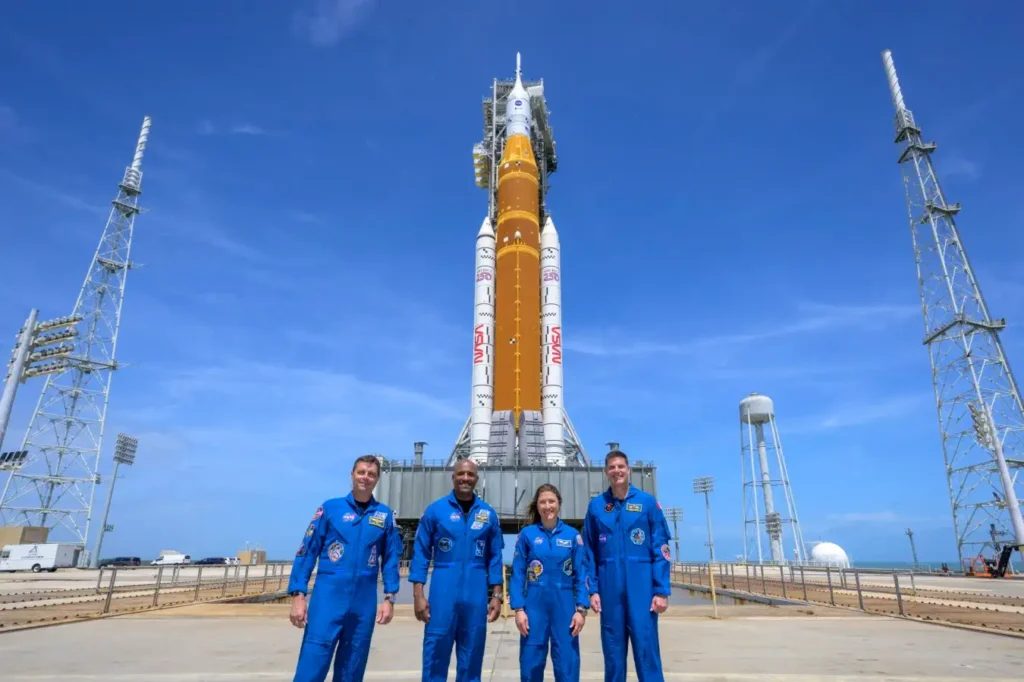
The crew is strong and symbolic. Reid Wiseman commands the mission. Victor Glover serves as pilot. Christina Koch and Jeremy Hansen fly as mission specialists. Glover is the first Black astronaut on a lunar mission. Koch is the first woman assigned to fly around the Moon. Hansen is the first Canadian and first non-American to do it.

That mix gives NASA a more modern lunar crew than the Apollo era ever offered. Symbolism alone does not make a mission succeed. Space programmes are political, cultural, and scientific at once. Artemis II is carrying all three stories in the same capsule.
The launch itself mattered beyond the flame and thunder. It showed NASA still has the nerve to build and fly large, risky, crewed missions after decades spent mostly in low Earth orbit. That shift alone changes the emotional tone of U.S. spaceflight.
The Mission Is a Test Flight with Future Stakes
Artemis II does not include a lunar landing. Some critics will mock that. They should calm down. A test flight with crew is exactly where NASA needs discipline, not bravado.
NASA is using Artemis II to validate Orion’s life-support hardware, navigation, communications, manual flight handling, and re-entry performance after deep-space exposure. The mission will travel roughly 252,799 miles (406,842 km) from Earth, with some reporting placing the peak distance above 253,000 miles (407,165 km). Either way, the crew will go farther than humans have travelled since Apollo.
Deep space is not forgiving. Communications lag. Radiation risk rises. Small failures get meaner. A toilet issue or comms glitch in Earth orbit is annoying. The same problem near the Moon is a mission-defining headache.
That is why NASA needs a clean run. Artemis II is not only testing machinery. It is testing whether the agency’s lunar plan rests on solid engineering or on political optimism wearing a flight suit. If the mission returns cleanly, NASA earns real momentum. If not, the cost, schedule, and credibility damage will spread well beyond one capsule.
Artemis Is About the Moon
The Moon mission is scientific and technical. It is political too. NASA’s recent architecture updates made the agency’s ambition clear. Artemis II is meant to feed a bigger programme that includes a return to the Moon’s south pole, a lunar surface campaign, and eventually a more durable base presence.
That future is not cheap. The Artemis programme has already cost about $107 billion (€99 billion), according to current reporting. That figure alone explains why each flight carries more than engineering pressure. Congress watches. The White House watches. Rivals abroad watch too.
China is the obvious backdrop. U.S. officials keep talking about long-term lunar presence and strategic leadership because they know another major power is eyeing the same territory. Water ice, south-pole access, logistics, prestige, and future infrastructure are all the same lunar argument.
That means Artemis II is not simply a NASA mission. It is a message. The United States wants to prove it can still mount bold human exploration, still field heavy-lift rockets, and still shape the next phase of lunar ambition. A successful mission keeps that case alive. A messy one gives doubters fresh ammunition.
The columnist version is simpler. Flags and footprints are sentimental. Reliable launch cadence is power.
NASA’s Next Problem Is Artemis II’s Re-entry
Success will not end the pressure. It will merely move it.
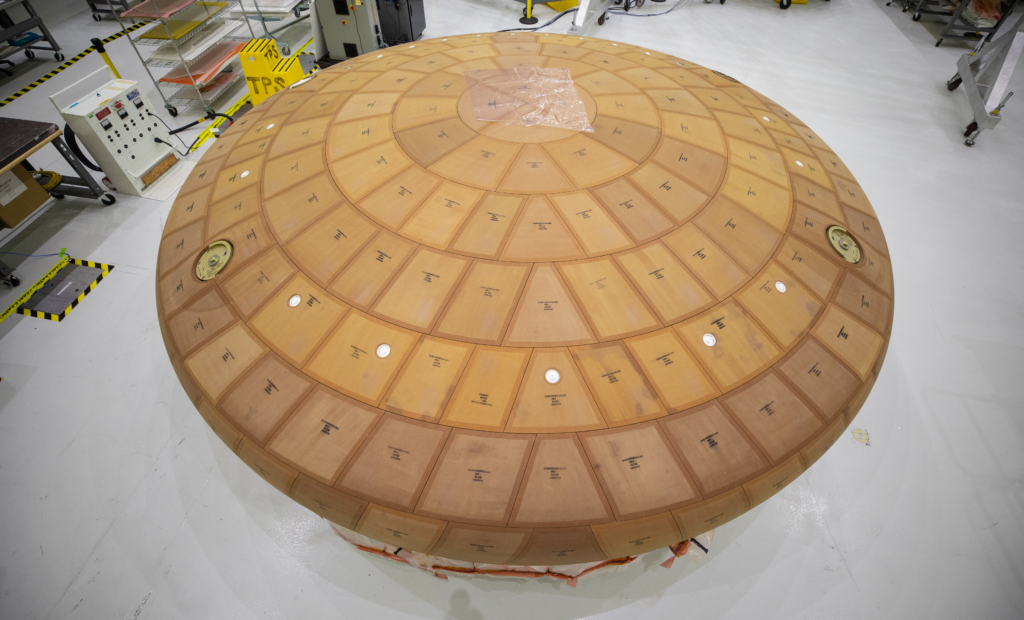
If Artemis II performs as planned, attention swings fast to Artemis III, the mission meant to land astronauts near the lunar south pole. That next step depends on more than Orion and SLS. It depends on commercial landers from SpaceX and Blue Origin, surface systems, suit readiness, and much tighter operational choreography.
NASA has already been dealing with schedule strain, including a helium-flow issue in the upper stage, before launch preparations tightened. That kind of technical snag is normal in large programmes. It still reminds everyone that a Moon campaign is not a clean line on a poster. It is a long sequence of expensive hardware that must behave at the right moment.
So even if Artemis II is a triumph, NASA still faces the harder work of sustaining rhythm. One successful lunar flyby can revive belief. It cannot, by itself, build a Moon base or guarantee annual missions. The agency needs repeatability, not only romance.
That is where many grand programmes start sweating. Getting back once is history. Getting back again and again is policy. NASA wants the second version badly. Artemis II is the bridge.
TF Summary: What’s Next
Artemis II has launched, sending four astronauts on a 10-day mission around the Moon and back to Earth. It is the first crewed lunar voyage since 1972 and a central test for NASA’s wider Artemis plan. The mission carries symbolic firsts, serious engineering goals, and bigger political weight than any U.S. human deep-space flight in decades. It is a live systems trial for the rocket, the capsule, and the Moon strategy built around them.
MY FORECAST: If Artemis II returns cleanly, public enthusiasm will surge, and NASA will gain precious room for Artemis III. If the mission runs into deeper trouble, critics will pounce on cost, delay, and strategy all at once. Either way, the era of treating the Moon as a museum piece is over. Artemis II has reopened the route. The real question is whether NASA can keep traffic flowing.
— Text-to-Speech (TTS) provided by gspeech | TechFyle