


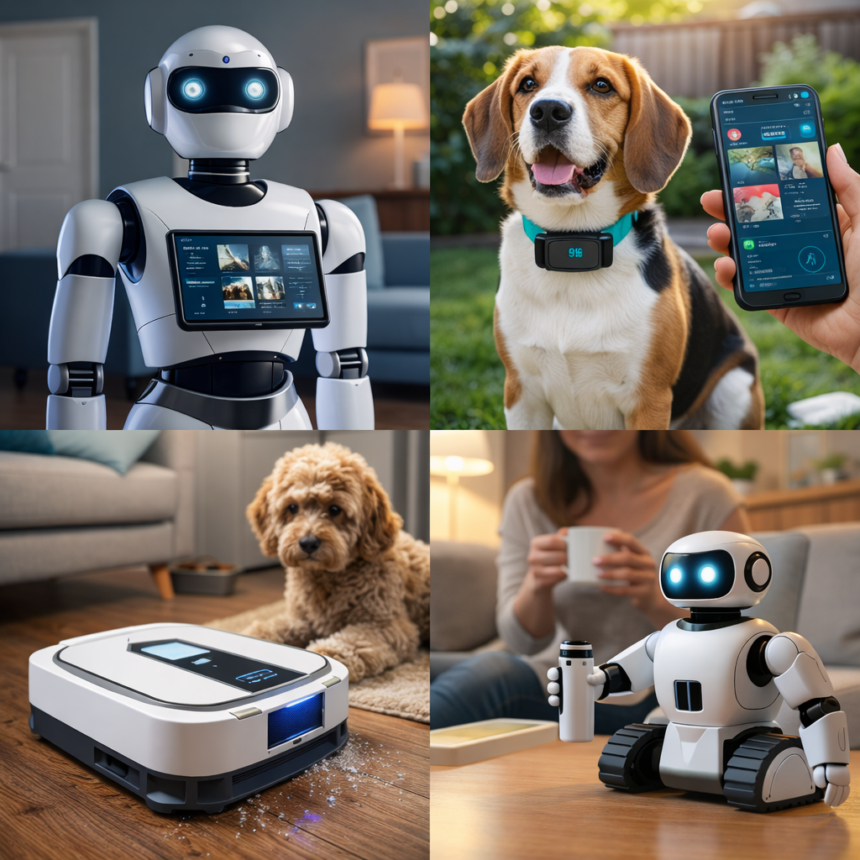
Your Next Gadget Might Talk Back — or Wag Its Tail.
The gadget industry rarely sleeps. Every year brings fresh waves of devices that promise to make life easier, smarter, or more entertaining. Yet the latest crop of innovations leap beyond simple upgrades. Many devices include artificial intelligence, sensors, and robotic movement. The goal is clear: turn everyday gadgets into companions that can see, speak, respond, and even understand human behaviour.
Recent announcements from Mobile World Congress and research labs represent how far the trend has advanced. New devices include AI-powered smartphones that act as companions, wearables that let pets communicate with their owners, and humanoid robots trained on centuries of spiritual texts. The products reveal a growing shift from traditional electronics toward interactive AI devices.
Companies no longer want to sell gadgets that are quietly in your pocket or at home. They want to create machines that interact with you, assist with daily tasks, and build relationships with users. As artificial intelligence grows more powerful, hardware manufacturers increasingly integrate it into the physical world.
The result is a wave of technology that blends smartphones, robotics, and machine learning into something new. The modern gadget is not just smart. It is becoming aware, responsive, and sometimes surprisingly human-like.
Wht’s Happening & Why This Matters
Smartphones: Your Everyday AI Companions
One of the most intriguing concepts emerging from the gadget world is the “robot phone”. Chinese technology company Honor unveiled a device designed to behave more like a companion than a traditional smartphone.
The concept includes a small robotic gimbal arm that unfolds from the phone body. Once activated, the device displays animated eyes on the screen and tracks the user’s movements in real time. The phone can physically rotate and reposition itself during video calls, automatically adjusting its camera angle to follow the user.
Honor describes the technology as “embodied AI”. Instead of remaining passive, the device can observe its surroundings and interact with users through voice and movement.
Thomas Bai, an AI product expert at Honor, explains the vision behind the concept:
“The robot phone is the first phone that can see, hear, and interact with the world physically because we have this robotic arm built in the phone.”
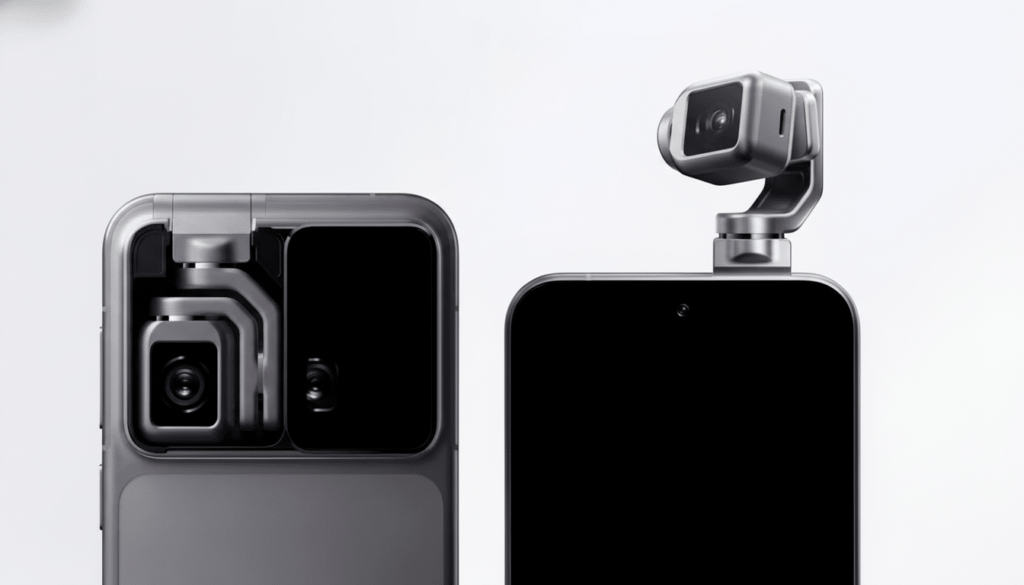
The phone uses artificial intelligence to analyse visual details in real time. A user can ask the device questions about their environment or even their outfit. The AI responds with contextual feedback based on the visual data captured by its camera.
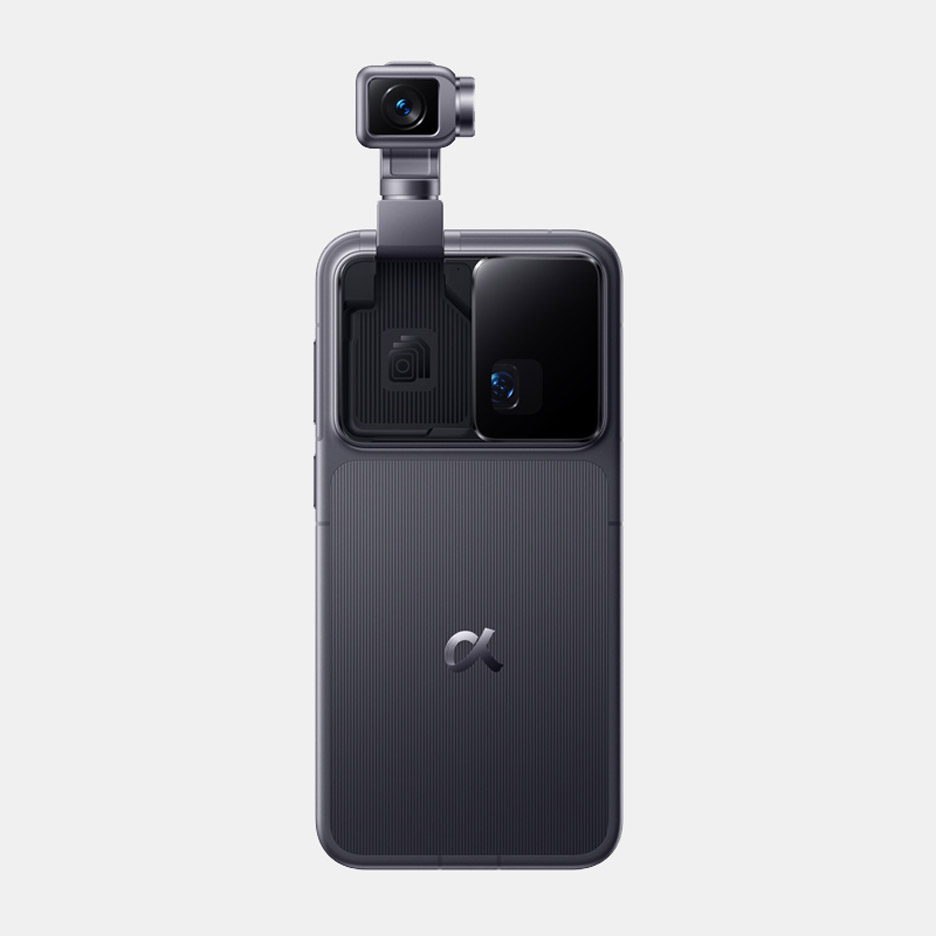
In addition to conversational features, the phone includes powerful imaging tools. Its 200-megapixel camera and advanced stabilisation system allow content creators to shoot cinematic video with minimal effort. AI-powered tracking can follow moving subjects and adjust parameters automatically.
Honor believes the device could serve as a tour guide, travel assistant, and filming companion during activities such as hiking or exploring new places.
The concept device is experimental, yet it highlights an important shift. Smartphones are no longer simply communication tools. They are becoming interactive AI companions capable of observing and responding to their surroundings.
AI in Humanoid Robotics

Artificial intelligence is also transforming robotics in unusual ways. In Japan, researchers at Kyoto University recently introduced an experimental humanoid robot called Buddharoid.
Unlike typical service robots, Buddharoid focuses on spiritual conversation. Researchers trained the machine using large collections of Buddhist scriptures. The goal is to create a system capable of discussing philosophical and personal questions.
The project is led by researcher Seiji Kumagai, Kyoto University’s Institute for the Future of Human Society. During demonstrations at a temple, the robot walked among visitors and engaged them in conversation while performing prayer-like gestures.
Earlier attempts at religious AI often relied on scripted responses. Buddharoid takes a more advanced approach. By combining modern language models with a humanoid robot platform, the system can generate real-time dialogue while moving and gesturing naturally.

The development shows how robotics can move beyond industrial automation. Instead of factory tasks, robots may soon perform social, cultural, and educational roles in Japan.
Japan’s ageing population influences research directions. As communities struggle with shrinking workforces, intelligent machines may help fill gaps in caregiving, education, and even religious services.
While Buddharoid is a research project, it demonstrates how AI-powered robots can operate in environments that once required human empathy and cultural understanding.
Pet Wearables Introduce a New Form of Communication

Humans are not the only ones gaining new ways to interact with technology. Pets may soon join the AI revolution as well.
A Singapore-based technology company, uCloudlink, recently introduced a wearable device called PetPhone, designed to allow pets to communicate with their owners.
The device functions as a combination of GPS tracker, motion sensor, and communication system. Worn on the pet’s collar, it connects to a smartphone app that allows owners to monitor the pet’s activity and location.
What makes PetPhone unusual is its attempt to translate pet movements into messages.
Developers programmed the system to recognise certain physical patterns. For example, if a dog jumps several times within a short period, the device interprets the motion as an attention-seeking request and automatically alerts the owner.
Jeff Chen, founder and CEO of uCloudlink, describes the idea in simple terms:
“We believe the pet can use the PetPhone for communication with the people, like a child.”
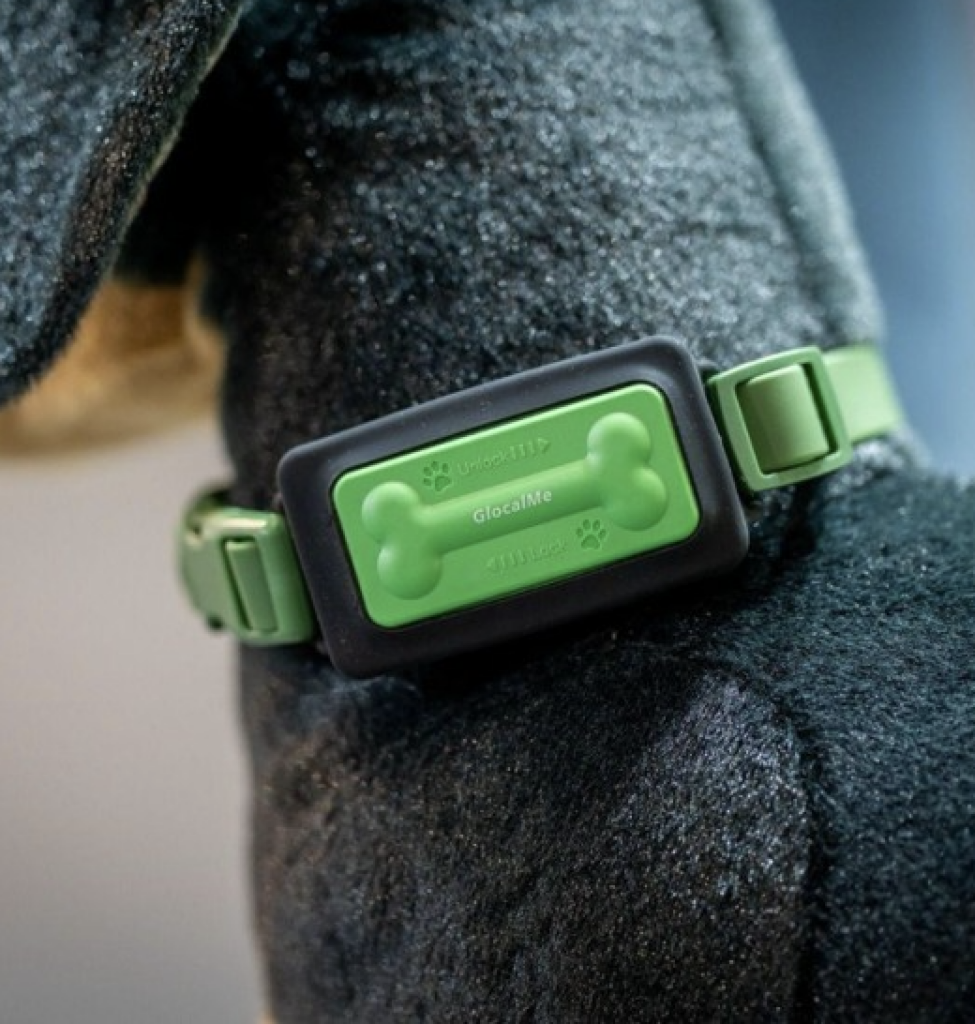
Other movement patterns trigger different notifications. A dog spinning in a circle might signal hunger or thirst. Owners can call the device directly to check on their pets and play music or voice messages.
The technology attempts to move beyond simple monitoring systems such as cameras and trackers. Instead, it creates a basic form of communication between animals and humans.
As artificial intelligence improves motion recognition and habit-forming analysis, similar devices may allow pets to convey needs and emotions more clearly.
AI: Powering Next-Gen Gadgets

Behind many of the devices lie new-generation artificial intelligence models capable of performing complex reasoning and analysis.
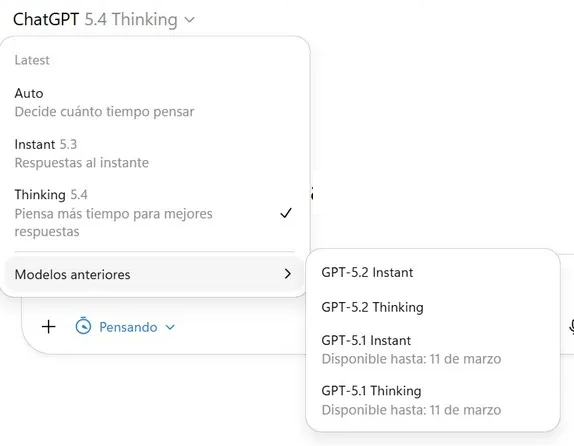
OpenAI recently introduced GPT-5.4, a model designed to improve advanced knowledge work and long-term reasoning tasks.
The system can interpret screenshots, interact with software interfaces, and manage complex tasks that require extended context. OpenAI reports that the new model reduces factual errors and improves efficiency when processing long prompts.
The model includes improved visual analysis capabilities, allowing it to examine images at resolutions exceeding ten million pixels.
The advances matter for hardware manufacturers. As AI models gain stronger reasoning and perception abilities, they enable gadgets to perform more complex actions.
Smartphones can analyse visual environments. Robots can answer philosophical questions. Wearables can interpret behavioural signs.
In other words, software intelligence unlocks hardware potential.
Gadgets: The New AI Ecosystems
The innovations further reveal advancements among technology companies.
Honor, for example, says it aims to move beyond smartphones and develop a full AI ecosystem of connected devices.
The approach treats AI as a universal layer that connects multiple devices.
Smartphones, robots, wearables, and home electronics can all share the same underlying intelligence. As a result, users may interact with a single AI assistant across many physical products.
The strategy mirrors trends in the technology industry. Companies such as Apple, Google, and Amazon are investing heavily in AI-driven hardware ecosystems.
Ecosystems enable devices to collaborate rather than operate independently.
For consumers, the experience is seamless. A smartwatch talks to a smartphone. A robot assistant integrates with smart home systems. Even pet wearables connect to mobile apps.
The result is a network of intelligent devices working together in real time.
TF Summary: What’s Next
The latest wave of gadgets reveals a clear direction for consumer technology. Devices are becoming more interactive and intelligent thanks to advances in artificial intelligence. New concepts such as robot smartphones, spiritual robots, and communication tools for pets illustrate how AI is moving beyond software and into everyday objects.
MY FORECAST: Expect the gadget market to transform quickly over the next few years. Smartphones will act as AI companions rather than passive tools. Robots will appear in homes, workplaces, and cultural spaces. Wearables will expand to include animals and household environments. The most successful companies will not sell single devices. They will build entire AI ecosystems that connect people, machines, and everyday life.
— Text-to-Speech (TTS) provided by gspeech | TechFyle