


Big Tech Gets Its Power. Voters Get a Promise. Utilities Get a Headache.
The White House staged a very American compromise: the AI boom keeps running, and regular people supposedly stop paying for it.
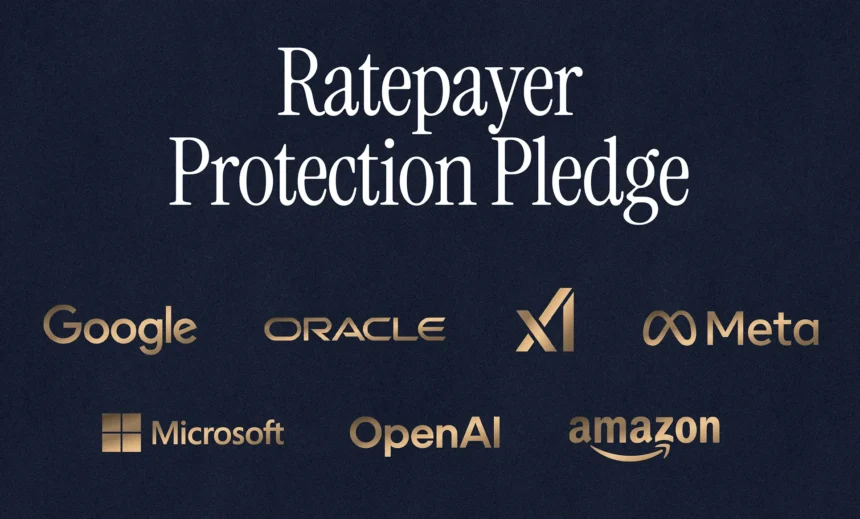
At a White House event, President Donald Trump announced a “Ratepayer Protection Pledge” signed by a lineup of tech giants and AI labs. The pitch. Data centers consume massive quantities of electricity. Communities complain. Utility bills rise. So Big Tech agrees to cover the costs of new generation and grid upgrades tied to its data center expansion — so households and small businesses don’t get stuck holding the bag.
Signers include Google, Microsoft, Meta, Amazon, Oracle, xAI, and OpenAI.
If the pledge works, it reduces political heat around data centers and helps tame the “why is my electricity bill climbing?” rage that tends to surface right before elections. If the pledge turns into PR theater, voters still pay more while AI campuses keep expanding.
That’s why this story matters. It’s greater than energy. It’s about who pays for the next era of computing.
What’s Happening & Why This Matters
The White House Rolls Out the “Ratepayer Protection Pledge”
Trump introduces the pledge as a consumer protection tool. He says tech companies will get the electricity they need “without driving up electricity costs for consumers,” and calls the deal a win for American families and grid resilience.
The administration states the pledge as a response to two pressures at once:
First, the AI boom drives a surge in data center construction. Those facilities require electricity for server racks and cooling.
Second, U.S. voters are furious about the cost of living. Electricity prices already rose about 6% in 2025, according to U.S. Energy Information Administration data cited in reporting.
So the White House wants a story it can tell: “AI leadership, without higher bills.”
What Big Tech Actually Agrees to Do
The pledge focuses on costs related to data center power demand. In practice, companies commit to:
- Build, bring, or buy new power generation capacity for data centers. That includes new power plants or the expansion of existing plants.
- Pay for grid upgrades and power delivery system improvements tied to data center needs.
- Negotiate special rate structures with state-level utilities.
- Hire local workers where data centers are built, which aims to soften community opposition.
Here is a critical detail: the pledge does not magically lower everyone’s existing electricity bill next month. It targets the incremental burden created by hyperscale data center demand. It tries to prevent data center growth from heaping costs onto local ratepayers.
Energy Secretary Chris Wright says the administration will lead in the AI boom “without raising electricity prices for Americans.”
That’s the promise. Now comes the problem: enforcement.
The Enforcement Question
Even supporters admit the pledge raises a hard question. How do you enforce it?
Electricity markets include local utilities, public utility commissions, independent system operators, grid managers, and state regulators. That maze complicates accountability.
John Quigley, a senior fellow at the Kleinman Center for Energy Policy at the University of Pennsylvania, says the pledge may be difficult to enforce because of the many layers involved in power projects. He adds that the administration has the burden to prove it is “more than just a stunt.”
A pledge is not a law. It is not even a contract with the public. It is a political commitment announced at a press event. The practical mechanism likely operates through state-by-state negotiations between hyperscalers and utilities, as well as infrastructure cost allocation agreements.
That means outcomes will vary widely. One state may hold Big Tech to strong cost-sharing terms. Another state may allow utilities to spread costs across ratepayers, quietly, through complex rate cases that most consumers never read.
Why Communities Fight Data Centers
The pledge functions as a social license tool. Trump acknowledges that tech companies “need some PR help” as backlash grows nationwide.
Local opposition often focuses on:
- Strain on grids and local electricity prices
- Water consumption and cooling demands
- Noise and industrial footprint
- Tax incentives that feel lopsided
- Lack of local benefits compared to the scale of disruption
The administration says the pledge aims to convince towns and cities that data centers won’t punish residents with higher bills.
That’s important because communities have already delayed or blocked projects. When local permitting slows, AI infrastructure timelines suffer. Hyperscalers then face a new enemy: county zoning boards.
The pledge is designed to reduce that conflict.
The Energy Reality: Paying Doesn’t Build Faster
Even if Big Tech pays, generation still takes time.
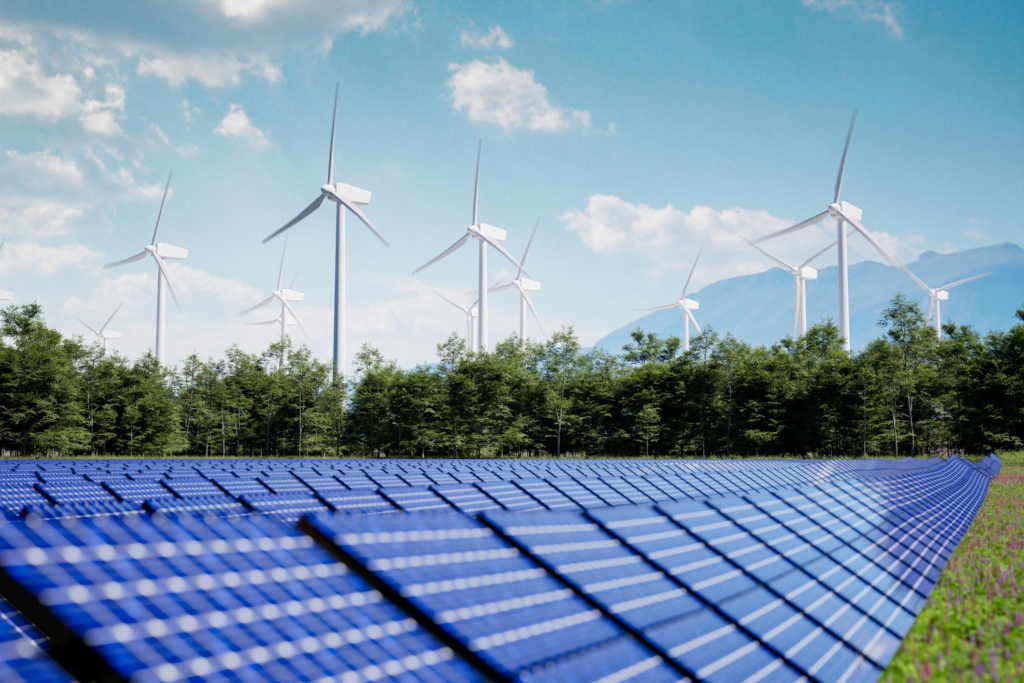
Jon Gordon of Advanced Energy United says that hyperscalers paying for generation does not bring it online faster. The bottleneck is the speed of generating buildout, and he notes Trump’s preference for natural gas and other fossil generation over quicker-build options like solar and wind.
This gets technical, but it matters.
Natural gas plants can take years from permitting to operation, especially if pipeline infrastructure needs upgrades. Nuclear takes longer. Grid transmission upgrades take longer than either. Wind and solar can build quickly, but they require storage and transmission, and political support varies.
So the pledge may reduce who pays, but it won’t instantly fix grid capacity constraints. It’s a financing shift, not a time machine.
AI Data Centers and the Rising Cost of Power
Electricity prices don’t rise only due to data centers. Fuel costs matter.
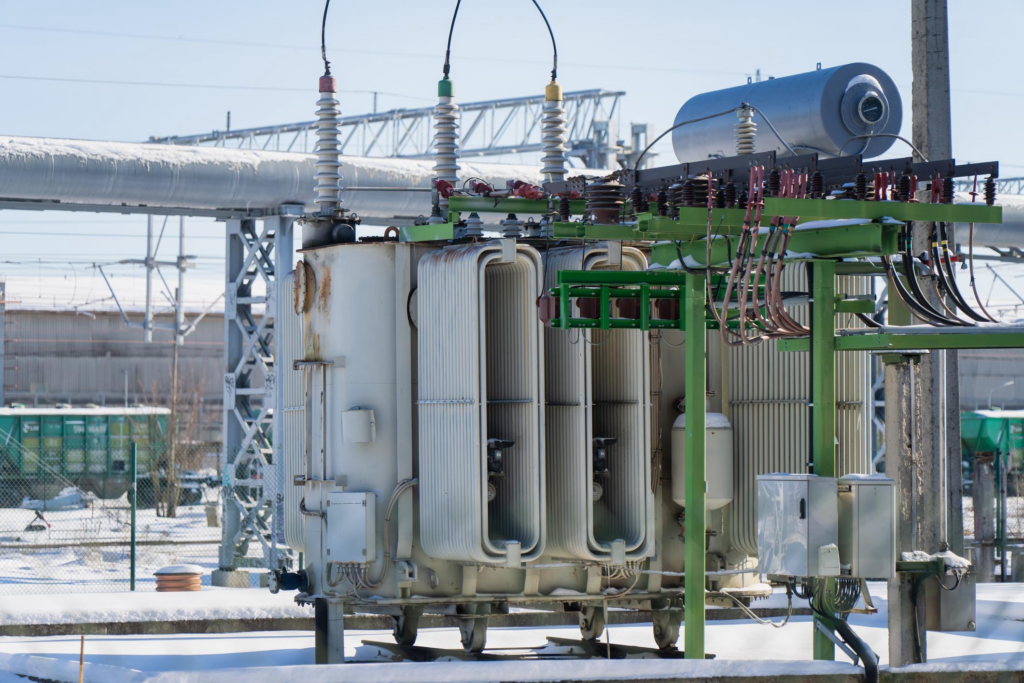
The reporting notes that natural gas, which supplies nearly half of U.S. electricity generation, has climbed over the past year, and increased exports contribute to higher domestic utility bills.
There’s geopolitical risk. The U.S. and Israel’s war with Iran may disrupt supply chains and surge global oil and natural gas prices higher, which could undermine the administration’s motivation to reduce bills.
So even if the pledge mitigates some data center-related cost pressure, energy market dynamics could still drive up bills.
This is why the pledge feels politically attractive. It gives the White House a lever it can pull, even when global energy markets don’t cooperate.
AI Leadership as National Policy
The administration’s underlying premise is that U.S. leadership in AI requires building compute infrastructure at huge scale. That means data centers and that means power.
Trump previously urged firms to secure dedicated power rather than rely solely on regional grids. The pledge makes that principle explicit by encouraging new generation procurement tied directly to data center expansion.
In other words, the U.S. is trying to industrialize AI without sparking a voter revolt over utility bills.
That is the balancing act.
TF Summary: What’s Next
The White House secures a public commitment from major tech firms and AI labs to fund new electricity generation and grid upgrades tied to data centers. The pledge aims to prevent higher utility bills for households and small businesses while allowing rapid expansion of AI infrastructure. The success depends on enforcement through state-level utility negotiations and how regulators allocate costs.
MY FORECAST: The pledge will produce real infrastructure spending, but results will vary sharply by state. Some communities will approve projects faster because the “ratepayer protection” story reduces backlash. However, grid bottlenecks and fuel price volatility will continue to drive up bills in many regions, forcing the White House to show measurable proof of cost isolation. Expect follow-on reporting requirements, heightened transparency demands, and a political scramble to claim credit once the first new-generation projects break ground.
— Text-to-Speech (TTS) provided by gspeech | TechFyle