


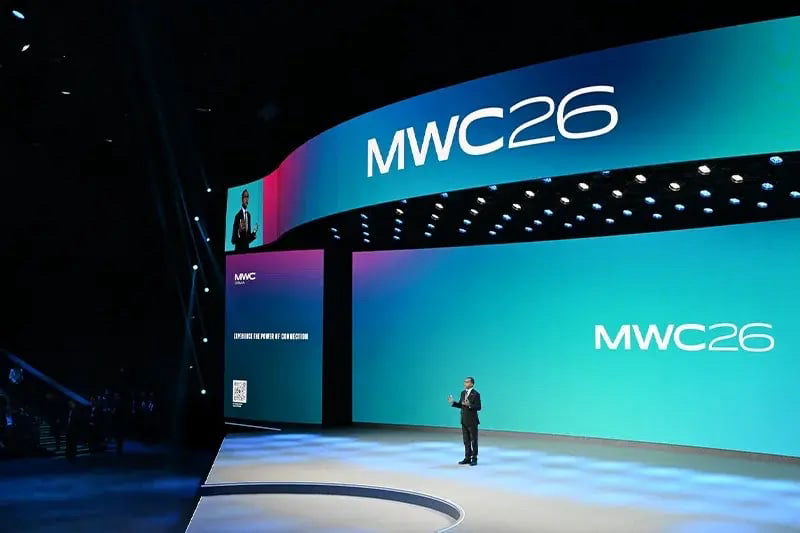
From Europe’s 5G anxiety to satellite-to-phone broadband, Mobile World Congress 2026 shows where connectivity fights for its future.
Barcelona is abuzz again. Screens glow. Executives discuss networks, satellites, AI, and who owns the next decade of connectivity. Mobile World Congress 2026 opened with its usual spectacle. But the mood is more… open-eyed. Smartphones are no longer the headliners. Instead, satellite networks, AI-driven infrastructure, cybersecurity, and Europe’s uneasy 5G progress dominate the conversation.
This year’s theme circles a central idea. Connectivity equals competitiveness. Miss that window, and entire regions fall behind.
What’s Happening & Why This Matters
Europe’s 5G Warning: “Out of the Game”
The GSMA’s director general, Vivek Badrinath, delivered a blunt message. Europe risks falling behind in 5G standalone (5GSA) deployment.
While the United States and China seek industrial automation in ports and factories, Europe has roughly 3% 5GSA coverage. Badrinath calls it a “chicken and egg” problem. Enterprises hesitate to invest in robotics and AI without reliable 5G networks. Operators hesitate to expand coverage without enterprise demand.
Fragmentation compounds the issue. The US and China each operate three large carriers. Europe counts roughly 200 telecom operators. Scale and research budgets matter. Infrastructure spending requires consolidation.
“If we don’t roll out 5G properly… you’re out of the game,” Badrinath warns.
European regulators face pressure to reform connectivity rules under the Digital Network Act. Ministers and regulators filled the conference halls. Policy discussions carried the same weight as product launches.
The takeaway feels clear. Networks determine economic destiny.
Satellites: From Backup to Backbone
If terrestrial networks stall, space steps in.
The European Space Agency and the GSMA Foundry unveiled a €100 million funding program to boost non-terrestrial networks (NTN). The initiative blends satellite and mobile systems into hybrid connectivity models.
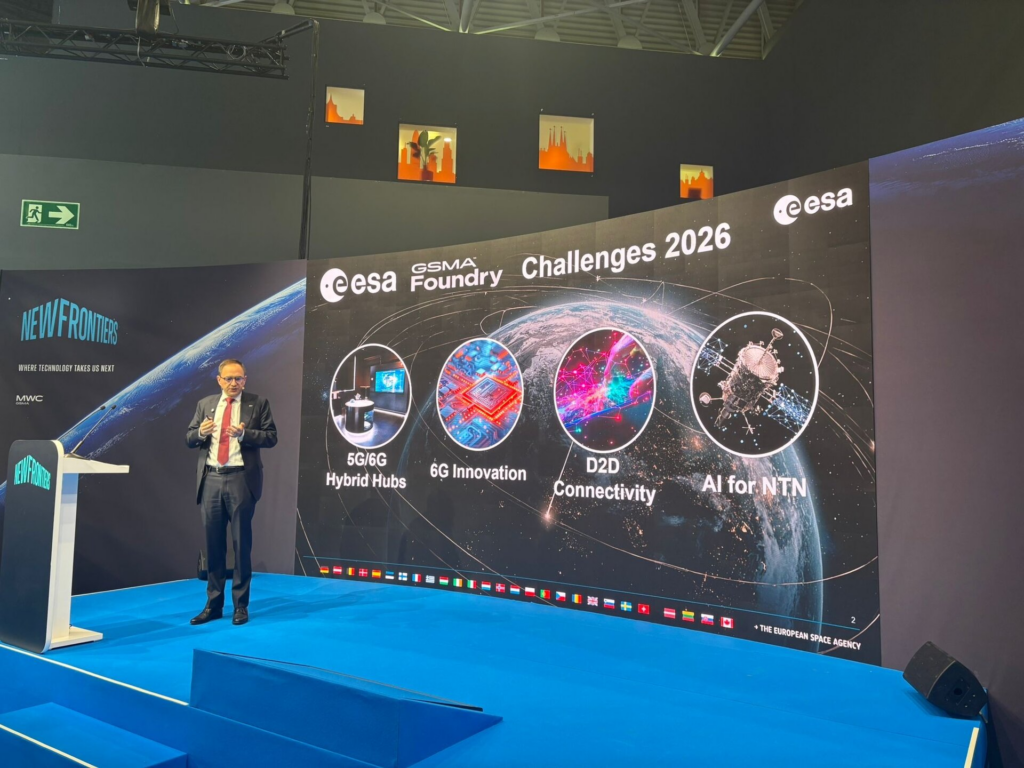
Antonio Franchi of ESA calls connectivity the backbone of 6G and AI. The fund targets AI-driven satellite management, Direct-to-Device services, collaborative 5G/6G testbeds, and advanced IoT research.
The effort epitomizes urgency. American firms dominate satellite broadband headlines. Europe seeks independence and resilience.
ESA showcased its Argonaut lunar lander concept alongside hybrid satellite demonstrations. The message carried symbolism. European connectivity extends beyond Earth. It supports lunar missions, too.
The bigger point resonates. Satellite infrastructure no longer supplements networks. It integrates with them.
Starlink Mobile Aims for Hundreds of Millions
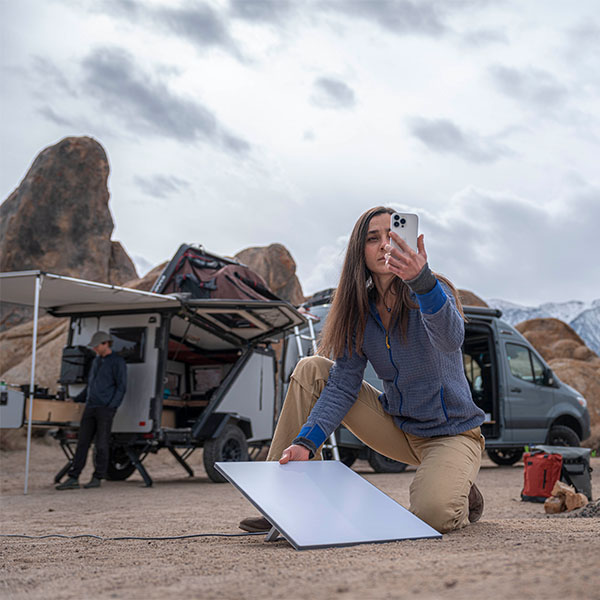
SpaceX took the stage with bold ambition. The company officially rebranded its Direct-to-Cell service as Starlink Mobile.
The first-generation system already spans 650 satellites and connects over 16 million unique users. Ten million are active monthly through partner carriers such as T-Mobile and Rogers.
Michael Nicolls, VP of Satellite Engineering, predicts that number could exceed 25 million by 2026. The second-generation constellation aims far higher. SpaceX targets hundreds of millions of devices.
The roadmap grows ambitious. Using the Starship launch vehicle, SpaceX plans to deploy roughly 1,200 satellites within six months to achieve global coverage. Longer-term filings mention scaling to 15,000 satellites.
Starlink Mobile views itself not as a competitor to carriers but as a complement. Satellite fills dead zones. Terrestrial networks handle dense urban traffic. Hybrid architecture wins.
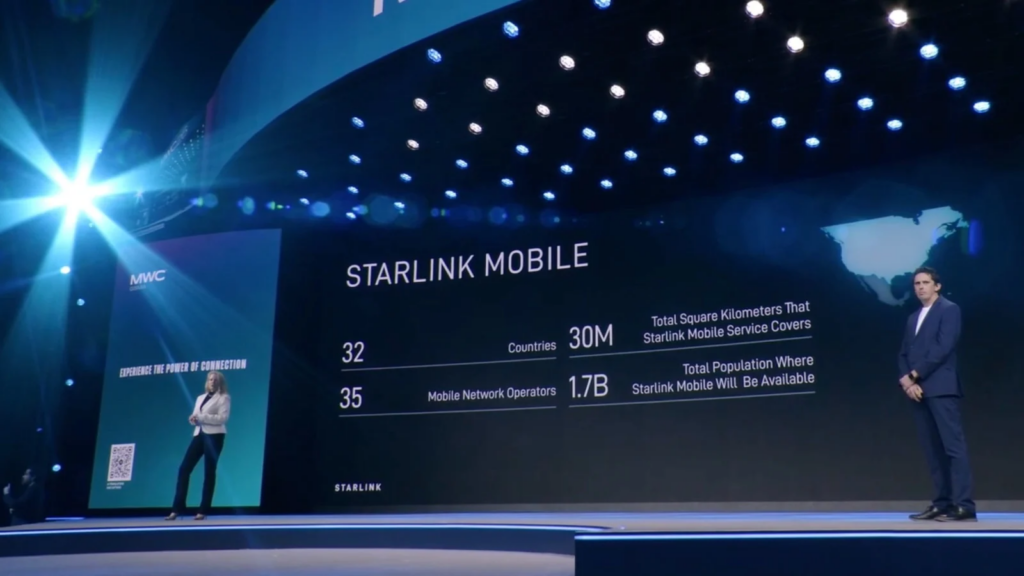
Peak speeds could reach 150 Mbps per user on upgraded satellites. The current service operates at closer to 4 Mbps. That jump represents a major leap in mobile satellite capability.
Satellite-to-phone broadband no longer reads like science fiction. It reads like a telecom strategy.
AI Skills in Network Management
Artificial intelligence dominated nearly every booth. However, the focus shifted from flashy chatbots toward network intelligence.
AI manages traffic allocation, predictive maintenance, and real-time security monitoring. ESA’s fund explicitly targets AI-driven management of hybrid networks.
Operators recognize that 6G will demand automated orchestration. Networks grow too complex for manual control.
AI also shapes security posture. Threat detection engines analyze anomalies in milliseconds. Cyber resilience is non-negotiable as geopolitical tensions rise.
In short, AI does not merely ride on networks. AI runs them.
Airport of the Future and “New Frontiers”
MWC still delivers on spectacle. Honor teased a foldable robot phone. The rumor mill buzzed about humanoid robotics. Executives stayed coy.
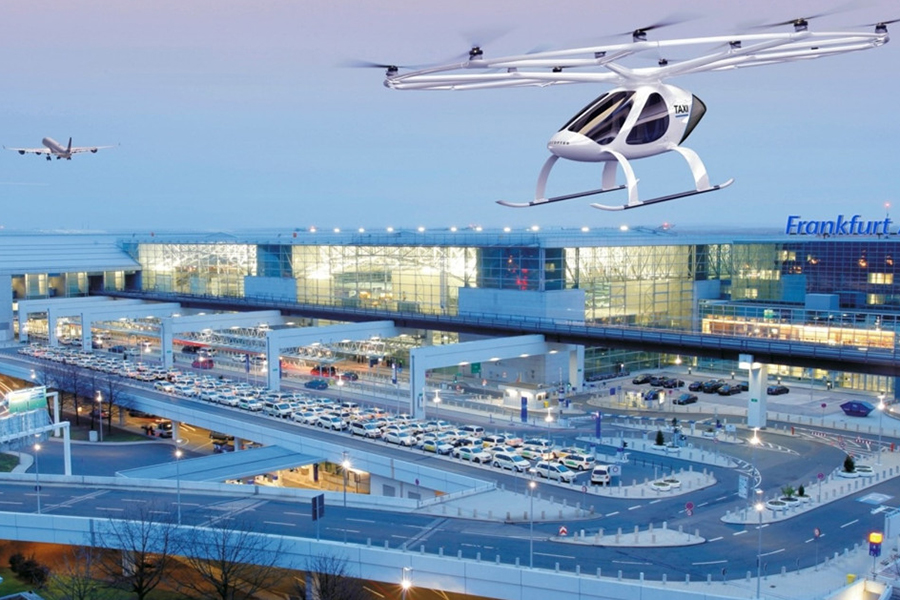
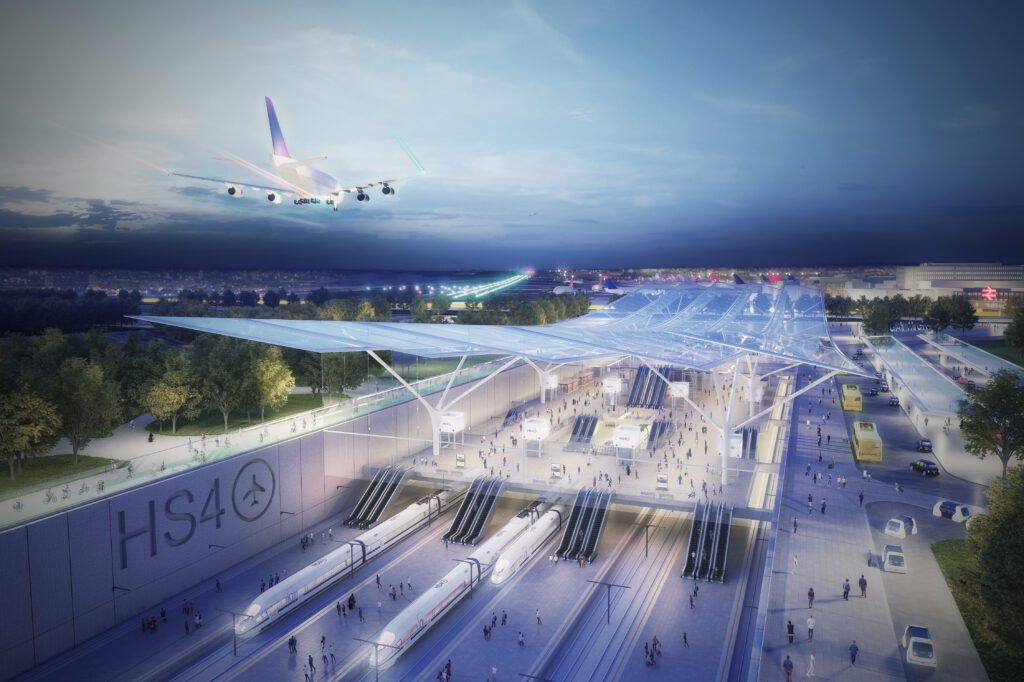
Beyond devices, the “Airport of the Future” exhibition drew attention. Connectivity transforms baggage tracking, air traffic coordination, and passenger analytics.

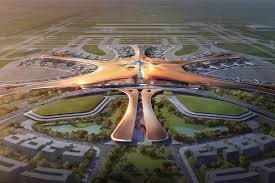
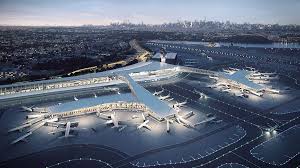
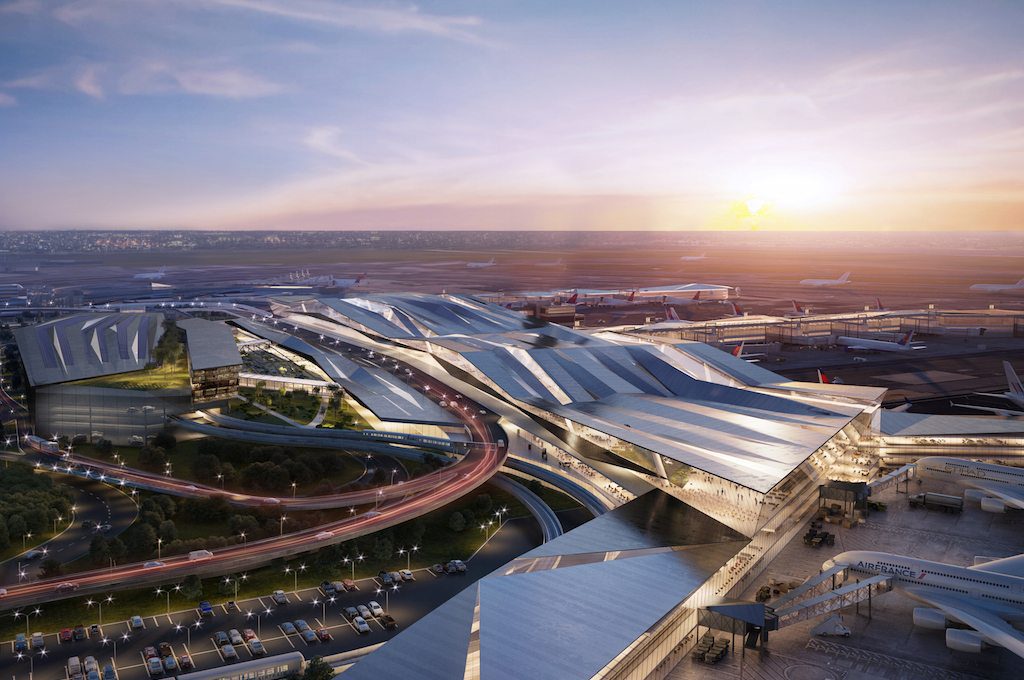
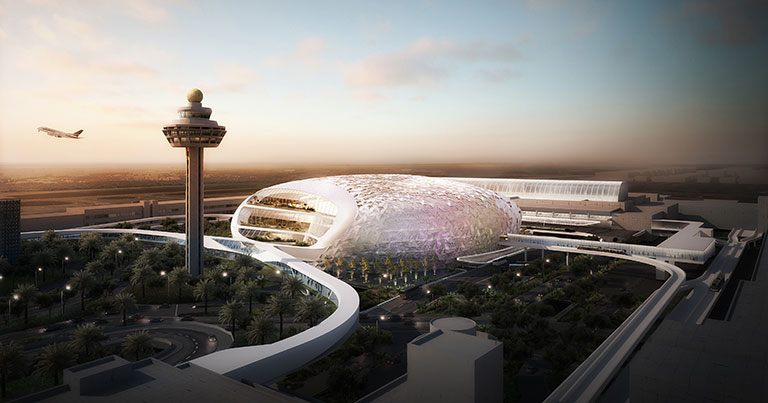
Another showcase, “New Frontiers,” highlighted quantum computing, robotics, and emerging technologies. The displays stretched imagination beyond incremental phone upgrades.
The shift feels symbolic. MWC matured. It serves as a platform for infrastructure and deep tech, not handset hype.
Security and Resilience Enhanced
Cybersecurity conversations intensified this year. Operators acknowledge increased geopolitical cyber activity. Satellite networks introduce new attack surfaces. Hybrid systems demand layered defense.
Zero-trust architecture, multi-factor authentication, and AI-driven monitoring dominate technical sessions.
Connectivity enables everything. Therefore, connectivity must survive everything.
Competition
China continues aggressive 6G research. The United States leads satellite broadband deployment. Europe champions collaborative funding.
Competition is global. Cooperation is necessary.
Satellite-mobile convergence, AI-driven network management, and spectrum harmonization shape the race.
MWC 2026 reveals that leadership will not depend solely on device innovation. It depends on the depth of infrastructure and the regulatory courage.
TF Summary: What’s Next
MWC 2026 made one reality undeniable. Connectivity defines economic survival. Europe must accelerate 5G standalone rollout. Satellite networks will blend seamlessly with terrestrial systems. AI will orchestrate complexity at scale.
MY FORECAST: Hybrid satellite-terrestrial networks will dominate telecom architecture by 2028. AI-driven automation will become mandatory for operators. Regulatory reform in Europe will determine whether the region competes or follows. Space, spectrum, and software will form the new connectivity triangle.
— Text-to-Speech (TTS) provided by gspeech | TechFyle