


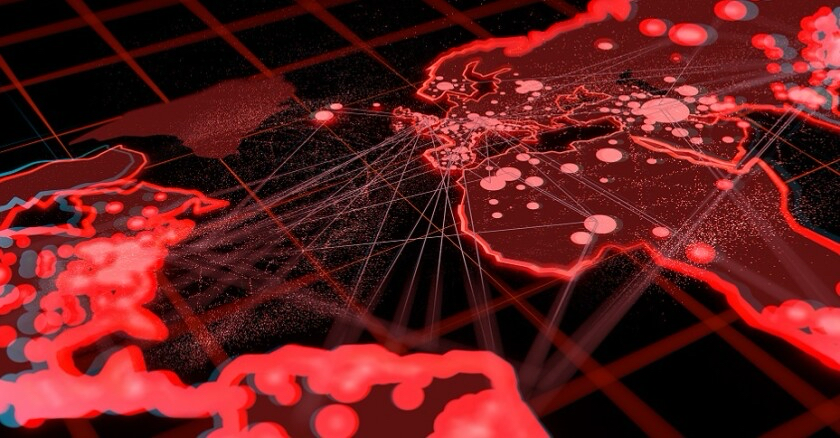
Cyberattacks, drones, cloud outages, and AI-fueled disinformation redraw modern battle lines.
Missiles are flying. Servers burned. Data vanished. That is combat in a modern conflict.
The escalating confrontation involving Iran, Israel, and the United States didn’t stay confined to airspace and borders. It cascaded into fibre cables, satellite relays, and data centres. The battlefield is not only on land or sea. It lives inside networks, gadgets, and information.
Recent operations demonstrate how cyber warfare, AI-driven disinformation, and attacks on critical infrastructure stand alongside traditional military force. From hacked apps to disrupted cloud services, digital operations alter perception, power, and strain.
The Iranian conflict exhibits something stark. Modern warfare lives in code as much as missiles.
What’s Happening & Why This Matters
Cyber Retaliation Follows Physical Strikes
When kinetic attacks occur, cyber activity surges. Security experts warn that geopolitical escalation triggers digital retaliation. Scott McKinnon of Palo Alto Networks says conflict rarely stays physical. He warns that cyber “side weapons” activate quickly when tensions rise.
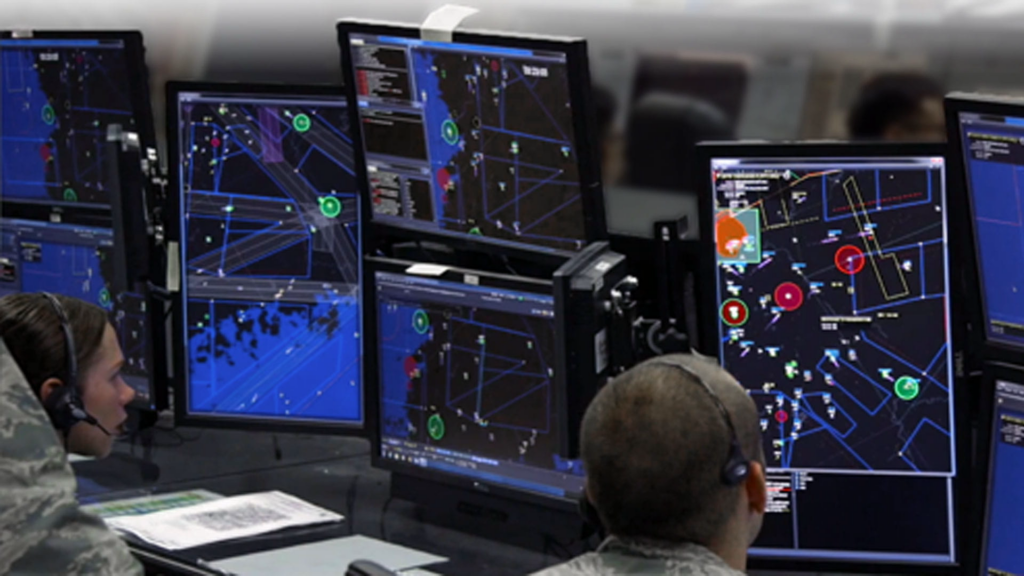
He predicts a rise in activity following recent strikes. That pattern matches history. Digital operations often accompany missile launches.
Iranian apps already faced compromise. The religious calendar app BadeSaba, with millions of users, reportedly displayed politically charged messages after a breach. Screenshots spread fast across social media.
Cyber campaigns allegedly targeted defence firms and drone-detection services. Groups claiming ties to Iranian intelligence have taken credit. Independent verification is ongoing in several cases.
These operations serve dual purposes. They disrupt systems. They send messages.
Critical Infrastructure Is At Risk
Geopolitical conflict often hits infrastructure next. Telecommunications. Energy grids. Financial systems. These networks form the backbone of modern states.
McKinnon notes that roughly 60% of organisations have already adjusted their cyber strategies due to geopolitical tensions. Nation-state actors increasingly target Critical National Infrastructure, not only military targets.
The United Kingdom’s National Cyber Security Centre continues to identify Iran among major state-backed threat actors targeting Western systems.
Attacks escalate beyond symbolic hacks. Analysts warn of wiper malware that permanently erases data. Wiper attacks do not merely steal information. They destroy it.
Distributed denial-of-service attacks also are common. These flood systems with traffic until they collapse under digital weight.
Modern economies depend on uptime. When systems fail, trust erodes quickly.
Cloud Infrastructure Is Collateral Damage

The Iranian conflict highlights a dangerous trend: cloud platforms sit directly in the blast radius.
Amazon Web Services confirmed service disruptions in the UAE after “objects” struck a data centre. The incident triggered a fire and forced power shutdowns. Recovery timelines are uncertain.
AWS did not link the event to retaliatory strikes. However, the timing raised questions across cybersecurity circles.
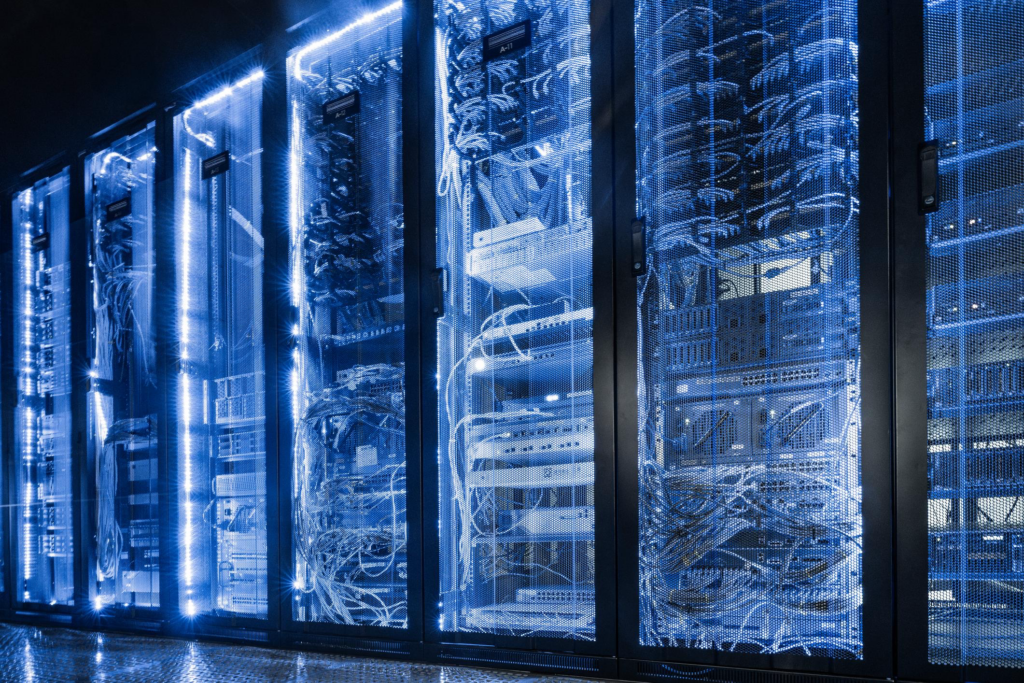
Cloud outages ripple globally. Streaming services, communication platforms, and financial applications rely heavily on AWS. A major outage in 2023 disrupted services from Disney+ to Slack.
Cloud infrastructure today functions as national infrastructure. Damage to data centres equals damage to economic continuity.
AI Fuels the Information War
Physical attacks grab headlines. AI-driven disinformation shapes perception quietly.
Cybersecurity firms warn that AI enhances phishing campaigns and identity fraud. Emails, once easy to spot, mimic human writing perfectly. Threat actors scrape professional profiles and craft tailored messages at scale.
Deepfakes add another layer. Video manipulation blurs truth and fabrication. Experts caution that organisations no longer trust audio or video alone. Multi-factor authentication and secondary verification methods grow essential.
Disinformation campaigns may target civilians to sway sentiment. Analysts note that themes often include fabricated military losses or exaggerated civilian harm.
Information warfare seeks narrative dominance. Control perception. Shape global opinion. Undermine morale.
Advanced Persistent Threat Groups Mobilise
Cybersecurity analysts report mobilisation of Iranian-linked groups such as APT42 and APT33. The groups have historically targeted the government, defence, and financial sectors.

SentinelOne and Anomali warn that Iran may rely more heavily on cyber retaliation when conventional capabilities face constraints. Cyber operations offer deniability. They scale quickly and cross borders silently.
Israel maintains advanced cyber capabilities through Unit 8200. The unit reportedly collaborates closely with American intelligence agencies. Past operations, such as Stuxnet, indicate how cyber tools can damage physical infrastructure without the visible deployment of troops.
The result forms a 6D digital chess match. Each side probes and each side counters.
Internet Shutdowns and Civilian Impact
Internet restrictions inside Iran further complicate the picture. Many organisations report severe connectivity limitations. Shutdowns suppress protest coordination but also disrupt businesses and communication.
Digital blackouts often accompany political unrest. They isolate populations from global discourse.
Meanwhile, hacker personas linked to intelligence agencies claim cross-border attacks. Attribution is complex. Governments deny. Analysts investigate. The fog of cyber war thickens.
Corporate Strategy Must Adapt
Modern enterprises cannot treat geopolitical tension as distant noise. Data centres operate globally. Supply chains stretch across borders.
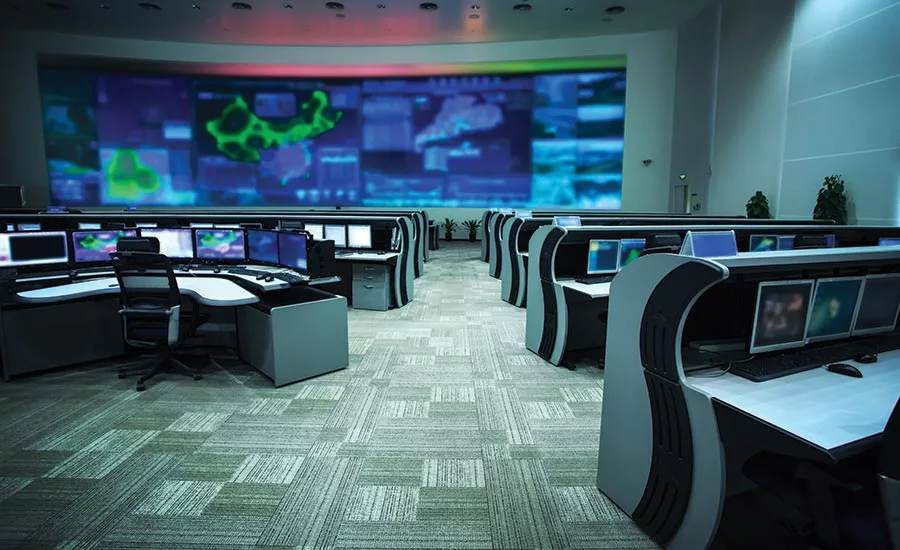
Executives increasingly treat cyber readiness as strategic defence, not IT housekeeping. AI agents also enter the equation. McKinnon warns that AI agents require clear guardrails. Poorly configured automation risks manipulation.
Security demands layered verification. Multi-factor authentication. Behavioural analytics. Zero-trust architecture.
Waiting to identify attack signatures no longer works. Threat actors iterate too quickly.
The Bigger Picture: Warfare Has Changed
Traditional warfare relies on territory control. Modern conflict targets influence and infrastructure.
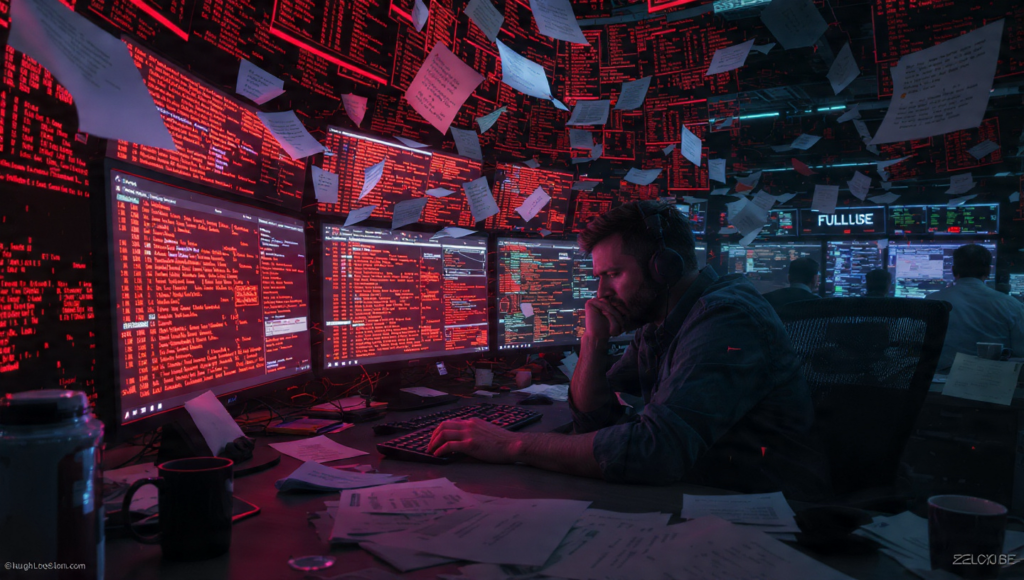
Missiles may destroy facilities. Malware can turn off entire industries. Deepfakes destabilise governments without firing a shot.
The Iranian conflict underscores this transformation. Digital operations amplify physical events. They also introduce independent escalation paths.
Cyber retaliation offers asymmetry. A smaller power can punch above its conventional weight through digital means.
Global corporations face an uncomfortable reality. They operate within geopolitical fault lines.
TF Summary: What’s Next
The Iranian conflict proves that warfare tech no longer supports conflict from the sidelines. It is at the core. Cyberattacks target infrastructure. AI manipulates perception. Cloud outages expose global interdependence.
MY FORECAST: Expect intensified cyber skirmishes as physical hostilities fluctuate. AI-enhanced phishing and disinformation will increase. Critical infrastructure will face heightened probing. Governments and enterprises will accelerate investment in zero-trust security and identity verification. Modern conflict will continue blending kinetic force with digital disruption. The next escalation may not arrive with missiles. It may arrive with malware.
— Text-to-Speech (TTS) provided by gspeech | TechFyle