


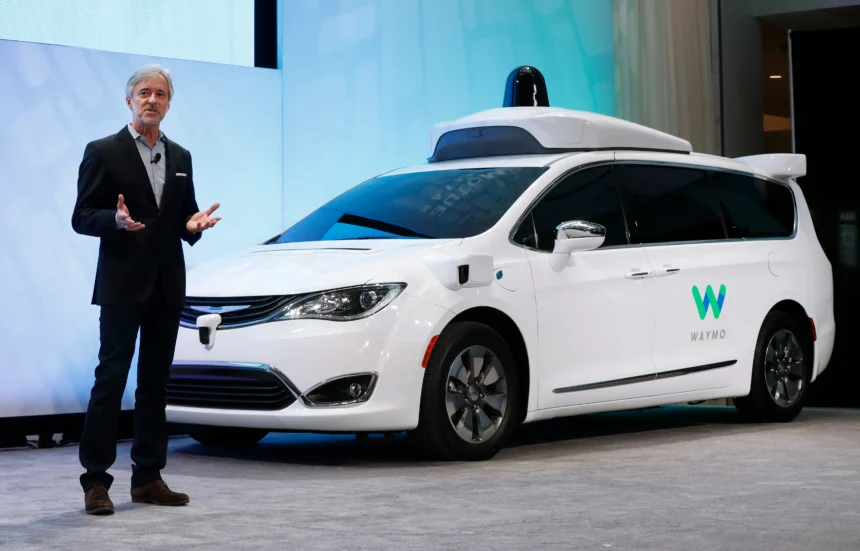
BMW’s hometown gets Waymo’s beachhead. Zero German permits held. And in London, where Uber and Wayve got their licenses three weeks ago, the regulator building the actual rulebook says it isn’t in a rush to finish it.
By Joseph Adebayo
Waymo confirmed Tuesday it will launch a commercial robotaxi service in Munich by late 2027, marking Alphabet’s first market inside the European Union and its third outside the US, following London and Tokyo. The company has already established a legal entity in Germany and will deploy all-electric Jaguar I-PACE vehicles. Waymo holds zero Level 4 testing permits in Germany, and the timeline depends on approvals from Germany’s Federal Motor Transport Authority (KBA), the state of Bavaria, and Munich city officials — none of which have been secured yet. The same week, a separate Guardian report confirmed London’s own robotaxi rollout, expected this year, is unlikely to happen in 2026 at all.
What’s Happening & Why It Matters
Why Munich?
The symbolism here is deliberate. Munich is BMW’s home city, is within an hour of Mercedes-Benz’s Stuttgart base, and is close to Volkswagen’s software unit, Cariad. Waymo is entering the heart of Germany’s traditional automotive industry — not a neutral testing ground, but a direct statement to the companies that have defined car manufacturing for a century.
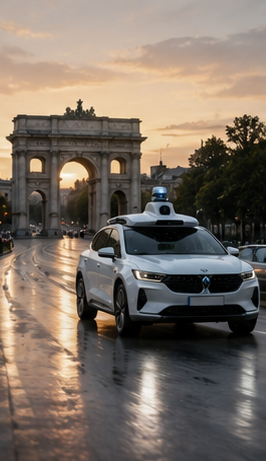
The rollout follows Waymo’s familiar three-phase template. Trained safety specialists will first drive vehicles through districts including Maxvorstadt, Au-Haidhausen, and Ludwigsvorstadt-Isarvorstadt, building detailed maps and gathering data on local traffic patterns. Autonomous test drives with a human safety driver follow. Only after that phase concludes do driverless runs open first to employees and media, then to paying passengers — the same sequence Waymo has used in Phoenix, San Francisco, and Los Angeles.
Waymo Isn’t First
Munich isn’t an empty field. Uber and Israeli AI firm Autobrains announced their own joint Munich robotaxi programme back in June, citing the city’s dense urban infrastructure and Germany’s existing legal framework as decisive factors. Unlike Waymo’s integrated hardware-and-software approach, Uber and Autobrains are building software designed to work across multiple car brands. Baidu intends to bring its RT6 autonomous vehicle to the Lyft app in Germany later this year. Mobileye and Volkswagen already hold Level 3 testing permits in Germany. Wayve and Autobrains have cleared that same Level 3 bar. Waymo holds none of it yet — it’s targeting Level 4 commercial operation, a higher regulatory bar than any competitor active in the German market has cleared.
As TF covered in Uber & Pony AI to Power 2000+ European Robotaxis, Uber and Pony AI committed to deploying 2,000 vehicles across five unnamed European cities just two weeks before Waymo’s Munich announcement — building on Pony AI’s April 2026 launch in Zagreb, Croatia, the first commercial robotaxi service anywhere in EU territory. Waymo’s Munich beachhead is a significant flag to plant. It isn’t the first flag planted in Europe, and it may not even be the first one operational by late 2027.
London’s Timeline Fell Apart
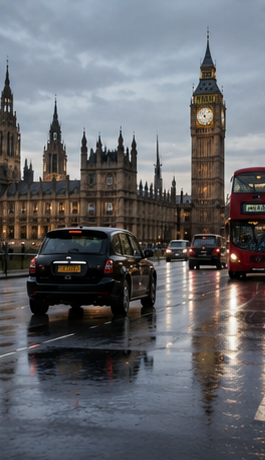
Here’s the more immediate story. Uber and Wayve received London’s first minicab licenses for self-driving rides on 5 August, allowing supervised rides with a human safety driver once approved — and said their fleet was “ready to go” back in June. More than 100,000 Londoners signed up on a waiting list. None of that has translated into an actual launch date, because Transport for London still hasn’t published the operational guidance companies need to begin service.
Christina Calderato, TfL’s director of strategy, was candid about the pace: “I do not think we are in a rush to get [the guidelines] out. There is a huge amount of work going on behind the scenes.” That’s a striking admission given the UK government’s own stated urgency — Transport Secretary Heidi Alexander accelerated the original commercial trial timeline by a full year in 2025, moving it up to spring 2026. The acceleration happened. The actual rulebook that would let anyone use it didn’t follow at the same pace.
TF Summary: What’s Next
Waymo’s first vehicles appear on Munich’s streets in the coming weeks, beginning the manual mapping phase. No confirmed timeline exists for when Waymo secures the necessary German permits. London’s supervised robotaxi launch, already delayed past its original 2026 target, has no new date attached after TfL admitted final guidance is unfinished. Baidu’s Apollo Go continues separate preparations for London through partnerships with Uber and Lyft.
MY FORECAST: Expect Munich’s late-2027 target to slip before it holds, given that Waymo holds zero German permits and competitors who already cleared Level 3 approval took longer than 14 months to reach commercial operation. The London situation is the more instructive case study, though — a government that accelerated its own timeline by a year, only to watch the regulator responsible for implementation admit it isn’t rushing. Watch whether that same pattern repeats in Germany. Regulatory enthusiasm at the national policy level seems to outpace the municipal and technical approval processes required to put a driverless vehicle on a public street, and nothing in either story TF has covered this week suggests that gap is closing.
Related Stories
- Robotaxis Go Public in Dallas as London Approves Its Own Trial
- Uber & Pony AI to Power 2000+ European Robotaxis
- Waymo Is Bringing Autonomous Rides to 4 New US Cities