



The attorney general asks whether chips or secrets reached China and whether Nvidia misled investors.
California Attorney General Rob Bonta (@AGBonta) served Nvidia with an investigative subpoena on 19 November 2026. The subpoena follows reports of former CEO Jensen Huang’s affair with a woman some US officials suspect of spying for China.
The state action adds a legal front to a scandal that began three weeks ago. TF has tracked each step, from the resignation to the petitions and the board’s response.
What’s Happening & Why It Matters
What the Subpoena Covers
The California Department of Justice is examining two questions. The first asks whether Nvidia’s advanced chips or confidential information reached China through Huang’s actions or the company’s. The second asks whether Nvidiamisled investors and the public about that risk, which Bonta says would break the law.
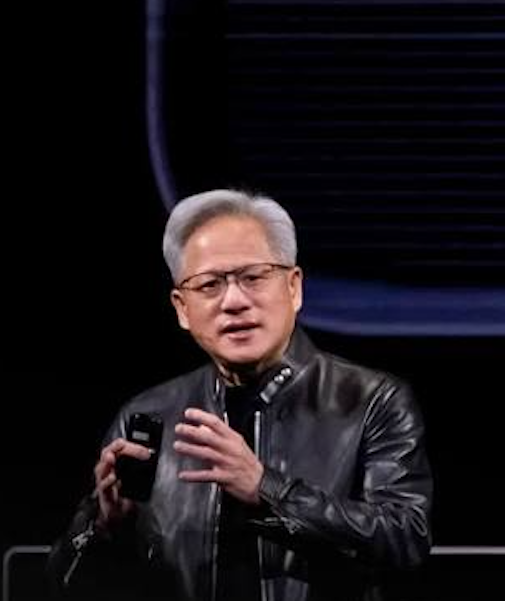
Bonta said the conduct “raises bright red flags” and added that companies cannot mislead their investors. The office has not published the subpoena’s document requests. The subpoena is an investigative step and carries no finding of wrongdoing.
How the Scandal Developed
The New York Times reported on 29 October 2026 that US intelligence linked Huang to Alice Huang, a former Megaspeed executive. She is not related to him. Some officials suspect she worked for Chinese intelligence. China denies the espionage claim. Huang acknowledged the affair, and Nvidia’s board opened an independent investigation.
Reports of more affairs, including two with Nvidia employees, followed. Huang resigned, and CFO Colette Kress is serving as interim CEO. Huang later offered to return, and tech figures including Elon Musk signed a petition for his reinstatement. Chairman Harvey Jones said the board does not plan to reappoint him.
TF reported the support and the board’s refusal in Support for Huang Amid Revelations, Investigations and Huang Not Returning.
Congress and the Company’s Response
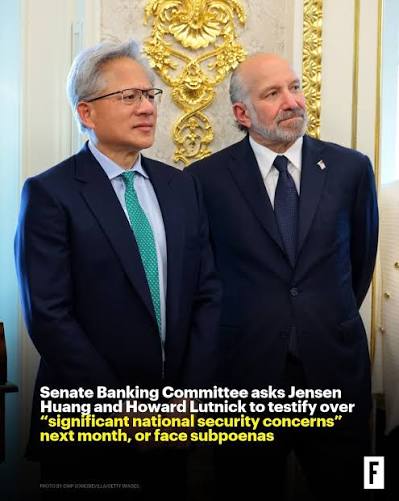
Huang agreed to a transcribed interview with three House committees on 1 December 2026. Nvidia general counsel Tim Teter is scheduled to appear the next day. Both are interviews and not public hearings.
Nvidia created a National Security and Export Control Oversight Committee. The board hired a law firm and an independent slate of directors to assess the damage. Kress said Nvidia stopped shipping licensed Hopper data center chips to China. Such sales reached $2.4 billion (about €2.14 billion) in the third quarter. Nvidia had not responded to requests for comment on the subpoena at publication.
What Is Unproven
No authority has shown that chips or secrets reached China, and no authority has shown that Nvidia broke securities law. US agencies are still working out the extent of Alice Huang’s ties to the Chinese government. Her status as a spy is a US government belief, and China rejects it.
The subpoena gives California a way to test the investor-disclosure question without waiting for federal agencies. Investors will watch whether Nvidia’s earlier statements on China risk match what the company knew.
My take: The subpoena moves the story from personal conduct to corporate disclosure, which is where the legal exposure lies. A state attorney general can act faster than Congress. Nvidia’s defence will rest on its export-control record. The open question is how much the board knew and when.
TF Summary: What’s Next
The next facts to watch are Nvidia’s response to the subpoena and the House interviews on 1 and 2 December. The board’s independent investigation has no published timetable.
MY FORECAST: Huang will take part in the House interview by 31 December 2026. At least one more US state or federal agency will confirm an Nvidia investigation by 31 March 2027.
Related Stories
- Support for Huang Amid Revelations, Investigations
- Despite Support and Success, Huang Not Returning as Nvidia CEO
- Anthropic Closes First Day Up 17% as AI Stocks Slump Worldwide
- Altman, Nadella and Luckey Set Out AI’s Risks at DealBook Summit
- Outages and AI Regulation Are the Flavour-of-the-Week