


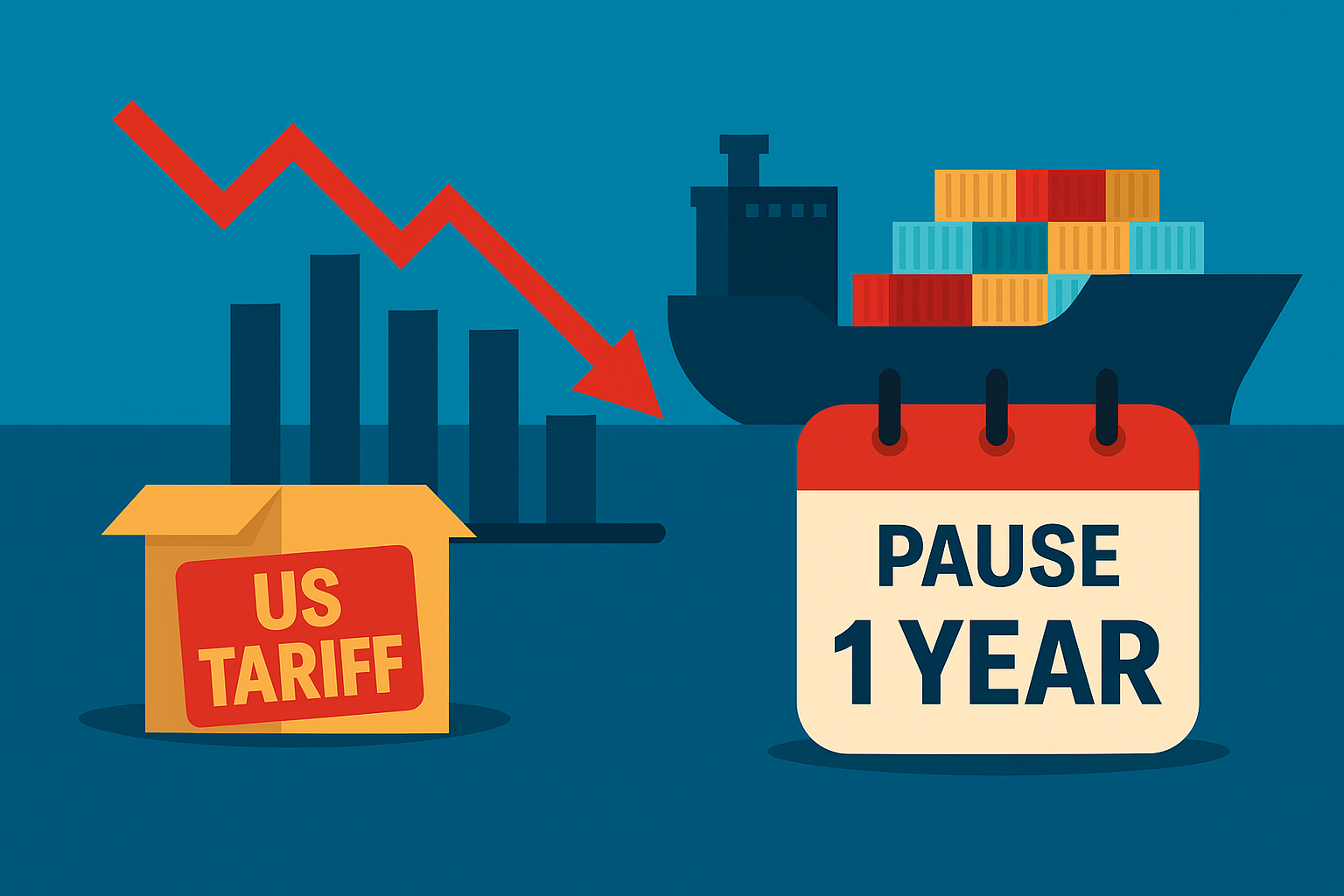
The GPU Tariff Was Slated to Begin in November 2025
PC builders breathed again this month. Washington held off a 25% tariff on graphics cards and other critical components from China. This pause arrived after trade talks between the U.S. and Beijing created room for an extension. The tariffs sat on schedule for activation this month, yet they stay shelved until late 2026. The delay brings relief to gaming circles, AI startups, and chip supply chains that fronted another round of price shocks.
Industry groups spent months urging the administration to stop the tariff trigger. Their argument: supply chains run through China for essential components, and alternatives carry higher costs and long waits. Many companies tried new suppliers during earlier trade battles, yet many returned to China for stability and predictable output. As lobbying intensified, tariffs stalled again.
What’s Happening & Why This Matters
Section 301 Pauses Again After Trade Talks
The White House extended the tariff pause after negotiations with China produced an arrangement that satisfied both sides. The U.S. Trade Representative confirmed the delay near Thanksgiving, and the extension pushed the earliest restart date to 10 November 2026. That created sudden predictability for hardware makers that braced for price hikes.
The pause caught many by surprise. GPU tariffs originated during Trump’s first term, and expectations pointed toward a full reinstatement this season. Instead, tariffs stayed dormant as broader trade strategies reshaped Washington’s stance toward China and other manufacturing hubs.
PC Hardware Prices Stay Stable… For Now
The pause means graphics card prices avoid sudden inflation. Retail prices already climbed earlier this year due to memory shortages and soaring DDR5 costs. The AI boom stressed memory supply, and RAM prices jumped more than 200%, squeezing budgets for PC builders and data-center operators.
A 25% tax on GPUs, motherboards, and PC cases would force prices higher. Instead, the delay shields consumers, cloud providers, and gaming PC manufacturers from an extra financial punch. This builds short-term stability across U.S. hardware markets.
Industry Groups Say Supply Chains Still Depend on China

The Consumer Technology Association argued that companies still rely heavily on China for specialized components. CTA warned that many manufacturers returned to Chinese suppliers after tariff uncertainty rose across Vietnam, Cambodia, and other emerging hubs. Shifting production created risk through inconsistent volume and longer lead times. CTA stated plainly that “rapid substitution [is] impractical.”
The group represents companies in the tech spectrum, including Apple, Nvidia, and Samsung, and its position shaped Washington’s decision.
TF Summary: What’s Next
The tariff pause buys time. GPU pricing is stable during a year marked by AI demand, memory shortages, and a scramble for advanced chips. Companies use the reprieve to reassess sourcing, negotiate new supplier contracts, and set strategy for next-year rollouts.
MY FORECAST:
Washington restarts tariff pressure in new ways. Chip-focused measures return inside Section 232 or new trade tools. Hardware manufacturers prepare for turbulence again. Supply chains fragment. Prices climb across GPUs and RAM as AI demand stretches global output. Consumers feel the squeeze again.
— Text-to-Speech (TTS) provided by gspeech