


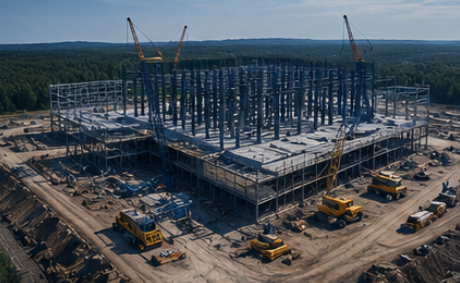
$9.1 billion. Closed-loop cooling that draws zero water from local sources. A dedicated 932-megawatt natural gas power plant built specifically to feed it. Alberta says its grid can’t support multiple facilities— so it’s prioritising the projects that bring their own power. Meta just became that project.
Meta confirmed a new investment — an Alberta AI data centre — the company’s first AI data centre in Canada and its largest outside the United States. Meta said it will invest more than 13 billion Canadian dollars ($9.1 billion) to build the facility in Sturgeon County, Alberta. The site will be powered by a natural gas-fired plant being developed by a consortium that includes Calgary-based Pembina Pipeline Ltd., Morgan Stanley Infrastructure Partners, and Kineticor Asset Management. Alberta Technology and Innovation Minister Nate Glubish called the project “a big deal for Alberta,” saying the province had created a regulatory model specifically to attract data centre investment. Meta also confirmed the data centre will use a closed-loop cooling system that won’t draw water from surrounding sources — and plans to invest a further US$42 million in local infrastructure, including roads and water systems.
What’s Happening & Why It Matters
Alberta — a Grid Built for a Customer at a Time
Meta’s Alberta AI data centre investment is a deliberate provincial strategy, not an opportunistic one. Because Alberta’s electricity grid cannot support multiple large AI data centres, the province is prioritising projects that build or secure their own power supply. Last week, the Pembina-led consortium announced it would proceed with the Greenlight Electricity Center in Sturgeon County. Meta was identified on Wednesday as the customer that the project was built to serve.
The 932-megawatt power plant is expected to begin operating in the second half of 2030 — meaning the electricity-generation infrastructure and the data centre that demands it are being developed as a single, coordinated unit. Instead, Meta is not simply plugging into existing grid capacity that other users depend on. As TF covered extensively in its C40 Cities data centre pact article, the “bring your own power” model is precisely the standard mayors and environmental campaigners globally have been demanding from AI infrastructure developers throughout 2026.
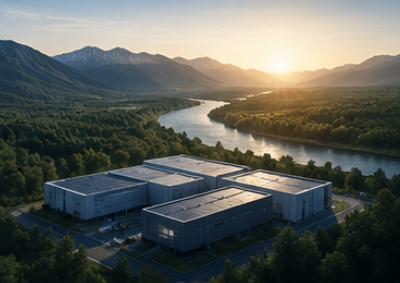
Closed-Loop Cooling
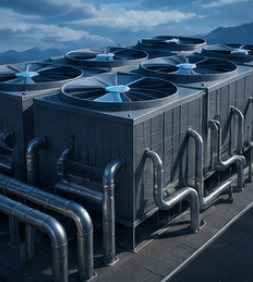
Meta’s Alberta AI data centre investment specifically addresses the water consumption criticism that has dogged AI data centre expansion throughout the year. Meta confirmed the facility will use a closed-loop cooling system that won’t draw water from surrounding sources. As TF reported in the Amazon water disclosure article, data centre water consumption is one of the most scrutinised aspects of AI infrastructure buildout globally in 2026 — Amazon disclosed that it used 2.5 billion gallons across its global operations in 2025 alone.
By contrast, closed-loop systems recirculate the same coolant continuously rather than drawing and evaporating fresh water — eliminating the ongoing consumption concern, though at a typically higher energy cost than evaporative cooling. Meta choosing a zero-water-draw design for its largest non-US facility is a direct and deliberate response to the specific critique. That critique has generated moratoriums, mayoral pacts, and UN transparency initiatives throughout the year.
The Meta Infrastructure
Meta’s Alberta AI data centre investment is the same week Meta faces backlash over its Muse Image AI tool’s consent practices — as TF covered separately in its Muse Image backlash article. It is the same week Meta is lobbying Congress for KOSA liability immunity, as TF covered in its Meta KOSA article. That juxtaposition is not coincidental — it is Meta‘s current operational posture across every front simultaneously. Meta is proceeding with aggressive AI capability deployment, aggressive AI infrastructure buildout, and aggressive regulatory management, all at the same time.
The Canadian expansion fits a pattern TF has tracked across the entire hyperscaler sector throughout 2026. Google, Microsoft, and Amazon have all pursued comparable international data centre expansion — as TF covered in its Choose France article and Amazon Delivering the Future article. Each company is seeking jurisdictions offering favourable energy access, regulatory policies, and reduced exposure to any single national policy environment.
TF Summary: What’s Next
Construction of the Sturgeon County facility begins following the announcement and is coordinated with the Greenlight Electricity Centre’s development timeline. The dedicated 932-megawatt power plant is expected to begin operating in the second half of 2030 — meaning full data centre operation is likely to follow that power availability date. Meta‘s US$42 million local infrastructure investment, covering roads and water systems, proceeds alongside the main facility build.
MY FORECAST: Meta’s Alberta AI data centre investment is the reference model that other hyperscalers cite when negotiating with provinces and states resistant to new data centre approvals. The combination of dedicated, self-supplied power generation and zero-water-draw cooling directly addresses the two most common objections raised by cities and regulators throughout 2026. By contrast, the 2030 power plant timeline reveals the genuine constraint facing every AI infrastructure developer today. The compute demand exists today, but the clean, dedicated power generation required to serve it responsibly takes years to build regardless of capital availability. Expect Alberta to announce at least one additional major hyperscaler data centre commitment within 12 months. The Meta deal will serve as proof that its “bring your own power” regulatory framework successfully attracts investment that other provinces and states are still struggling to secure on comparable terms.
Related Stories
- 40 Mayors Demand Standards for AI Data Centres — the UN Wants Transparency Too
- Amazon Data Centres Used 2.5 Billion Gallons of Water in 2025
- Meta’s Muse Image Consent Backlash