



By using this site, you agree to the Privacy Policy and Terms of Use.
Accept
TechFyle | TFTechFyle | TFTechFyle | TF
  • Latest News
    • Articles
      • Analysis
      • Reviews
        • Phones & Tablets
        • Laptops & PCs
        • Software & Apps
      • TF Africa
      • TF Americas
      • TF APAC
      • TF Europe
      • Media
    • Reviews
    • AI
    • Transportation
    • Hardware
    • Internet & Cloud
    • Gadgets
    • Cybersecurity
    • Society
  • Register
  • My t/f
    • Member Login
    • My Feed
    • My Saves
    • My Interests
    • Profile
    • Password Reset
  • VentureHub
  • Tech Week In Review
  • About TF
  • en
    • en
    • fr
    • de
    • pt
    • es
Notification Show More
Font ResizerAa
TechFyle | TFTechFyle | TFTechFyle | TF
Font ResizerAa
  • Register
  • Login
  • Interests
  • Feed
  • Saved
  • Latest News
    • Articles
    • Reviews
    • AI
    • Transportation
    • Hardware
    • Internet & Cloud
    • Gadgets
    • Cybersecurity
    • Society
  • Register
  • My t/f
    • Member Login
    • My Feed
    • My Saves
    • My Interests
    • Profile
    • Password Reset
  • VentureHub
  • Tech Week In Review
  • About TF
Have an existing account? Sign In
  • My Feed
  • My Interests
  • History
  • My Saves
TechFyle | TF > Reporting > TechFyle > Iran Tells Citizenry to Delete WhatsApp to Avoid ‘Targeting’

Iran Tells Citizenry to Delete WhatsApp to Avoid ‘Targeting’

Iran Claims WhatsApp Aids Israeli Targeted Strikes

Adam Carter
Last updated: 11 months ago
By Adam Carter Add a Comment
Share
SHARE

Iran’s state media urges citizens to delete WhatsApp from their smartphones, claiming, without clear proof, that the app collects user data for Israeli intelligence. This warning comes amid ongoing tensions and digital restrictions, raising concerns about privacy and access to communication in Iran.


What’s Happening & Why This Matters

Iranian state television accuses WhatsApp of gathering sensitive user information and funneling it to Israel. These claims lack concrete evidence but prompt official calls for users to uninstall the app to avoid being “targeted.” The warning feeds into Iran’s broader digital censorship and surveillance strategy.

WhatsApp, owned by Meta, counters the allegations. The company states it uses end-to-end encryption, ensuring only senders and recipients can read messages. WhatsApp insists it does not track users’ precise locations, keep logs of contacts, or share private messages with any government.

In its statement to the Associated Press, WhatsApp warns that false claims might justify blocking its services when users need them most.
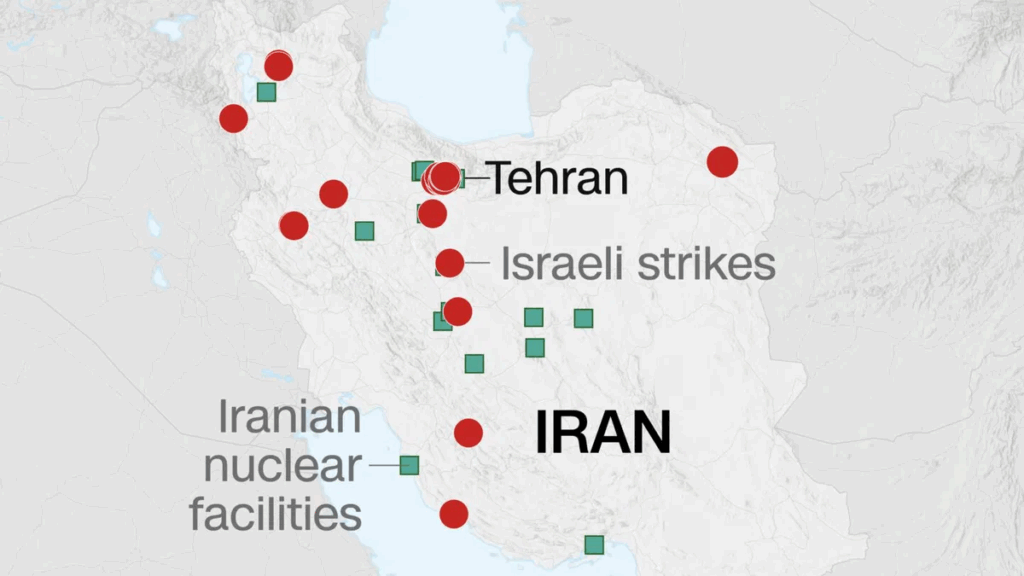
Israeli Strikes in Iran, as of June 17, 2025. (Credit: CNN)

Despite encryption, cybersecurity expert Gregory Falco notes that some WhatsApp metadata—information about how users interact with the app — remains accessible. This data can reveal usage patterns even if message content stays private. Falco highlights that concerns over metadata privacy have driven some users away from WhatsApp.

Falco also points out challenges with data sovereignty, where WhatsApp data from Iran might be stored outside the country. This situation raises trust issues around global data infrastructure and fuels demands for in-country data hosting and local processing.

Iran previously restricted WhatsApp during mass protests in 2022 following the death of Mahsa Amini, intensifying control over digital communication. Today’s announcement may signal further clampdowns on digital freedoms.

WhatsApp remains popular in Iran alongside apps like Telegram and Instagram. Blocking or limiting access could disrupt millions of users who rely on these platforms for private and public communication.


TF Summary: What’s Next

Iran’s push to remove WhatsApp identifies ongoing digital control and surveillance concerns. The government’s claims lack direct proof but create pressure to limit communication tools.

Privacy and data sovereignty remain key concerns worldwide, particularly in politically sensitive regions. How Iran and similar countries handle encrypted messaging apps will influence the future of digital rights and user safety.

— Text-to-Speech (TTS) provided by gspeech

[gspeech type=full]

Adam Carter 11 months ago 11 months ago
Share This Article
Facebook Twitter Copy Link Print
Avatar photo
By Adam Carter “TF Enthusiast”
Background:
Adam Carter is a staff writer for TechFyle's TF Sources. He's crafted as a tech enthusiast with a background in engineering and journalism, blending technical know-how with a flair for communication. Adam holds a degree in Electrical Engineering and has worked in various tech startups, giving him first-hand experience with the latest gadgets and technologies. Transitioning into tech journalism, he developed a knack for breaking down complex tech concepts into understandable insights for a broader audience.
Leave a comment Leave a comment

Click here to cancel reply.

Please Login to Comment.

Related Stories

Uncover the stories that related to the post!

Cybertruck Driver Pulled From Lake in Failed Wade Mode Test

By Joseph Adebayo May 20, 2026

Security Tech: Microsoft Passkeys, FBI’s License Plate Reading

By Eve Harrison May 20, 2026

AI Behaving Badly #13: Elections, Jobs, and Unions

By Li Nguyen May 20, 2026

Pope Leo Authoring Humanity-AI Piece With Anthropic

By Li Nguyen May 19, 2026

X Limiting Select Users’ Daily Posts, Replies

By Sophia Rodriguez May 19, 2026

Mythos: Reporting on macOS, Finance Industry Security

By Li Nguyen May 19, 2026

Social Media: Settlements and Restrictions Run Amuck

By Sophia Rodriguez May 19, 2026

OpenAI v. xAI: Jury Hands Musk a Loss

By Adam Carter May 18, 2026
Show More
TechFyle | TF

To illuminate and provide knowledge anywhere through which technology flows

Quick Links

  • My Feed
  • My Interests
  • History
  • My Saves

Company

  • Privacy Policy
  • Terms and Conditions
  • Cookie Policy

Copyright TechFyle 2024. All rights reserved.

Welcome Back!

Sign in to your account

Register Lost your password?