

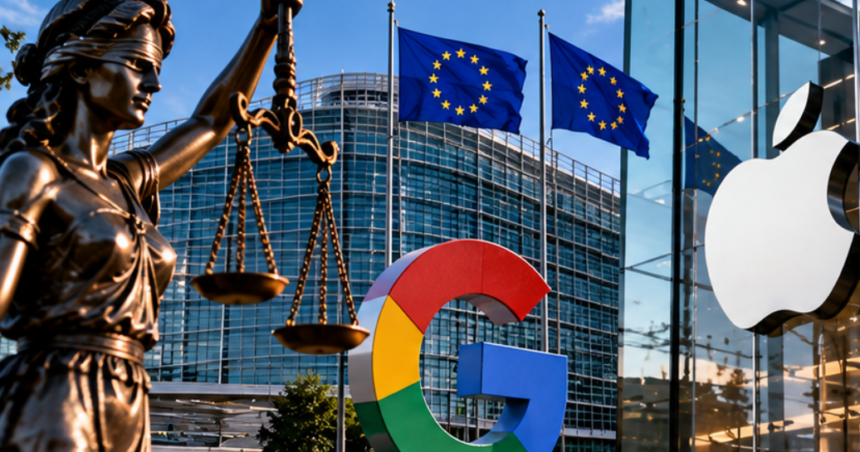
One company is refusing to hand over your search history. The other just found out its Taptic Engine cost more than most countries’ annual defence budgets.
Google filed an appeal against two EU orders on 29 September 2026, and a San Diego jury handed Apple a patent verdict worth more than $5.7 billion three days earlier. Neither case touches the other, but both show the same pattern: regulators and courts are comfortable forcing the world’s largest tech companies to open their products, or pay for the parts they didn’t build themselves.
What’s Happening & Why It Matters
Google Says Sharing Search Queries Would Cause “Irreversible Harm”
The European Commission ordered Google in July to share search data with rival engines from January 2027, and to open Android to competing AI services by next July. Google filed its challenge with the EU’s General Court in Luxembourg on Monday. “We’re appealing decisions that will force us to share people’s private search history without sufficient anonymisation and weaken vital security protections on Android,” said Oliver Bethell, Google’s senior director for competition.
Google’s argument rests on two claims. First, that Android is already open and interoperable, so the order adds no real competition benefit. Second, that the search-sharing requirement lacks adequate safeguards, user knowledge, or consent. “People use Search for their most personal questions, from medical worries to close relationships, and mandating we share these personal queries without adequate safeguards would cause irreversible harm to user privacy,” Bethell said. The Commission’s stated goal is to “rebalance the playing field” for search competitors after years of Google’s dominance.
TF examined the same company running out of appeals before. As reported in Google Loses Its Appeal Against a Record €4.1 Billion EU Fine, Google’s last major Android challenge failed after years of litigation. This appeal starts that clock again, on a different legal basis, under the Digital Markets Act rather than traditional antitrust law.
Jury: Apple’s Taptic Engine Was Never Apple’s
A federal jury in the Southern District of California found on 25 September that Apple’s Taptic Engine infringes two patents owned by Taction Technology, a San Diego company that builds haptic feedback systems for headphones and gaming headsets. The patents cover vibration-based tactile transducer technology, the kind of engineering that lets a phone simulate a physical click or thump. Damages: more than $5.7 billion.
The case took five and a half years to reach trial. Taction first sued in 2021, alleging Apple was “capitalizing on Taction’s innovation and success” by selling iPhones and Apple Watches built on technology Apple never licensed. A federal judge dismissed the case in 2023, and the Federal Circuit revived it a year later. The jury found infringement, but not wilful infringement, a distinction that limits how much Taction can claim beyond the base damages award.
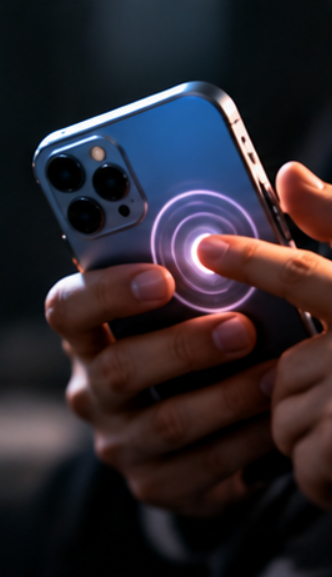
Apple disputes the finding. “The Taptic Engine is fundamentally different from Taction’s technology, which Taction’s testing of Apple’s products confirmed during trial,” the company said, adding it will appeal. Taction’s lawyer, Tigran Guledjian of Quinn Emanuel, noted the win: “Taction waited five and a half years for this case to get to trial, so it was a long time coming.”
Complicating an Underdog Story
Discovery revealed Taction received litigation financing from Gronostaj Investments and Kenosha Investments, entities identified in separate litigation as indirect subsidiaries of Burford Capital, one of the world’s largest litigation funders. Apple spent part of the trial trying to surface that connection, arguing it complicates the picture of a small company defending its own invention against a trillion-dollar defendant.
That detail doesn’t change the jury’s finding. It does explain why a five-and-a-half-year patent fight against Apple’s legal team was financially possible for a company Taction’s size in the first place. Litigation funding is a standard feature of major patent disputes, and this case shows how a funder’s involvement surfaces once the stakes get large enough for opposing counsel to make it an issue.
TF Summary: What’s Next
Google’s appeal proceeds through the EU’s General Court, with no ruling expected before the January 2027 search-sharing deadline it’s trying to block. Apple has confirmed it will appeal the Taction verdict to the Federal Circuit. Neither company has indicated a settlement is under discussion in either case.
MY FORECAST: Expect Google’s appeal to fail on the same timeline as its Android case, given the Commission’s consistent pattern of winning these fights on appeal once a DMA order is issued. The Taction verdict is the more interesting one to watch: a $5.7 billion award survives appellate review far less often than it survives a jury, and Apple’s testing evidence, cited in its statement, gives the Federal Circuit a specific technical basis to revisit. Watch whether other haptic patent holders file comparable suits against Samsung and Google that a jury has put a number this large on the technology.
Related Stories
- Google Loses Its Appeal Against a Record €4.1 Billion EU Fine
- EU Fines Google €890 Million for Favouring Its Own Apps
- Ireland Fines Google €403 Million Over Location Data