


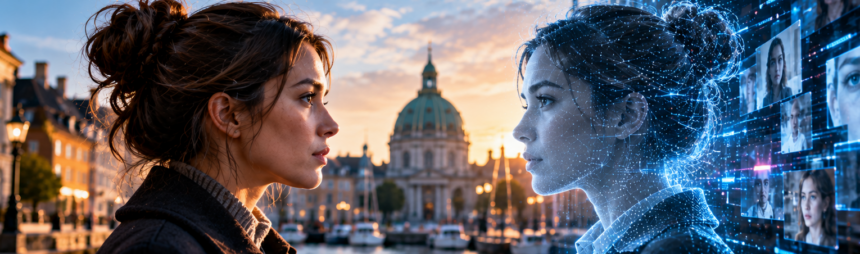
Culture Minister Zenia Stampe wants platforms to remove manipulated content fast. Satire stays legal, and courts will draw the line.
Denmark introduced a bill on 8 October 2026 to ban sharing realistic deepfakes of people’s faces and voices without consent. Culture Minister Zenia Stampe presented the amendment to the country’s copyright law. It would protect ordinary people and artists, including against digital imitations of their performances. Stampe hopes the law takes effect at the start of 2027, once parliament approves it.
The bill follows a political agreement reached in June 2025 under the previous government. Copyright law is an unusual tool for the job. TF shared an alternative route in Meloni Seeks EU Trademark for Her Voice to Fight Deepfakes.
What’s Happening & Why It Matters
What the Bill Does
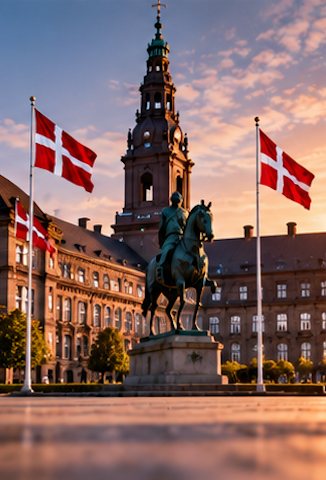
The bill amends Denmark’s Copyright Act to ban making realistic digital imitations of a person’s appearance or voice available to the public without consent. The 2025 draft did this through two new provisions. Section 65a covers performing artists, and section 73a covers any natural person, per law firm Dennemeyer’s summary.
Stampe says one of the main goals is to make platforms “take down manipulated content quickly” and so limit harm. Her predecessor, Jakob Engel-Schmidt, said last year that platforms could face severe fines for failing to remove deepfakes. Coverage of the new bill gives no penalty figures.
Satire Stays Legal
The bill exempts caricature, parody, satire, and political or social criticism. The exemption ends where content is misinformation that poses serious dangers to others, Euronews reports. Stampe acknowledged the line is hard to draw. Courts would decide whether satire excuses illegal content, DR reported.
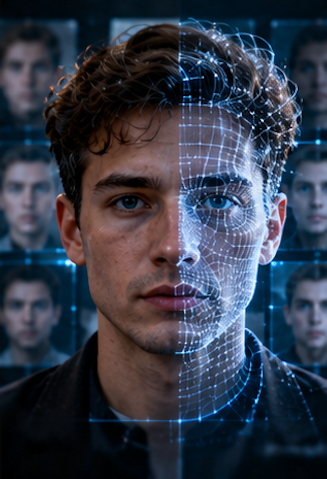
Stampe spoke from experience. A picture of her turned into a video that appeared to show her speaking, and she found it intrusive. She also cited Socialist People’s Party (SF) politician Karsten Hønge, who has been the target of hundreds of false posts about Greenland.
Why Copyright Law?
Copyright law supplies takedown tools. Under the 2025 proposal, individuals could issue takedown notices, claim compensation even without reputational harm, and trigger platform liability if hosts fail to act, Schjødt’s summary says.
The label has critics. The European Commission raised substantial concerns in March, according to Dutch firm ICT Recht. It argued the rules aren’t copyright in the strict sense, because copyright protects originals that reflect an author’s intellectual creation. It noted several member states see deepfakes as a challenge beyond copyright. Denmark notified the draft through the EU’s TRIS system, and the Commission commented.
Italy, the US, and Denmark
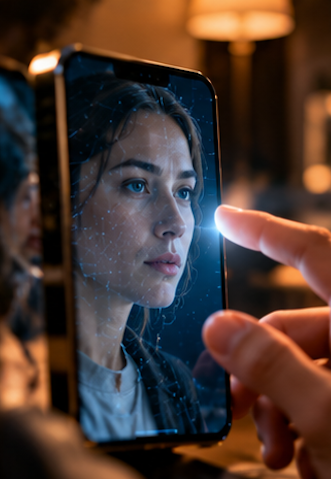
Other governments and public figures are testing other tools. Italian Prime Minister Giorgia Meloni applied to trademark her voice. Italy also criminalised harmful deepfake sharing in Law 132/2025, with one to five years in prison. In the US, Taylor Swift filed trademark applications for her voice and image in April. France banned sharing AI-made images or audio without consent in a 2024 criminal-code update, Euronews reported last year.
Denmark’s route is civil. It gives individuals a right to demand removal and places the burden on platforms. Engel-Schmidt said last year that France and Ireland had shown interest in the Danish model. TF covered the EU-wide labelling duties in EU Makes AI Labels Mandatory for Realistic Synthetic Content.
TF Summary: What’s Next
Parliament must approve the bill, and Stampe hopes it takes effect at the start of 2027. Coverage gives no vote date or penalty figures. The Commission’s concerns about the copyright label could shape the final text. Courts would set the satire boundary on a case-by-case basis.
MY FORECAST: Expect the bill to pass with cross-party support, because many parties backed the 2025 agreement. Expect platforms to fight over how fast they must remove content, because speed is the bill’s central demand. Expect the Commission to keep questioning whether copyright is the right legal basis. Watch whether France or Ireland copy the Danish model before the end of 2027.
Related Stories
- Meloni Seeks EU Trademark for Her Voice to Fight Deepfakes
- EU Makes AI Labels Mandatory for Realistic Synthetic Content
- ChatGPT’s Images 2.5 Turns Doodles Into Finished Photos
- Users Rebel Against Labs’ AI Watermarking
- EU Plans Social Media Restrictions for Teens