


A Grounded US Sky, an Unpatched Windows Exploit, Face Theft, a Vendor Breach and an AI Wallet
The TF cybercrime round-up for 13 to 15 November 2026 covers five stories of trusted systems failing or drawing attackers. Officials found no evidence of an attack in the air traffic outage. The other four involve attackers, researchers or new risks.
The stories span infrastructure, operating systems, identity, vendors and payments. TF sees one thread through all five, which is heavy trust in a single component or supplier. TF covered the same pattern in its single provider dependency analysis.
What’s Happening & Why It Matters
US Air Traffic Outage Grounds Every Flight
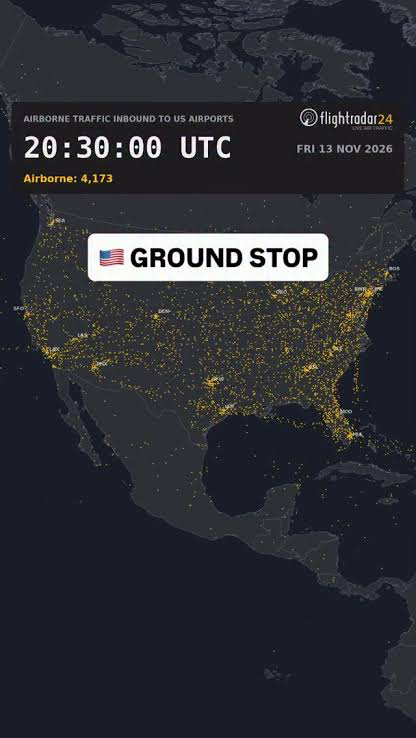
The FAA issued a nationwide ground stop at 15:54 ET on Friday 13 November. Communication problems had hit multiple Air Route Traffic Control Centers. The agency lifted the stop at 20:15 ET, after 4 hours and 21 minutes. CNBC reports almost 8,000 cancellations and more than 10,000 delays.
Officials gave no final cause. Transportation Secretary Sean Duffy blamed overloaded, outdated communications equipment, per Axios. Homeland Security Secretary Markwayne Mullin said no evidence ties the failure to a cyberattack. Other accounts blame a router installed in a copper-to-fibre upgrade, or a private network update and reboot. Duffy said the FAA’s AI-based SMART tool played no role.
SignDrop Windows Zero-Day Awaits a Patch
Researcher Abdelhamid Naceri, who publishes as Nightmare Eclipse, released SignDrop exploit code on GitHub on Tuesday 10 November. Microsoft shipped its November updates the same day. The flaw is in the Common Log File System and gives a local user SYSTEM rights. No CVE or patch exists, and Microsoft says it is investigating and sees no attacks so far.
Researcher Will Dormann reproduced the exploit, per Ars Technica. He says it needs Windows 11 26H2 on a system older than 90 days with a set registry value. Naceri estimates 80% of Windows installs are exposed, per BleepingComputer, so the two accounts differ. The Hacker News says three of his earlier Defender flaws were exploited in attacks.
FBI Warns of the FaceStealer Scheme
The FBI warned on 12 November of a North Korean scheme called FaceStealer. Attackers use stolen webcam videos and hijacked Telegram, LinkedIn, Slack and Discord accounts to invite contacts to fake video meetings. The FBI attributes the scheme to APT 38, known as Bluenoroff.
Under a federal warrant, the FBI seized more than 900 victim webcam videos and disrupted infrastructure. TechTimes says the FBI ties $400 million (about €356 million) in crypto theft to the operation. The FBI says the scheme relies on real stolen videos, with deepfakes an emerging addition. It advises confirming meeting invitations through a second channel.
Uber Drivers’ Licence Data Stolen Through a Vendor
Uber confirmed hackers stole personal and driver’s licence data of its drivers from a third-party vendor, per TechCrunch. TechCrunch named the vendor as Fireworks AI, though Uber did not. Hackers broke into Fireworks, stole credentials and used them to reach Uber’s data. Fireworks blames a profit-driven group selling stolen access tokens for large language models. No group has claimed the theft.
Fireworks notified Uber on 9 October, and notices have gone to several US state attorneys general. Massachusetts lists 2,567 people, South Carolina 3,430 and Rhode Island 1,873. Uber has not given a total, and TechCrunch expects the figure to rise. Notion confirmed the Fireworks breach exposed its data too. Uber has disclosed a second breach in 2026.
ChatGPT Wallet Puts Card Payments in Agents’ Hands
OpenAI launched ChatGPT Wallet on 13 November for US ChatGPT Pro subscribers aged 18 or older. The wallet runs inside dots agents and accepts eligible US-issued Visa, Mastercard and American Express cards. Users approve each purchase with a biometric check. Tokenized credentials keep the real card number from agents.
OpenAI plans to let users delegate purchases within spending limits, categories or time periods later. The launch needs approval for every purchase. Card fraud, merchant blocks and agent mistakes are the risks regulators and card networks will test.
My take: Four of the five stories involve a supplier or shared component, and the fifth shows a failed network at national scale. Defenders should list the vendors, tokens and credentials they trust, then test what happens when one breaks. The FAA outage had no attacker and grounded a country. Uber’s driver data left through a vendor.
TF Summary: What’s Next
The FAA still owes the public a root cause for the ground stop. Microsoft must decide whether to patch SignDrop on 8 December or sooner. Uber’s total count and the first real-world use of ChatGPT Wallet will show how large these risks are.
MY FORECAST: Microsoft will issue a fix or CVE for SignDrop by 8 December 2026. Uber’s breach notices will cover more than 10,000 drivers by 31 December 2026.
Related Stories
- TF Cybercrime Round-up: 11 November 2026
- TF Analysis: The Hidden Cost of Single Provider Dependency
- Microsoft 365 Outage Hits Outlook and Teams Worldwide
- France Blames Iran’s Revolutionary Guards for European Fridge Hacks
- Apple Wants Siri to Act as an Agent, and Bloomberg Says an Agent Could Arrive in 2027