



300 million health questions a week, up from 230 million in January. Apple Health, Epic, and Oracle Health all connect. The launch is one day after a Florida pastor sued, claiming ChatGPT told him not to see a doctor. HIPAA doesn’t cover any of it.
This article discusses mental health, medical advice, and AI chatbot use at a policy level.
ChatGPT Health’s full US rollout launched, expanding to every logged-in US user aged 18 and over across all pricing plans. OpenAI first piloted the feature in January through a dedicated hub, letting users connect data from Apple Health, Function, and MyFitnessPal alongside personal medical information. Results were, by 9to5Mac’s description, “lackluster” — prompting a months-long rebuild before the launch. Users can connect electronic health records through a partnership with b.well, aggregating data from roughly 2.2 million US healthcare providers, alongside hospital systems including Epic and Oracle Health. Health-related queries have grown from 230 million to 300 million per week, according to OpenAI. The relaunch arrived one day after a Florida pastor sued the company, alleging ChatGPT gave him a near-fatal suggestion not to consult a doctor.
What’s Happening & Why It Matters
What ChatGPT Health Does
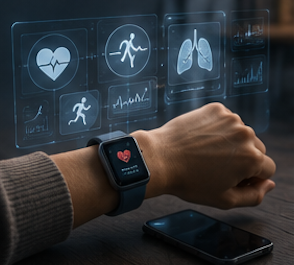
ChatGPT Health’s full US rollout appears as a dedicated tab in the ChatGPT sidebar, distinct from standard conversation threads. With a user’s permission, the feature draws on connected medications, lab results, recent visits, sleep, and activity data. Users can ask it to summarise what changed since their last physician appointment, compare new lab results against prior ones, or explore how sleep and exercise patterns relate to their health. OpenAI confirmed the feature runs on GPT-5.6 Sol and GPT-5.5 Instant, with the newer model showing stronger results on HealthBench evaluations compared to its predecessor.
By contrast, medical record integration is US-only — other aspects of ChatGPT Health are available globally, excluding the EU, Switzerland, and the UK. OpenAI states it collaborates with physicians to train the models and does not use connected personal health data to train its foundation models — a distinction the company has emphasised given the sensitivity of what users are being asked to share.
The HIPAA Gap

ChatGPT Health’s full US rollout operates outside a regulatory framework most users assume protects their medical data. HIPAA does not cover health information once it enters OpenAI‘s systems through ChatGPT — that data is instead protected only by OpenAI’s own privacy policy, not federal medical privacy law. Fitness apps and wellness platforms have operated in that same regulatory gap for years; what’s new is the scale of what ChatGPT can do with that data once connected.
OpenAI has been direct that the feature is “never intended for diagnosis or treatment” and that all responses are informational only. A company spokesperson told the New York Times the team is “working tirelessly to make medical advice safer.” The stance is against the lawsuit filed one day before the launch — a plaintiff alleging the chatbot’s informational view produced a decision with life-threatening consequences.
Why Turn to AI for Emotional Support?

ChatGPT Health’s full US rollout follows a parallel, murkier trend TF has tracked throughout 2026: growing use of general-purpose chatbots for mental health support. Mental Health UK reported in late 2025 that 37% of adults had used AI chatbots to support their wellbeing. Psychotherapist Cecilia Paredes Aldama told Euronews she has not yet seen patients replace therapy with ChatGPT outright — but she does see them using it to draft messages, communicate more assertively, or prepare for difficult conversations. “It’s a resource, especially for people who don’t want to lay their problems bare in front of others,” she said.
By contrast, both Paredes and fellow expert Cruz Urquiza identify the same fundamental limit. “The main risk I’ve observed is that ChatGPT tends to be over-empathetic, which does not amount to real long-term therapeutic help,” Urquiza said, grounding her view in interpersonal neurobiology research. “Real therapeutic change happens in the resonance between two human beings.” As TF covered in its Meta parental alerts article, OpenAI has itself disclosed that more than 1 million people a week discuss suicide planning or intent with ChatGPT — a figure that puts the therapeutic-substitute conversation in sharper relief.
TF Summary: What’s Next
ChatGPT Health is live for all logged-in US users 18 and older, across Free, Go, Plus, and Pro tiers, on web and iOS. Medical record integration is limited to the US. The Florida pastor’s lawsuit proceeds through the courts. OpenAI has not announced a timeline for extending medical record integration to the EU, Switzerland, or the UK.
MY FORECAST: ChatGPT Health’s full US rollout will generate meaningful adoption given the scale of existing health-query demand, but the HIPAA gap is a regulatory flashpoint within 12 months — expect state attorneys general, already active against OpenAI on child safety grounds as TF has covered, to extend scrutiny toward medical data handling. By contrast, the therapeutic-substitute question will prove harder to resolve through product design alone. Paredes and Urquiza’s shared conclusion — the therapeutic change requires human connection no algorithm can replicate — describes a limitation ChatGPT Health cannot engineer around, however sophisticated its models are. The lawsuit filing one day before launch is the more immediate signal: expect additional similar claims within the next two quarters as usage scales toward the 300 million weekly queries OpenAI has already confirmed.
Related Stories
- Meta Will Alert Parents If Teens Discuss Suicide With Its AI Chatbots
- Mayo Clinic Is Testing AI Across Diagnostics and Patient Care
- OpenAI Subpoenaed by 42 States — and a UK Lab Is Scanning Children’s Brains to Find Out Why