



Artificial intelligence held great promise during its early consumer boom. Then the edge cases arrived. Companies scrambled. Governments panicked. Users spotted oddities that drifted well past product-quirk territory. Across the United Kingdom, Europe, and the United States, researchers, policymakers, and watchdogs documented troubling patterns, from unreliable facial recognition to gaps in superintelligence preparation to ecological strain from datacenter growth.
TF traces the strange moment when platforms blocked AI browsers, activists contested data centre proliferation, and engineers flagged accuracy problems in commonly used models. These stories show the cracks that form when speed outruns discipline.
What’s Happening & Why This Matters
AI Browsers Get Blocked
Meta and Instagram blocked the AI-powered browser The Browser Company’s Arc after the tool scraped public posts during testing. Arc’s team insisted that Arc Search crawled content only for real-time answers, not dataset building. Meta responded with pressure. Arc disabled key features to avoid deeper penalties.
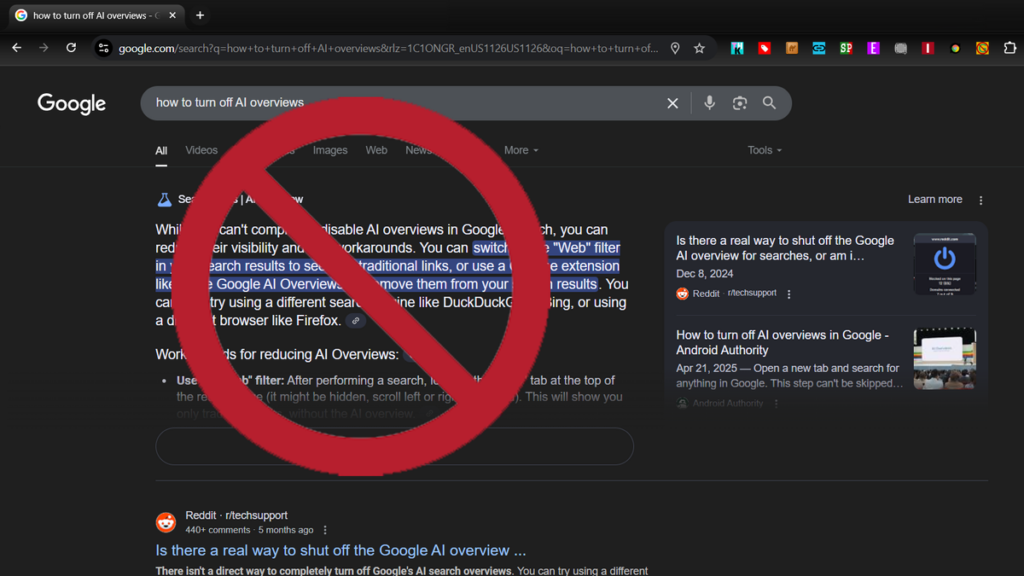
Arc said, “We want the open web to thrive. We do not store or sell collected data.” Meta said Arc’s activity violated automated scraping rules. The standoff raised a simple question: can AI interfaces interact with social platforms at scale without triggering platform defences?
Facial Recognition Still Fails Black and Asian Subjects

The UK Home Office admitted that its facial recognition systems struggled with accuracy for Black and Asian faces. The agency said performance gaps persisted despite years of testing and vendor reassurances. Watchdogs pressed the Home Office for transparency after results revealed far higher false-match rates for darker-skinned individuals.
Civil liberties groups criticised the continued deployment. “You cannot run real-world identification with tools that misidentify entire communities,” one UK rights advocate said. The Home Office confirmed that training adjustments sat in progress.
Environmental Pushback on Datacenters
More than 200 environmental groups urged the US Department of Energy and the White House to slow or pause approvals for large AI data centres. Their argument centred on high water use, grid strain, and emissions from massive server farms.
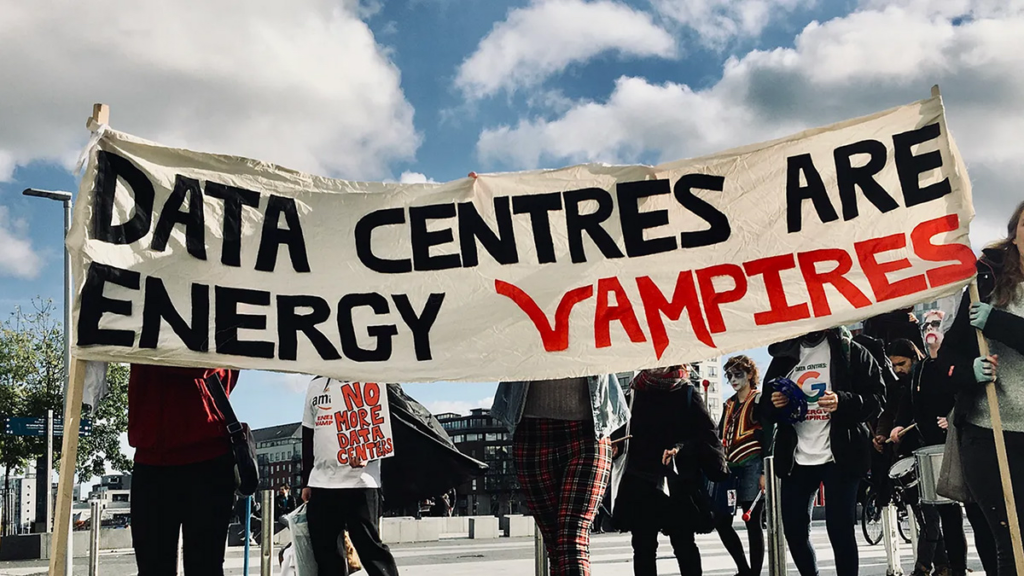
A joint letter claimed, “Unchecked AI datacenter expansion threatens local water supplies and energy stability.” Tech companies countered with efficiency claims but offered few public numbers. Communities near proposed datacenter regions raised concerns about water shortages and surging electricity bills.
Experts: Prepare for Superintelligence or Fall Behind
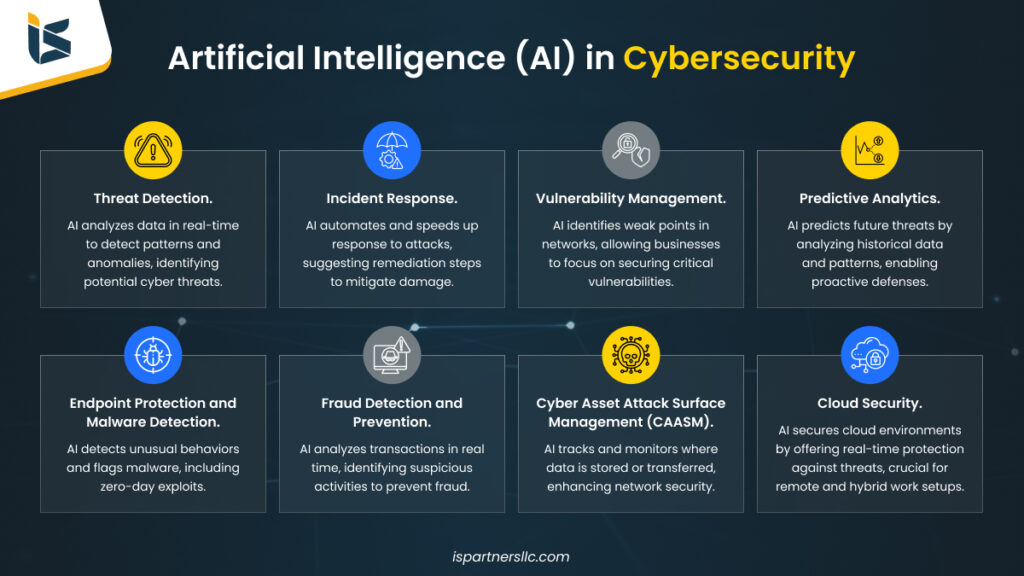
A coalition of leading AI researchers said that no prominent AI company had operational plans for an AI system that would exceed human-level intelligence. The group warned that businesses prepared only for short-term product cycles, ignoring strategic scenarios for accidental self-improvement or rapid capability jumps.
One researcher said, “The gap between development speed and governance planning widens every year.” The warning landed inside boardrooms already struggling with AI costs, safety overhead, and regulatory pressure.
TF Summary: What’s Next
AI enters a stage where success requires discipline, transparency, and slower reflexes. Companies test the limits of scraping, platform integration, and compute demand. Governments push for safety plans that match the scale of emerging models. Communities track data centre growth with sharper scrutiny. This moment shows the real tension: AI expands faster than the rules that bind it.
MY FORECAST: AI safety concerns escalate into formal global frameworks. Governments introduce “interaction standards” for AI browsers and agents. Datacenter expansion faces stricter environmental reviews. Facial recognition audits become mandatory across public agencies. Companies that delay planning around superintelligence scenarios meet new investor pressure in the next regulatory cycle.
— Text-to-Speech (TTS) provided by gspeech