


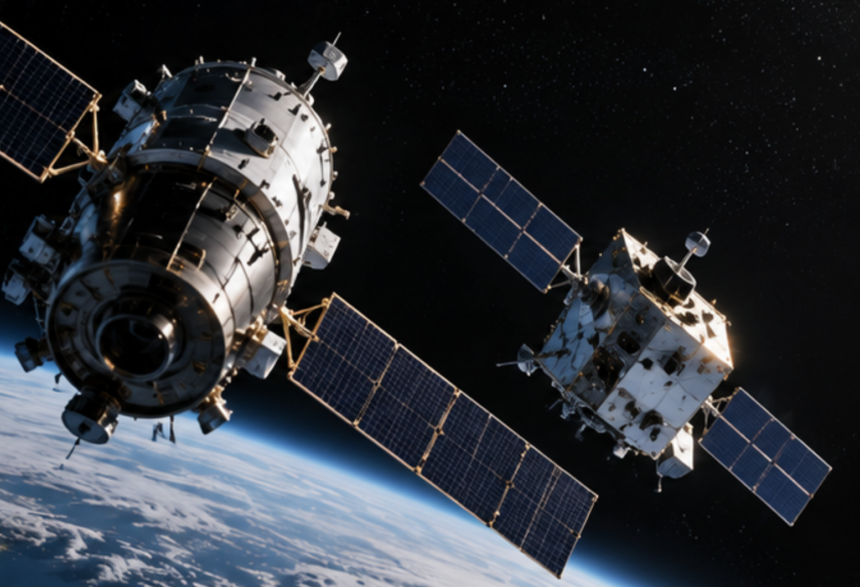
LeoLabs calls the approach a controlled manoeuvre and says hostile intent is not proven.
The Russian satellite approach to ICEYE-X36, tracked from 15 October, brought Kosmos 2612 within about 500 meters. TF logs the manoeuvres, the stakes for Ukraine and the open questions.
What’s Happening & Why It Matters
The Approach
Russia’s Kosmos 2612 closed on ICEYE-X36, a commercial radar imaging satellite, according to tracking firm LeoLabs. Via Satellite reports the spacecraft began closing on 15 October from about 400 km to about 210 km. On 16 October, the spacecraft came within 2 to 3 km.
Kosmos 2612 then moved ahead of and behind the target over two days. At times, Kosmos 2612 came within about 500 meters, though LeoLabs says the estimates are uncertain. The spacecraft began moving away on 18 and 19 October.
Who Owns the Target
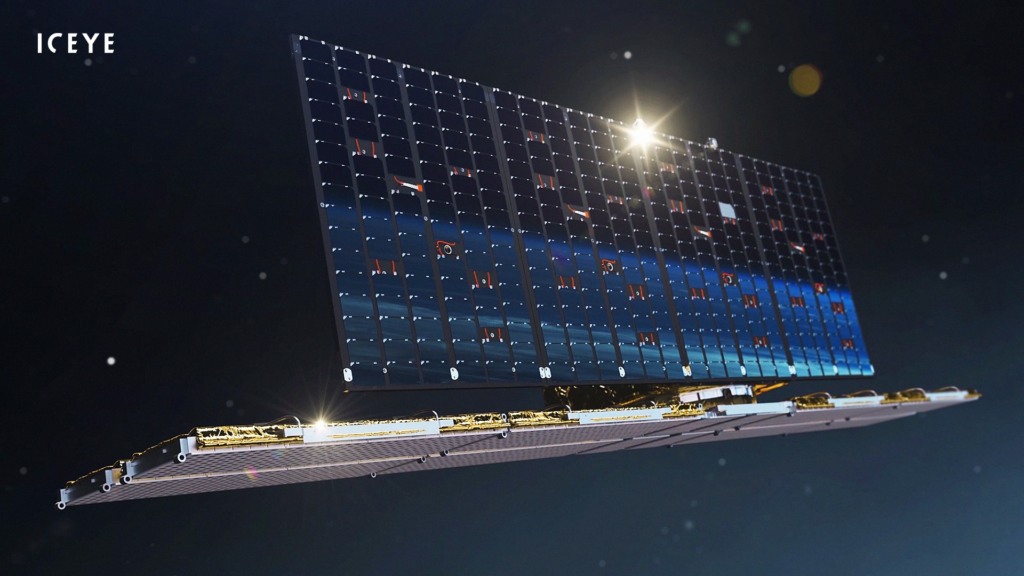
ICEYE-X36 is a synthetic aperture radar satellite. ICEYE, a Finnish firm, runs the satellite through its US subsidiary. Radar imaging works day or night and through cloud cover.
Ukraine has relied on ICEYE imagery for near-real-time intelligence since the 2022 invasion. ICEYE expanded an agreement with Ukraine’s Ministry of Defence. Customers include the US military and European defence agencies. ICEYE says it is tracking the situation and that the constellation is built for resilience.
Why Analysts Care
Space analyst Jonathan McDowell says the approach appears to be the first low Earth orbit rendezvous of active satellites without one owner’s consent. LeoLabs calls the sequence a controlled approach rather than an accidental flyby. LeoLabs does not claim hostile intent.
Such moves need planning, manoeuvrability, and fuel. Analysts say they could support intelligence collection, inspection or interference. Even without contact, forcing a satellite to burn fuel can shorten its life.
The Wider Context
Russia launched Kosmos 2612 in April 2026 as one of six satellites, Kosmos 2609 to 2614. Several of the group moved near ICEYE satellites in May, according to COMSPOC. In 2020, Kosmos 2542 shadowed the US spy satellite USA 245 at 150 to 300 kilometres.
A Russian official said in 2022 civilian satellites helping Ukraine were legitimate targets. TF covered wartime attacks on digital infrastructure in Data Centres Are War Targets in Ukraine, Russia and Iran.
Where the Reports Differ
The War Zone reports Kosmos 2612 began manoeuvring on 30 September and may have come within 26 meters. LeoLabs reports the close approach began on 15 October and estimates it at about 500 meters. Aeronaut, summarising Ars Technica, says at least four of the six satellites followed ICEYE-X36 after launch.
My take: The approach shows commercial satellites operate in a contested environment. Losing one satellite from a large constellation changes little. The risk is the precedent. Russia has tested a method to pressure a commercial supplier of Ukraine’s intelligence.
TF Summary: What’s Next
LeoLabs and other trackers will watch for a repeat approach. ICEYE has to protect satellite fuel and imaging schedules. Allied governments will weigh a response to uncooperative manoeuvres. Commercial operators will press for norms on proximity operations.
MY FORECAST: Russia will repeat the manoeuvre on another commercial satellite within six months. US and European officials will raise the incident at space security talks. ICEYE will add more satellites to its Ukraine service. Insurers will raise premiums for satellites near Russian inspectors.
Related Stories
- Data Centres Are War Targets in Ukraine, Russia and Iran
- Leo Tests Exceed 400Mbps
- Trump: Pentagon Will Not Livestream Nov. Execution
- Musk Pledges a SpaceX Share for Every Child in America
- Report: China National Security Planning Export Controls on AI