



He was set to testify starting Monday in Los Angeles. Instead, his lawyers withdrew every claim against Meta on Wednesday — after settling with YouTube, TikTok, and Snap in recent weeks. Meta calls the claims baseless. His attorneys call it a win. Both statements cannot be true.
The article discusses child mental health, suicidal ideation, and addiction at a legal and policy level. If you or someone you know needs support, contact the 988 Suicide and Crisis Lifeline by calling or texting 988 in the US, or the Samaritans at 116 123 in the UK.
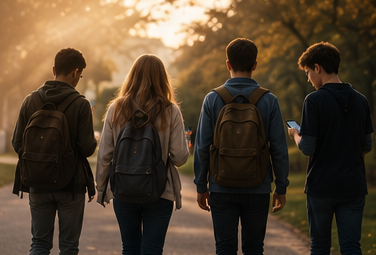
The R.K.C. Meta lawsuit was withdrawn — days before the second individual bellwether trial testing whether major platforms designed their products to addict children. A Florida teenager known in court filings as R.K.C., 15 and from Panama City, dropped his lawsuit against Meta on Wednesday, cancelling a Los Angeles Superior Court trial that was scheduled to begin on 27 July. R.K.C. originally sued Meta, YouTube, Snap, and TikTok in 2023, alleging the platforms’ “addictive design” caused sleep deprivation, suicidal thoughts, and other mental health harm after he began using them around age eight. As TF covered in its YouTube settlement article, YouTube, TikTok, and Snap had already settled their portions of R.K.C.’s case weeks earlier, leaving Meta as the sole defendant heading toward trial.
What’s Happening & Why It Matters
Two Statements Obfuscating the Truth
The R.K.C. Meta lawsuit withdrawal produced competing narratives from the parties involved. Meta spokesperson Liza Crenshaw saw the dismissal as vindication. “The claims never held up, and this outcome makes clear that we will not back away from defending ourselves against baseless lawsuits,” she said. By contrast, R.K.C.’s attorneys, Emily Jeffcott and Rahul Ravipudi, viewed the same outcome differently. “In light of the overall successful result of the litigation and his concerns about enduring a gruelling week-long trial, he has elected to withdraw his claims against Meta,” they said. “He’s ready to close this chapter and focus on his recovery and engage in therapy as he aspires to have a normal life.”
Neither statement addresses the settlement terms — the terms of R.K.C.’s agreements with YouTube, TikTok, and Snap were not disclosed. Whether Meta paid anything to avoid trial, or whether R.K.C. concluded a gruelling multi-week trial carried more personal cost than benefit given the settlements already secured, is a question neither camp answered on the record.
The Second Bellwether Case
The R.K.C. Meta lawsuit withdrawal removes a significant test case from the litigation landscape TF has documented throughout 2026. R.K.C.’s trial was set to be the second individual bellwether case among thousands of lawsuits consolidated in California state court, following the case TF covered in its social media lawsuits article — the first bellwether trial, in which a jury found Meta and YouTube liable and ordered damages.
By contrast, the earlier verdict makes Meta’s decision to settle the second case before trial notable rather than routine. Having already lost once at trial, Meta faced a higher-stakes second test — a loss here would have compounded the precedent against it heading into the consolidated cases. The Social Media Victims Law Center, which represents plaintiffs across hundreds of similar cases, declined to comment on R.K.C. dropping his claims.
Meta Wins by Avoiding Juries
The R.K.C. Meta lawsuit withdrawal fits a specific pattern visible across Meta’s 2026 litigation strategy. In a separate case, a New Mexico jury ordered Meta to pay $375 million in March for failing to protect children from sexual predators — a verdict that demonstrates Meta’s jury exposure is severe when a case does reach trial. As TF covered in its Meta parental alerts article, Meta faces a separate trial in August 2026 where 41 state attorneys general are seeking up to $1.4 trillion in penalties.
The context buffers the specific withdrawal. Meta avoiding a second consecutive individual jury trial — after already losing the first — buys the company additional time before its own liability calculus is tested at the August scale, where a jury finding could carry larger financial consequences than any individual case resolved through settlement or dismissal beforehand.
TF Summary: What’s Next
R.K.C.’s case against Meta is dismissed, with no trial proceeding. His settlement terms with YouTube, TikTok, and Snap are undisclosed. The consolidated litigation — thousands of cases in California state court — continues independently of the specific outcome. Meta’s August 2026 trial against 41 state attorneys general, seeking up to $1.4 trillion, is scheduled and unaffected by today’s dismissal.
MY FORECAST: The R.K.C. Meta lawsuit withdrawal will not slow the wave of litigation TF has tracked throughout 2026 — thousands of consolidated cases are pending, and Meta’s willingness to settle individual bellwether cases before trial suggests the company views each case’s specific jury risk calculation rather than as a signal of blanket confidence. By contrast, expect plaintiffs’ attorneys to cite the outcome in future negotiations — a case that “settles favourably enough to withdraw voluntarily” reads differently in court filings than an outright loss, and Meta’s own spokesperson perspective suggests the company will lean on that distinction regardless of what changed hands. The August trial against 41 states is the far more consequential test — a case whose scale makes pre-trial settlement less straightforward than an individual bellwether claim.
If you or someone you know needs support, please contact the 988 Suicide and Crisis Lifeline by calling or texting 988, or the Samaritans at 116 123 in the UK.
Related Stories
- YouTube Settles Teen Addiction Case on the Eve of July’s California Trial
- Meta Will Alert Parents If Teens Discuss Suicide With Its AI Chatbots
- Social Media on Trial: Lawsuits Mount From Spain to San Francisco