


It started because of Jennifer Lopez’s green Versace dress. Twenty-five years later, Google Images can now generate the picture instead of just finding it. A new real-time gallery. AI creation is built into Search itself. And Google isn’t hiding why: Midjourney and DALL-E have been eating its lunch.
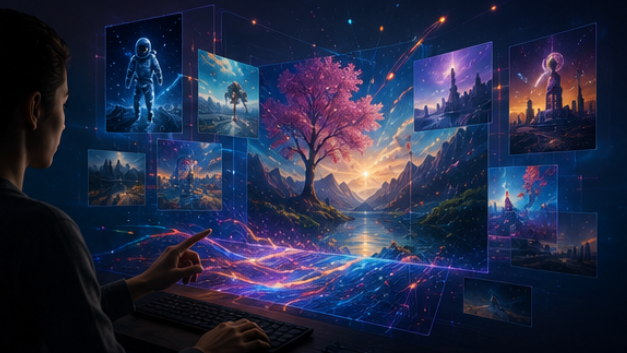
Google Images’ 25th anniversary redesign launched — and the milestone comes with two substantive product changes, not just a nostalgia post. Brad Kellett, Google‘s Senior Engineering Director for Search, announced the changes in a company blog post marking a quarter-century since the tool launched in July 2001. The first change is a redesigned, browsable home for Google Images on desktop — a “dynamic, immersive gallery” of images updated in real time and “intelligently tailored” to each user’s interests, rolling out to signed-in US users over the coming weeks. The second is more significant: Google is bringing its Nano Banana AI image-generation model directly into AI Overviews within Search itself, letting users type a text prompt and receive a custom-generated image without ever leaving the results page.
What’s Happening & Why It Matters
The Jennifer Lopez Dress That Started It All
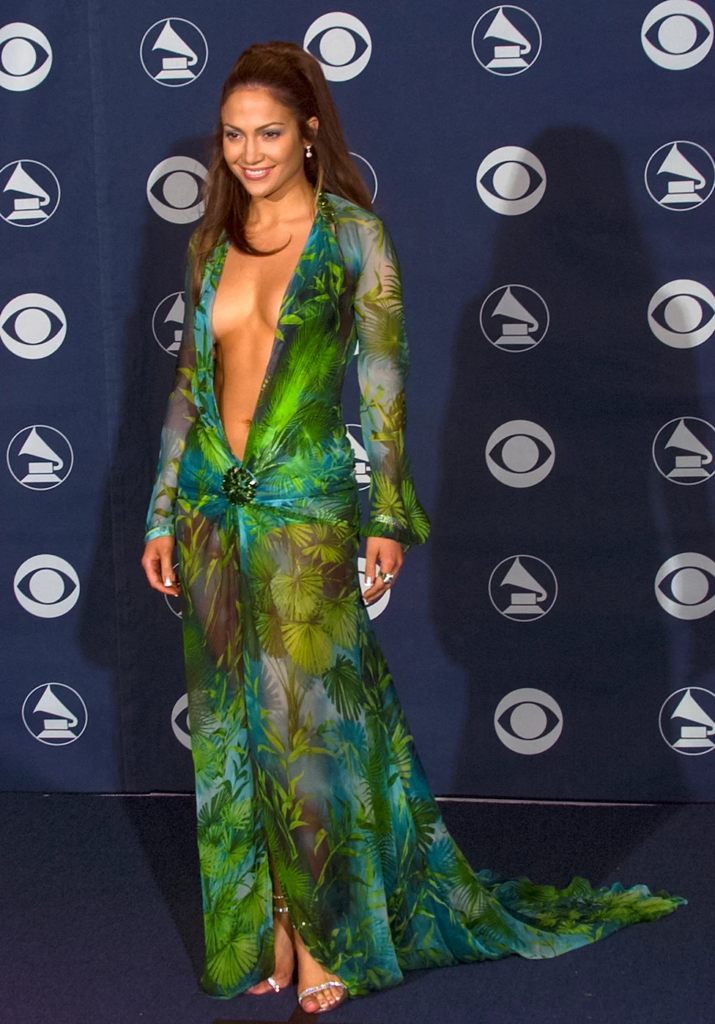
Google Images’ 25th-anniversary redesign carries an origin story that Google itself finds worth retelling. Back in 2000, Jennifer Lopez wore her now-legendary green Versace dress to the Grammy Awards, and the internet “practically melted.” Everyone rushed to Google to see it — but the search engine only offered blue text links at the time. “People didn’t just want to read about the dress — they wanted to see it,” Google said in its announcement. Realising users wanted to actually see the web rather than just read about it, the team built and launched Google Images in July 2001.
That origin story is instructive for the 2026 update, too. The core insight — people want to see, not just read — is precisely what’s driving the AI generation feature. A search for “a nautical-style bedroom” now returns a generated image built from scratch, alongside follow-up questions to refine the design. The same impulse that created Google Images a quarter-century ago is directing generation rather than pure retrieval.
The New Gallery — a Pinterest-Style Makeover
Google Images’ 25th anniversary redesign‘s browsing experience borrows heavily from a familiar visual format. The overall effect closely resembles Pinterest’s or Instagram’s Explore page. Results update in real time, offering fresh content and trending topics. Saved images now organise into tabs above the main gallery — with the Saved page itself splitting into two tabs: collections and all image results. Users can still click a photo, engage the kebab menu, and save it to a collection exactly as before; the interaction model hasn’t changed, only the surrounding browsing experience.
By contrast, access is initially restricted. The new layout requires signing in to a Google account and is rolling out first to US English users on desktop only — no immediate timeline for mobile, international markets, or signed-out browsing has been confirmed.
Google Is Losing Mindshare to Midjourney, DALL-E
Google Images’ 25th-anniversary redesign arrives with a specific competitive subtext that Google‘s announcement leaves unstated but that industry observers note directly. The company faces mounting pressure from standalone AI image generators like Midjourney and OpenAI‘s DALL-E, which have captured significant mindshare among creators. By embedding visual AI tools directly into Google Images rather than launching a separate app, Google is betting that keeping users inside its existing ecosystem is more important than having the flashiest standalone AI product.
That strategy mirrors a movement across Google‘s 2026 product roadmap. As TF covered in its Waze AI update article, Google has consistently tested Gemini-powered AI features in specific products — Waze, Search, Images — rather than launching them as separate destinations. The Nano Banana rollout follows exactly that pattern: integration into existing high-traffic surfaces, not a new app competing head-on with dedicated AI image tools.
An AI Image Arms Race: Meta, Microsoft, and Everyone Else
Google Images’ 25th-anniversary redesign came in the same week Meta launched its first in-house image model, Muse Image, across Instagram, WhatsApp, and the Meta AI app — as TF covered in its Meta Muse Image consent-backlash article. Microsoft is separately overhauling Windows 11’s search box the same week, cutting sponsored content from top results. Every major consumer technology platform is racing to embed AI image generation directly into the surfaces users already visit daily — the standalone AI app model that defined 2023–2024 is giving way to embedded generation inside Search, messaging, and social platforms.
Additionally, Google is adding transparency alongside its generative capabilities — its My Ad Centre includes a “How this ad was made” disclosure section that automatically flags when Google‘s AI tools created or edited an advertisement. That labelling effort runs parallel to Nano Banana’s rollout, addressing the attribution and authenticity questions that AI-generated visual content raises across every platform deploying it.
TF Summary: What’s Next
The redesigned Google Images gallery rolls out to signed-in US desktop users over the coming weeks. Nano Banana image generation inside AI Overviews launches globally, in English, across every region that currently supports image creation in AI Mode. No mobile timeline has been confirmed for either feature. Google has not disclosed any further technical details about Nano Banana’s underlying architecture beyond its integration into AI Overviews.
MY FORECAST: Google Images’ 25th-anniversary redesign will meaningfully slow the migration of casual creative users toward standalone tools like Midjourney — the friction of leaving Search to open a separate app is a genuine behavioural barrier that inline generation removes entirely. By contrast, it will not affect professional and power-user creative workflows, where the finer control and iteration features of dedicated tools are decisively superior. Expect Google to extend the Nano Banana integration to Google Photos and Google Lens within the next two quarters, continuing the same embed-don’t-compete strategy across its entire product surface. The real signal in the anniversary announcement isn’t the redesign — it’s the confirmation that Google treats every high-traffic product as a potential AI generation surface.
Related Stories
- Waze Adds AI Personalisation — Including a Way to Make It Less Chatty
- Meta’s Muse Image Consent Backlash
- OpenAI, Meta, and xAI All Pushed New AI Models in the Same Week