


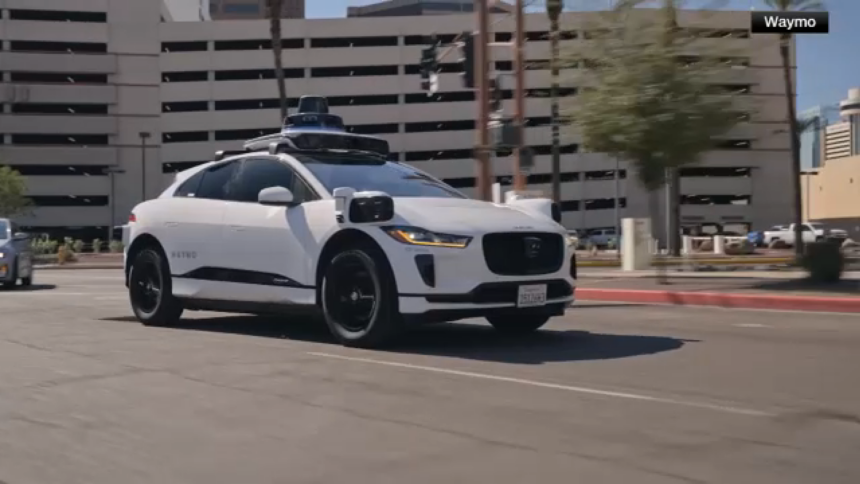
Thirteen Waymo vehicles drove into freeway construction zones in Phoenix and San Francisco between April and May. The software fix is “currently under development.” The entire US fleet is restricted from freeways. It is Waymo’s third major recall since April 2025.
Waymo’s 3,871-vehicle software recall came — the Alphabet-owned company’s third major recall in just over 14 months. Waymo filed a safety recall report with the US National Highway Traffic Safety Administration (NHTSA) after 13 known incidents where Waymo robotaxis drove into construction zones on freeways in Phoenix, or entered freeway lanes with active construction in the San Francisco area. The recall covers vehicles using Waymo‘s fifth-generation automated driving system — its entire current US fleet.
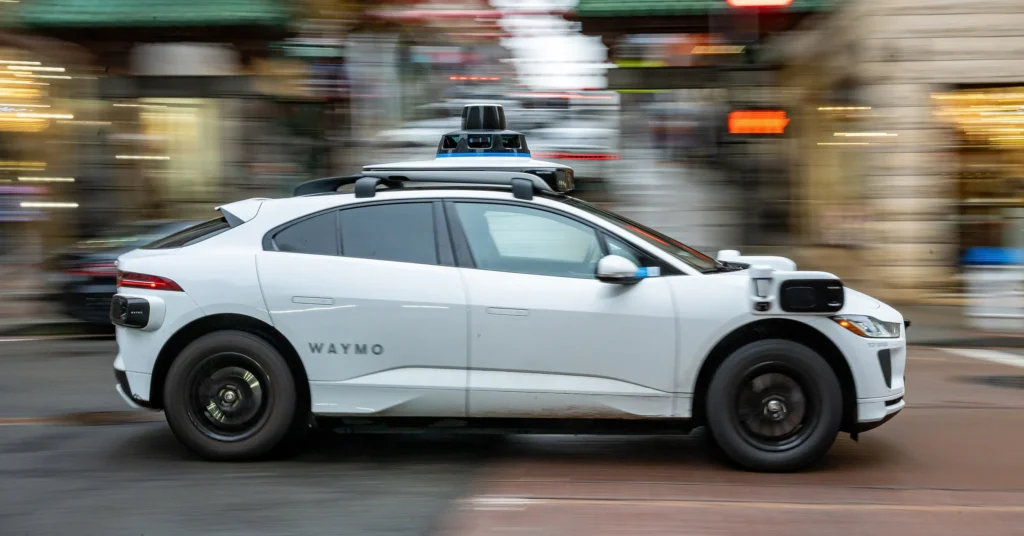
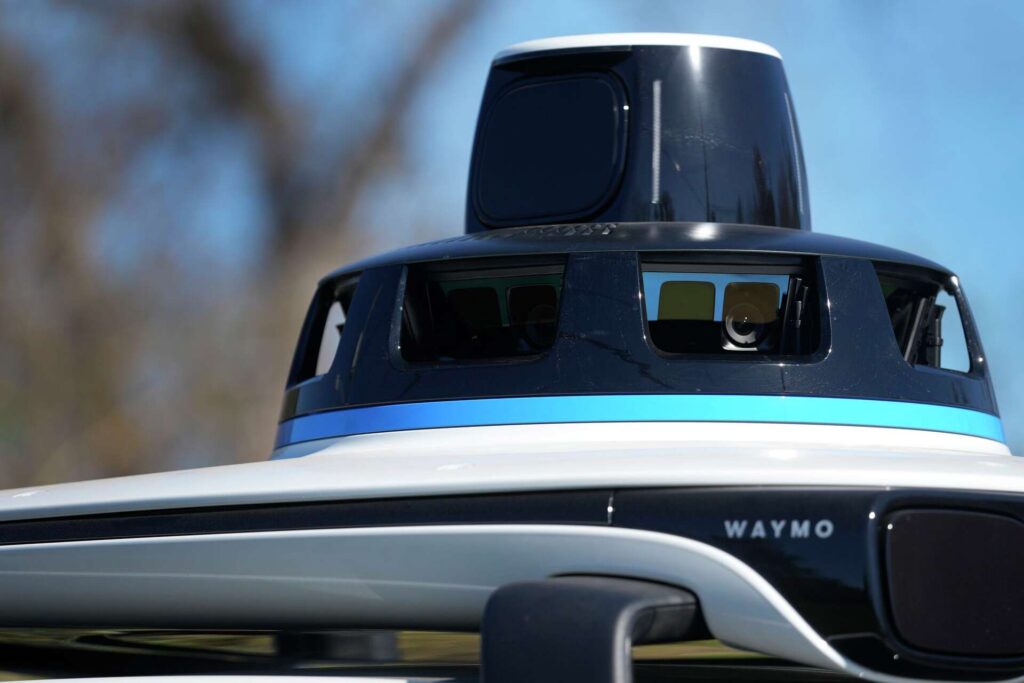
The NHTSA recall notice states: “Under certain circumstances, the AV may enter and drive at speed in freeway construction zones due to inappropriately prioritizing the avoidance of other freeway hazards and/or failing to recognize the construction zone.” Waymo has restricted all freeway operations while it develops a fix. Surface street operations continue unaffected. The recall impacts Waymo’s 5th Generation Automated Driving System, which powers its fleet of Jaguar vehicles.
What’s Happening & Why It Matters
13 Incidents: Six in Phoenix, Seven in San Francisco
Waymo’s 3,871-vehicle software recall rests on a specific factual record. Six incidents occurred in Phoenix in April, when Waymo robotaxis failed to recognise ramp-closure signs and drove into freeway construction zones. In May, another seven Waymo vehicles entered freeway lanes with active construction in the San Francisco area, driving between cones marking closures in adjacent lanes. One incident received direct public documentation. Writer Elliot Slade recorded one of them on May 19th, when his Waymo ride appeared to ignore construction zone markings — and was chased by police. Slade confirmed to CBS News that he and his fiancée were in the vehicle when it sped through the construction zone. The police chase footage circulated widely on social media — giving the recall a public face that NHTSA filings alone do not.
What the Software Got Wrong
The NHTSA filing explains the root cause precisely. The automated vehicle entered construction zones due to “inappropriately prioritizing the avoidance of other freeway hazards” and “failing to recognise the construction zone.” In practice, that means Waymo‘s system detected other hazards in its environment — other vehicles, lane markings, merge points — and deprioritised the construction zone indicators in favour of managing those competing signals. The system did what it was trained to do. It simply did not have the construction zone recognition weight calibrated correctly for the specific combination of signals present in the incidents.
Additionally, “driving at speed in a freeway construction zone increases the potential for collisions,” NHTSA said. Construction workers in active zones face the highest risk. Waymo identified the issue proactively — restricting freeway operations before filing the recall — and voluntarily notified state and federal regulators. No injuries occurred in any of the 13 documented incidents.
The Third Recall in 14 Months — a Pattern Emerges
Waymo’s 3,871-vehicle software recall is the company’s third significant voluntary recall since April 2025. Back in May 2026, Waymo recalled 3,791 robotaxis after a vehicle drove onto a flooded road in San Antonio. The vehicle was swept away by the flood — though it was unoccupied and no one was injured. Before that, the company issued a recall over school bus stop sign failures. Before that, NHTSA investigated an incident where a robotaxi illegally passed a stopped school bus in Austin, Texas. The pattern across three recalls covers three distinct challenge categories: edge weather conditions, traffic control device recognition, and construction zone detection. Each represents a scenario where real-world conditions diverge from training environments in ways the system did not anticipate.
The school bus incident prompted the NHTSA Safety Board to open a formal probe of Waymo — which is open. By contrast, Waymo consistently responds faster than required and files voluntarily before NHTSA mandates action. That posture distinguishes the company from earlier autonomous vehicle operators. GM‘s Cruise — which shut down in 2023 — failed to promptly report a pedestrian dragging incident to NHTSA, damaging its regulatory credibility irreparably.
Waymo’s Safety Case — Still Statistically Strong
The recall does not undermine Waymo‘s core safety data. Waymo has argued that its robotaxis are safer than human-driven cars — stating its driverless cars were 13 times less likely to be involved in collisions with serious injuries. Additionally, the company operates more than 250,000 paid trips per week across 11 US markets. Against that operational volume, 13 construction zone incidents represent a statistically rare failure mode — not a systematic capability failure. The key distinction is between a software gap and a fundamental safety architecture problem. This is the former. The construction zone detection calibration is a defined, bounded problem with a definable software solution. According to the NHTSA, the company is working on a software fix that will help the cars detect when they are in a construction zone and avoid entering one.
TF Summary: What’s Next
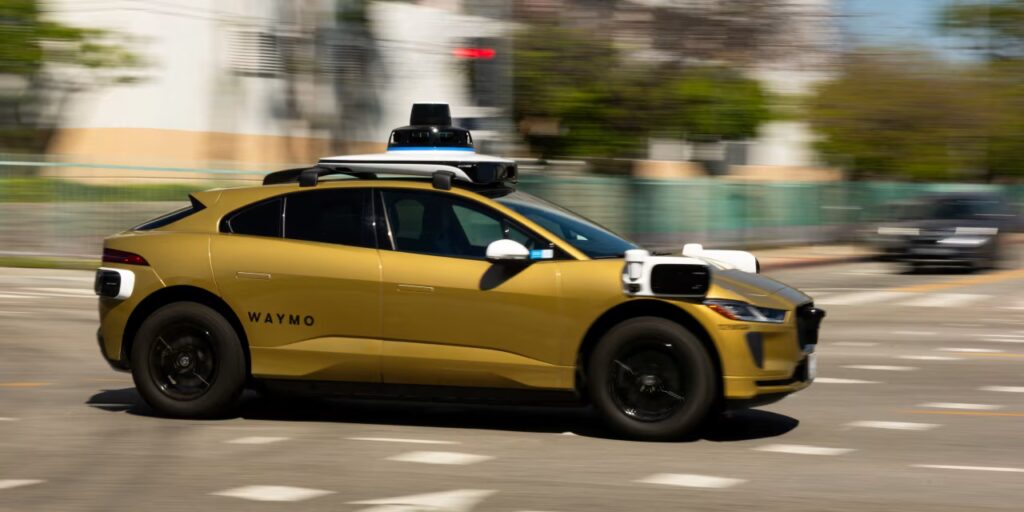
Waymo continues developing the software fix. No timeline for resolution has been confirmed in NHTSA filings. Freeway restrictions remain in place across all 11 US markets — Phoenix, San Francisco, Los Angeles, and Miami among them. Surface street operations continue. The NHTSA safety probe initiated after the school bus incident remains open. Waymo‘s planned London and Tokyo international expansions continue on their development timelines.
MY FORECAST: Waymo’s 3,871-vehicle software recall will be resolved through a software patch deployed fleet-wide within 30 to 60 days. Construction zone detection is a bounded engineering problem. The combination of construction-specific map data layers, updated sensor fusion weights, and dedicated construction zone classification training will produce a solution that passes NHTSA‘s validation requirements. By contrast, the regulatory accumulation tells a more important story. Three recalls in 14 months — covering flood zones, school buses, and construction zones — reveals that the long tail of real-world edge cases is longer than any simulation programme predicts. Each recall is individually manageable. Collectively, they describe the engineering challenge that stands between Waymo‘s current 11-city footprint and the tens-of-thousands-of-vehicles production scale it is building toward in Phoenix. The product works. The failure modes keep appearing in sequence. That is both the expected pattern for an emerging technology platform and the thing that will keep NHTSA watching every mile.