


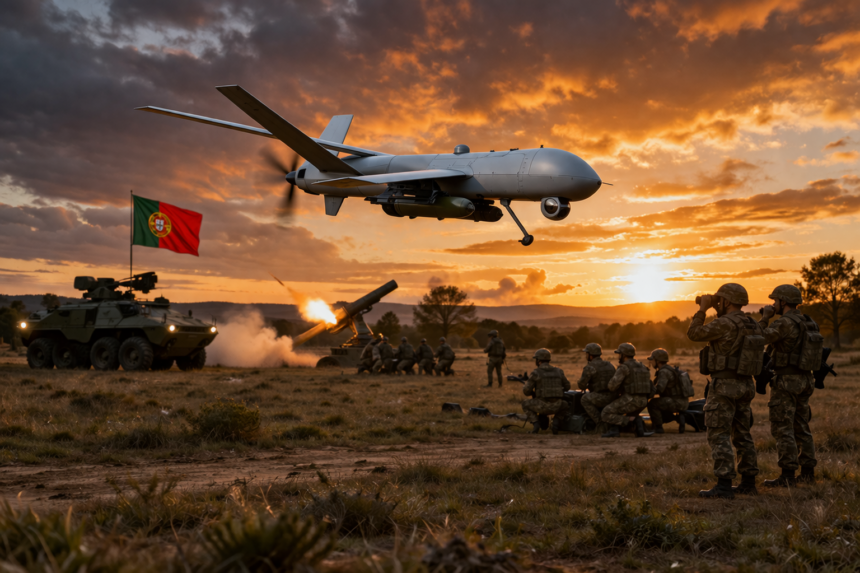
Portugal’s army is testing loitering munitions with NATO partners, and the exercise shows how quickly drone warfare is moving from niche capability to standard doctrine.
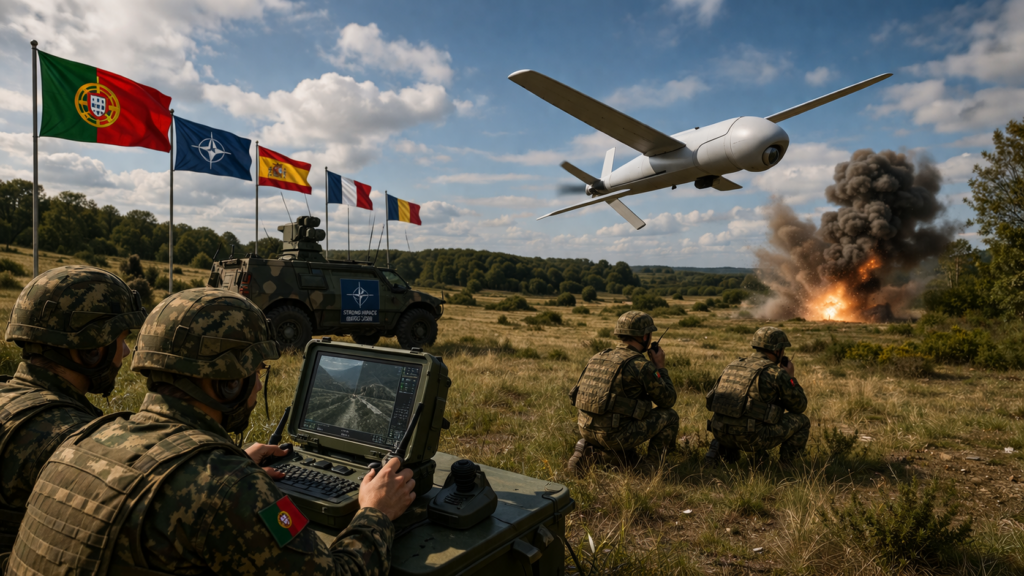
Portugal is testing attack drones in a NATO-linked military exercise, and the message is clear. Drone warfare is no longer a side topic for elite units or major powers alone. It is component of normal military planning across the alliance. The Portuguese army used the Strong Impact 2026 exercise to test loitering munitions at the Santa Margarida Military Camp in Constância while training alongside troops from other NATO countries.
The systems change how smaller and mid-sized militaries think about range, precision, and cost. A loitering munition can hover, watch, and strike later. That gives commanders more control than a traditional missile launched at a fixed target. Portugal is not simply buying trendy hardware. It is testing a warfare model that has already reshaped modern conflict from Ukraine to the Middle East.
What’s Happening & Why This Matters
NATO Exercise Tests Loitering Munitions
The exercise at the center of this story is Strong Impact 2026. It began on 16 March and runs through the end of March at the Santa Margarida Military Camp. The Portuguese army used the drills to test what it called “attack drones,” more precisely described as loitering munitions. The systems were developed under the Robotics and Autonomous Systems project of Portugal’s Military Programming Law in collaboration with the Portuguese company UAVision.
That setup matters because this is not an imported off-the-shelf curiosity dropped into a training field for show. Portugal is tying drone development to national military programming and to domestic industry. That gives the effort more weight. It suggests the army wants the systems integrated into future force planning rather than left as one-off demonstrations.
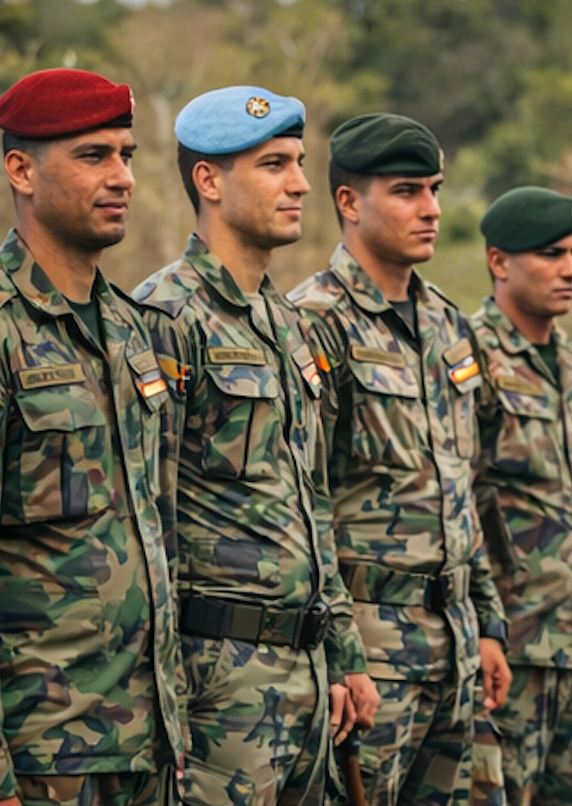
The exercise itself adds allied context. 417 troops took part, including 320 from Portugal, 91 from Spain, four from France, and two observers from Romania. This was not a solo national lab test. It was a multinational training event inside a NATO framework.
Loitering Munitions Change Strike Logic
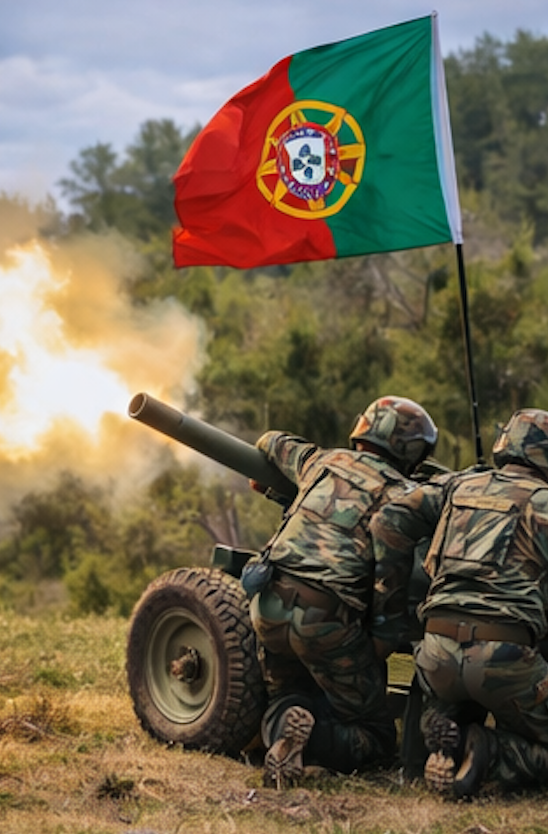
Portugal’s army gave a useful description of why the systems matter. Army spokesperson Lieutenant Colonel Hélder Parcelas said that loitering munitions are unmanned aerial vehicles that hover over an area while searching for a target to strike. Unlike a traditional missile fired at a fixed destination, the systems let the operator watch conditions live and decide when, where, or whether to hit.
That difference is huge. It shifts the strike model from “launch and hope” toward search, assess, and then strike. The army said the main advantages include endurance, flexibility, the ability to abort or redirect an attack, and the chance to hit high-value targets with less collateral damage. The army’s explanation of the system’s logic is “search first, decide later and act with precision.”
This is why loitering munitions attract so much attention across Europe. They are not only cheaper than some larger missile systems. They are tactically adaptable. A military can watch a target area in real time, wait for a better opening, and reduce waste or unintended damage. For armed forces trying to stretch budgets without giving up modern precision, that is a very attractive trade.
Portugal Is Following a NATO Trend
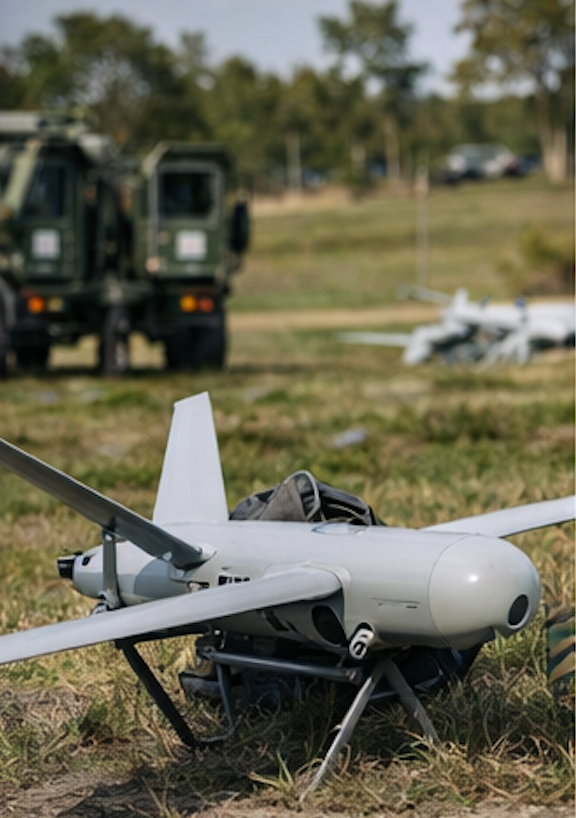
The Portuguese army views the trial as part of a modernization effort in line with other allied armed forces. The goal of the exercise is to develop the operational capabilities of Portuguese field artillery and air defense artillery units. New systems are then integrated with forces from allied countries throughout the Atlantic Alliance.
That line matters because it shows the strategic context. NATO militaries watched the war in Ukraine, watched commercial drones turn into battlefield tools, and watched loitering munitions gain a larger role in surveillance and strike missions. The lesson was not subtle. Drones are not optional extras anymore. They are standard pieces of the battlefield toolkit.
Portugal is one of NATO’s 12 founding members, and has long taken part in alliance missions. When a founding member starts openly testing attack drones with allies in a field exercise, that says something about how normalized this technology has become. Drone warfare is moving from the margins toward doctrine.
Domestic Manufacturing Picks Up
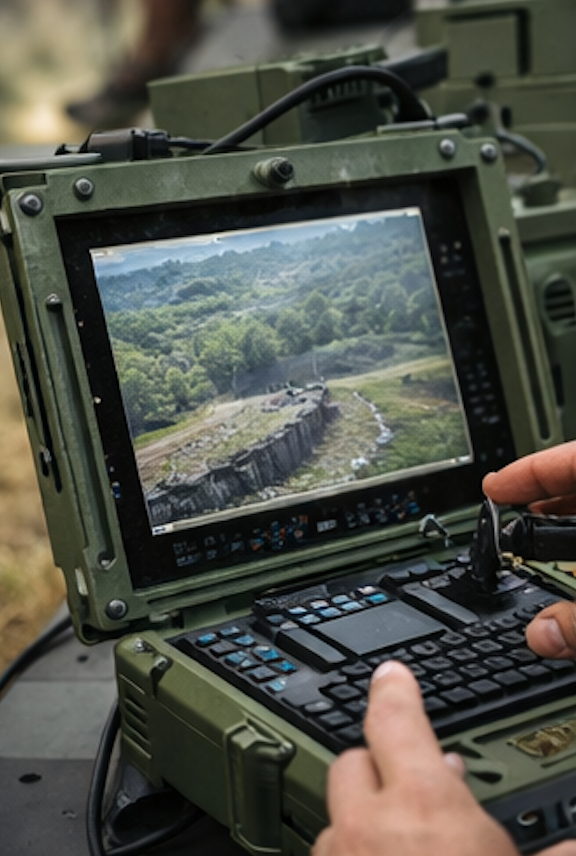
One of the most important details in the report is easy to miss. The Portuguese army’s aim is not only to test drones. It wants to manufacture in Portugal longer-range, higher-capacity weaponry. The objective was communicated directly by the army spokesperson.
That goal carries both military and political value. Militarily, domestic production can reduce dependence on foreign suppliers and shorten the path from testing to deployment. Politically, it supports local industry, strengthens national capability, and aligns with a European effort to expand defense production closer to home.
This matters more in 2026 than it did a few years ago. Supply chains for advanced military systems are riskier. Demand is rising. European states are under pressure to spend more on defense and prove that the money builds useful capability. A homegrown drone program helps answer that pressure with something concrete.
This Is Not Portugal’s First Drone Trial
The Strong Impact exercise is not the first time the Portuguese army has taken this path. The system was already used in the 2025 edition of the maneuvers. The article added that the previous edition included flight tests of the Elanus drone, which has a 50-kilometre range, 30-minute flight endurance, and 3-kilogram payload capacity.
That continuity matters because it shows progression rather than a single publicity event. The army is building year by year. It is moving from testing a drone platform to testing operational use and loitering munition capability. In defense terms, repetition is often the real sign that a technology matters. Militaries do not keep re-running the same trials unless they see a path forward.
The practical reading is simple. Portugal appears to be moving from trial capability toward usable doctrine. That does not mean the country suddenly has a large operational drone force ready for combat tomorrow. It does mean the institutional learning is no longer theoretical.
The Precision Argument Will Carry Weight, but So Will the Ethical Debate
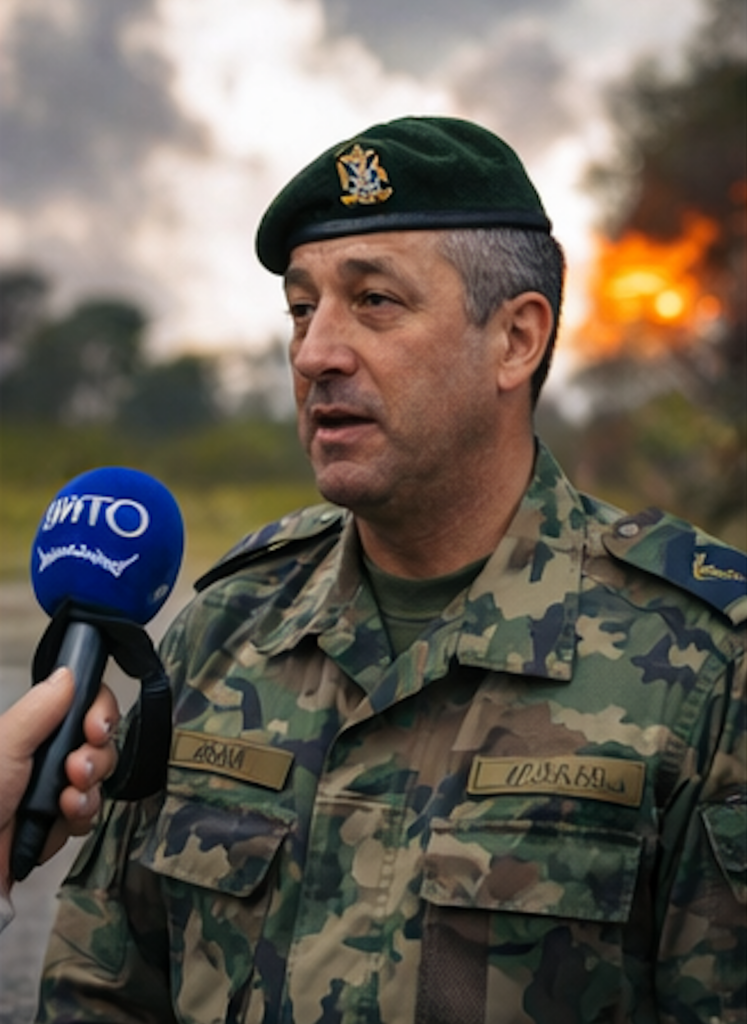
The army’s public case for the drones is built around precision and flexibility. Parcelas stated that systems can reduce collateral damage and allow for redirection or abort options if conditions change. That is the kind of argument militaries and governments like because it presents technology as both effective and restrained.
There is truth in that. A loitering munition can give operators more situational awareness than a fixed-target strike. Yet the ethical debate does not disappear just because a drone hovers before it strikes. These systems still make lethal force easier to deliver, often at lower cost and lower risk to the attacking force. That convenience can encourage use.
So the technology cuts both ways. On the one hand, it can improve accuracy and reduce waste. On the other hand, it can lower the threshold for strike decisions and spread the logic of remote killing further into ordinary force planning. Portugal’s test is inside that tension, whether the army says so directly or not.
Drones Can Expand Military Reach
There is another reason this story matters. Loitering munitions offer smaller militaries a way to expand capability without chasing only the most expensive traditional systems. A country does not need a giant missile inventory to gain credible precision-strike capabilities. That changes procurement logic.
For Portugal, that could strengthen both deterrence and interoperability. A drone force built around domestic production and NATO training can support artillery units, improve battlefield awareness, and help the country fit more tightly into alliance operations. The result is not just new hardware. It is a new way to extend battlefield reach.
That pattern is visible across Europe. States are learning that drones can fill gaps among artillery, surveillance, and direct-strike capabilities. They can support existing forces without requiring a complete force redesign. That modular advantage is one reason this category keeps growing.
Tech in Warfare Is Faster, Cheaper, and More Distributed
The deeper story here is not only Portuguese. It is structural. Warfare technology is becoming faster to develop, cheaper to field, and more distributed across public-private partnerships. The Portugal-UAVision collaboration shows that even a national military with a modest budget can work with a domestic firm to build relevant drone capacity.
Defense innovation used to look slower, heavier, and dominated by a smaller club of giant contractors. Drone warfare is changing that. Startups and smaller companies can move faster. Militaries can test more often. New systems can evolve between annual exercises instead of over decade-long procurement cycles.
That speed offers a clear advantage, but it also creates pressure. Doctrines must adapt faster. Safety and targeting standards must adapt faster. Export controls and alliance planning must adapt faster. When a technology spreads quickly, strategy often has to play catch-up.
TF Summary: What’s Next
Portugal’s Strong Impact 2026 exercise shows how deeply attack drones and loitering munitions are entering modern NATO military planning. The Portuguese army used the drills at Santa Margarida to test systems developed with UAVision, tied the effort to domestic manufacturing goals, and trained alongside allied troops from Spain, France, and Romania. The core pitch is precision, flexibility, and stronger operational capability.
MY FORECAST: Portugal will keep building this capability, and more European militaries will do the same. The next phase will focus less on whether drones work and more on how widely they get integrated into doctrine, procurement, and domestic production. Loitering munitions are no longer a fringe battlefield tool. They are becoming part of the standard military kit, and NATO states will continue to adapt around that reality.
— Text-to-Speech (TTS) provided by gspeech | TechFyle