


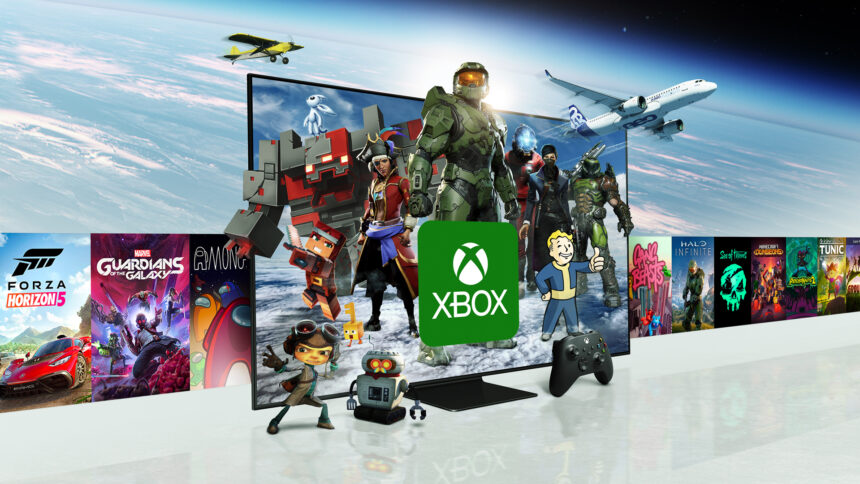
Asha Sharma follows the 38-Year Era as Xbox Enters Uncharted Waters.
After nearly four decades at one company, a tech titan bowed out. Phil Spencer, the longtime head of Microsoft’s gaming division, announced his retirement, closing one of the most influential chapters in modern video game history. His decision triggered a leadership shake-up across Xbox and introduced fresh questions about where the brand goes next.
Spencer’s departure comes at a delicate time. The gaming industry faces rising costs, shifting player habits, and fierce competition from Sony and Nintendo. Meanwhile, Microsoft is pursuing cloud gaming, subscriptions, and AI-driven services. The leadership change creates both continuity and disruption — a paradox that defines Big Tech today.
Microsoft named Asha Sharma, previously an executive in its AI business, as the new gaming chief. At the same time, other senior figures are exiting or switching roles. The result is more than a routine succession, but a structural reboot of the Xbox ecosystem.
What’s Happening & Why This Matters
Phil Spencer’s Exit Marks the End of an Xbox Era

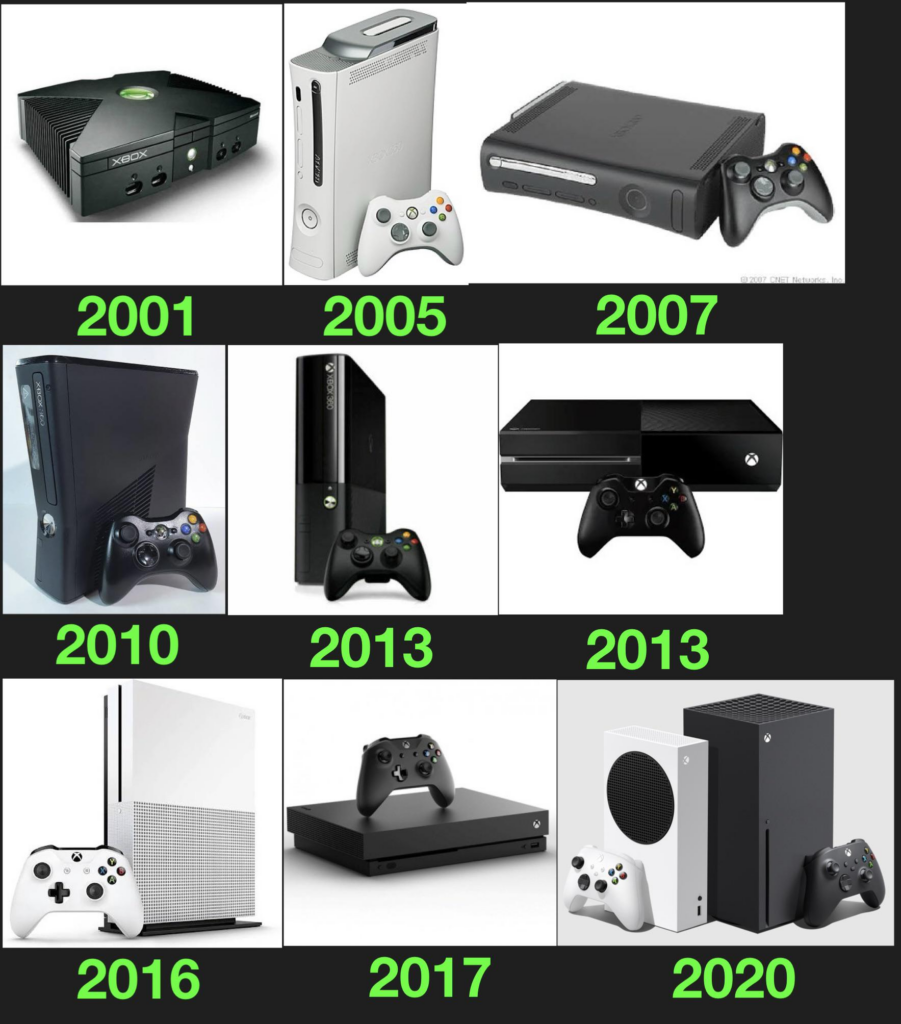
Phil Spencer joined Microsoft as an intern in 1988 and spent 38 years inside the company. He rose through the ranks and took control of Xbox in 2014 during one of its toughest periods. The Xbox One had launched to criticism, weighed down by a controversial strategy and the Kinect accessory.
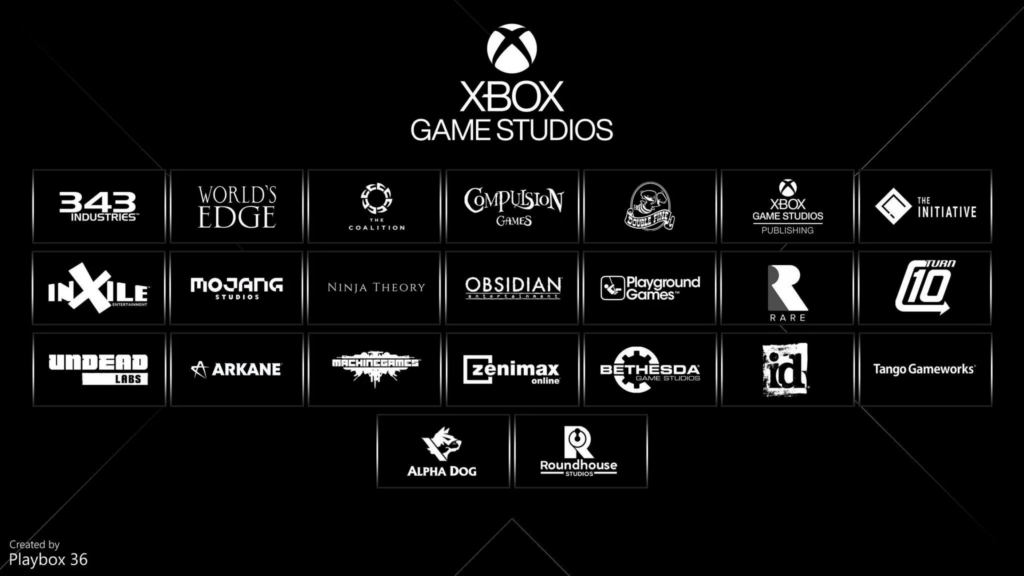
Spencer stabilized the brand. He rebuilt trust with players. He pushed backward compatibility, Game Pass subscriptions, and cross-platform initiatives. Perhaps most consequential, he oversaw Microsoft’s massive acquisitions, including Bethesda and Activision Blizzard.
In his farewell note, Spencer explained he had informed CEO Satya Nadella months earlier that he wanted to “start the next chapter” of his life. He will remain in an advisory role during the transition.
It’s not a quiet retirement. It is the seismic exit of the person most closely associated with modern Xbox strategy.
Leadership Shuffle, Strategic Reset

Microsoft appointed Asha Sharma as Executive Vice President for Gaming. Her background is largely outside the video game industry. She previously led parts of Microsoft’s CoreAI division and worked at Meta and Instacart.
That choice tells a story. Microsoft does not simply want a gaming veteran. It wants a technology operator — someone aligned with AI, cloud, and platform thinking.
Sharma promises a “return of Xbox” and renewed focus on core fans, starting with consoles but extending across PC, mobile, and cloud gaming.
At the same time, Xbox President Sarah Bond is also departing. Bond was widely viewed as Spencer’s likely successor. Meanwhile, longtime executive Matt Booty moves into a top content role to maintain continuity.
This mix of departures and promotions suggests Microsoft is rebalancing leadership between technology, content, and platform strategy.
New Chief Faces Steep Learning Curve
Sharma’s appointment sparks debate because she lacks deep industry experience. Reports indicate she has only recently begun building a personal history of Xbox gaming.

Her public comments touched on narrative-driven games and emotional storytelling, citing titles like Firewatch. She also lists classic franchises like Halo among her favorites.
Running a gaming division, however, requires managing studios, hardware cycles, developer relations, and global fan communities — a complex ecosystem shaped by decades of tradition.
History offers mixed lessons. Nintendo’s legendary president, Hiroshi Yamauchi, famously did not play games, yet built one of the world’s most successful gaming companies. Leadership skills can sometimes outweigh domain expertise.
Still, Microsoft faces declining console sales and shifting identity. Many players now view Xbox less as a device and more as a service.
Xbox’s Identity Crisis Intensifies
Under Spencer, Microsoft moved aggressively toward subscriptions and platform expansion. Game Pass became the centerpiece of its strategy. The company also pushed cloud gaming and cross-device access.
Some initiatives proved popular. Others sparked controversy. The “Xbox Everywhere” campaign blurred the definition of what an Xbox actually is, frustrating traditional fans who still care deeply about hardware.
Internally, the strategy caused friction, according to reports. Several marketing leaders departed amid restructuring efforts.
Now Microsoft must clarify whether Xbox remains a console brand, a subscription service, or a broader entertainment platform. Sharma inherits this unresolved identity puzzle.
AI’s Growing Role in Gaming Leadership
One striking aspect of the transition is the influence of artificial intelligence. Sharma comes from an AI leadership background, not a gaming studio environment.
This signals Microsoft’s belief that AI will reshape game development, distribution, and player experience. Generative tools already assist with design, voice acting, and testing. Cloud AI could enable dynamic worlds that adapt in real time.
Yet AI also raises concerns about job displacement and creative control. Developers fear automation could undermine the artistry that defines great games.
Microsoft appears willing to bet that technological integration outweighs those risks.
Industry Impact Extends Beyond Xbox
Spencer’s retirement resonates across the entire gaming world. He served as a steady voice during regulatory battles, console wars, and pandemic disruptions. Competitors respected him even as they fought his company.
His departure removes a familiar figure from industry negotiations and partnerships.
Meanwhile, Microsoft’s strategy influences thousands of developers, publishers, and hardware suppliers. If the company shifts direction, ripple effects will reach far beyond Redmond.
Players will feel those changes too — through pricing, exclusives, subscription offerings, and platform access.
TF Summary: What’s Next
Phil Spencer’s resignation marks a turning point for Microsoft’s gaming ambitions. The company moves from veteran leadership rooted in gaming culture to a new generation shaped by AI and platform thinking. Whether that transition strengthens Xbox or dilutes its identity remains uncertain.
The next few years will determine if Microsoft can balance innovation with tradition. If Sharma successfully unifies console, cloud, and AI strategies, Xbox could redefine gaming once again. If not, the brand risks drifting into ambiguity while competitors sharpen their focus.