


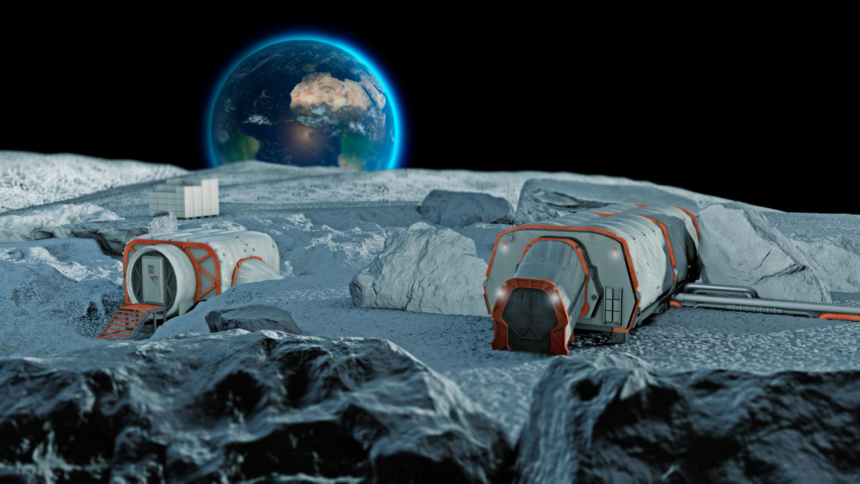
SpaceX resets its timeline, betting the Moon delivers faster progress than the Red Planet.
For years, Elon Musk has treated Mars like destiny. He talks about dying there, evening deeming it as humanity’s insurance policy. He proposes timelines that pull the future closer.
But now, Musk changed the order. During Super Bowl weekend, Elon Musk said SpaceX has already shifted focus. The new priority is not Mars. It is the Moon.
Not a short visit. Not a science outpost. A self-growing city.
Musk says SpaceX can build it in under ten years. Mars, he says, still takes more than twenty. The statement lands quietly on X, but its implications are massive.
The vision does not kill the Mars dream. It delays it. It reframes it. The Moon becomes the proving ground. Mars becomes the sequel.
What’s Happening & Why This Matters
The tweet that resets the roadmap
As millions watch the Super Bowl, Musk posts a blunt update.
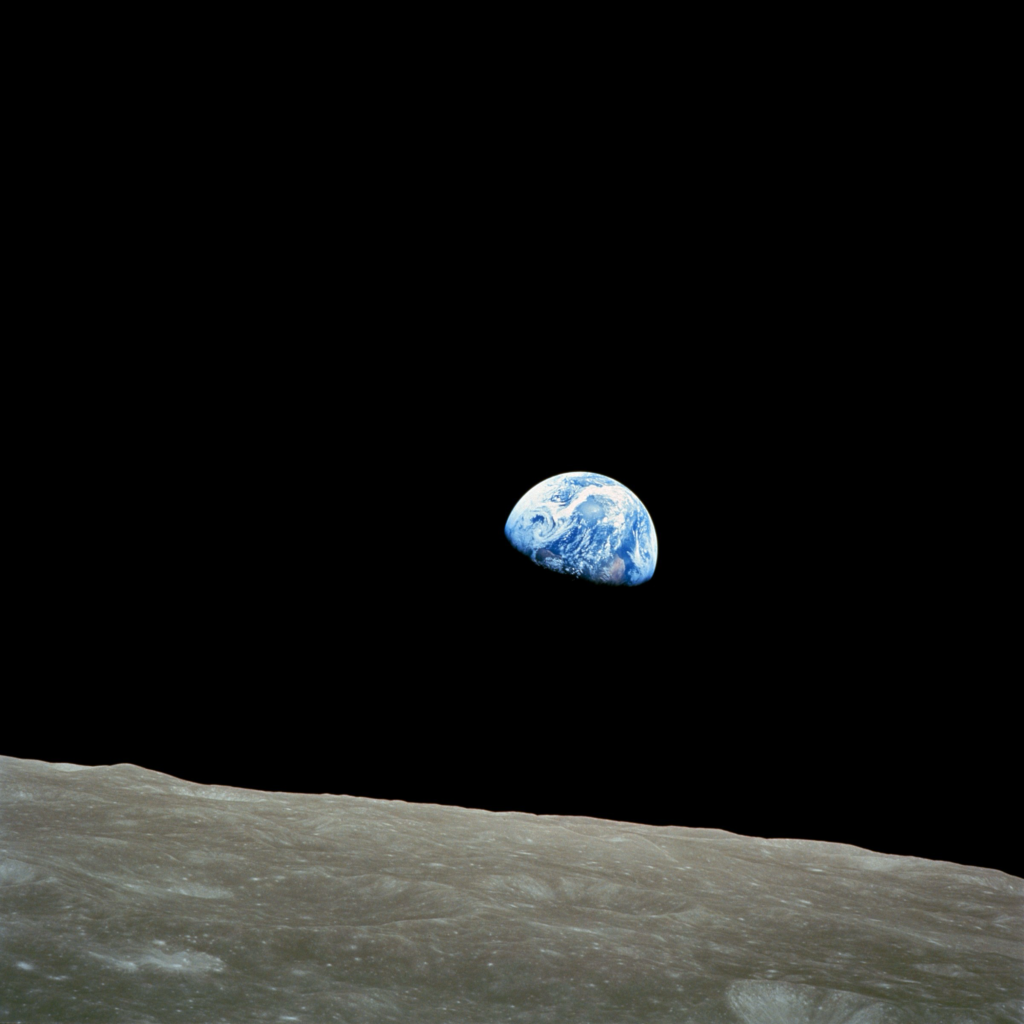
“For those unaware,” he writes, “SpaceX has already shifted focus to building a self-growing city on the Moon.” He adds the timeline math. Moon city in less than ten years. Mars in twenty or more.
The message contradicts his own words from the previous year, when he called the Moon “a distraction” and insisted that SpaceX go straight to Mars.
The change is not philosophical. It is logistical.
Mars launches depend on orbital alignment. The ideal window opens every 26 months. Miss it and wait two years. The Moon does not play that game. SpaceX can launch lunar missions every ten days. Travel time is about two days. Iteration speeds up dramatically.
Musk says iteration is everything.
“You can iterate much faster to complete a Moon city than a Mars city,” he explains.
That single sentence explains the pivot.
NASA, contracts, and competitive pressure
The shift does not happen in a vacuum.
In 2024, NASA reopens a lunar lander contract originally awarded to SpaceX. The agency cites delays tied to Starship development. That reopening creates an opening for Blue Origin, which quickly moves to compete.
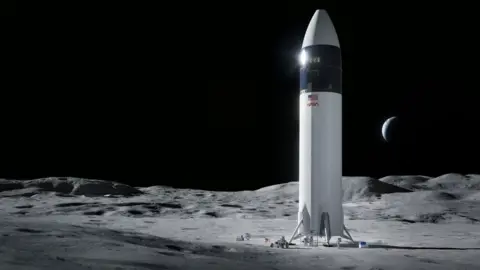
SpaceX responds by simplifying its Human Landing System design. Lunar work moves from future priority to immediate focus.
Behind the scenes, SpaceX also tells private investors that the Moon now comes first. According to the source material, SpaceX targets a Moon-related flight around March 2027.
Mars does not disappear. It moves to parallel development.
“Mars will start in five or six years,” Musk later posts, “but the Moon will be the initial focus.”
Why The Moon Makes Sense
The Moon offers brutal conditions. No atmosphere. Extreme temperature swings. Constant radiation exposure. None of this is easy.
But compared to Mars, the Moon is forgiving.
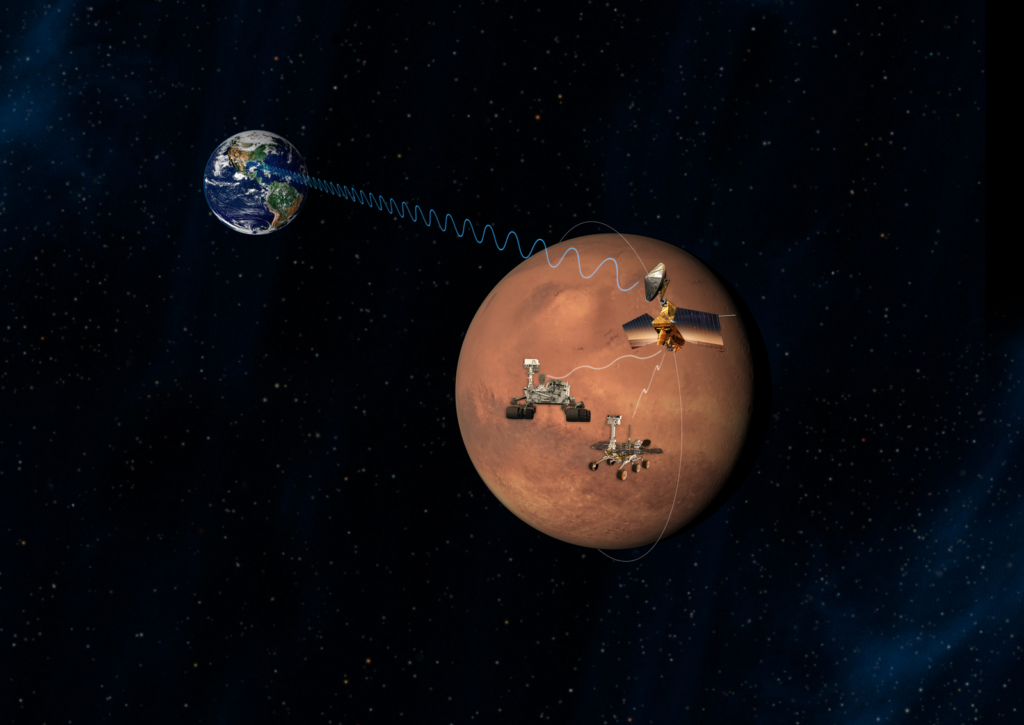
Distance matters. Communication lag with the Moon is seconds. With Mars, it stretches to minutes. Rescue missions to the Moon are possible. Rescue missions to Mars are theoretical.
Fuel logistics also differ. Musk says SpaceX still prefers launching directly from Earth to Mars rather than staging from the Moon. The Moon lacks abundant fuel resources. But it offers something Mars does not.
Speed.
Fast launches allow fast failure. Fast failure offers learning. Learning builds systems that survive.
That logic backs SpaceX’s entire philosophy.
The Meaning of “Self-Growing”
The phrase “self-growing city” sounds abstract. Musk uses it deliberately.
He does not describe a fixed base. He describes an ecosystem. A settlement that expands using its own infrastructure. Manufacturing. Power generation. Life support. Supply chains that reduce dependence on Earth.
The Moon is a test bed for off-world civilization. Musk calls the Moon city as protection against catastrophe. Natural disasters. Human conflict. Extinction-level risks. He calls it a foothold beyond Earth.
This framing echoes his long-held belief that humanity must become multi-planetary. The difference is in sequencing.
Starship Is the Linchpin
None of this happens without Starship. Starship is in active testing. Explosions happen. Lessons follow. Musk treats these failures as progress.
The vehicle underpins everything. Lunar landers. Mars transport. Satellite deployment. Orbital infrastructure.
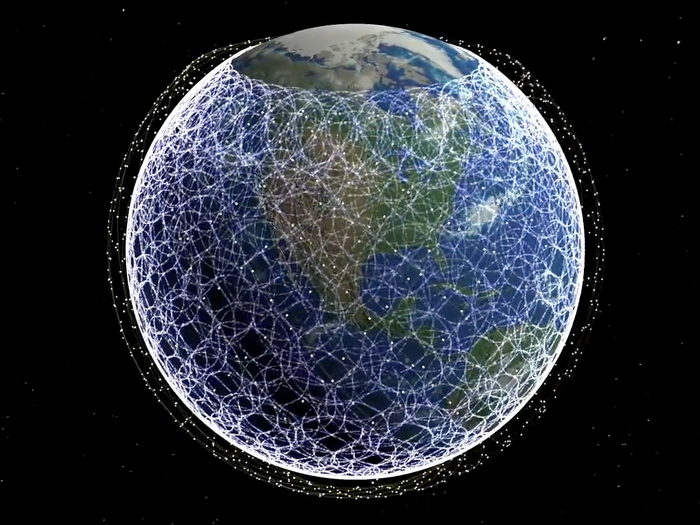
Musk plans to use Starship to deploy next-generation Starlink satellites this year. He also floats a grander ambition — up to one million satellites supporting orbital data centers.
The Moon city fits inside that broader architecture. Space. Compute. Communications. Power.
The vision is increasingly industrial rather than romantic.
Mars: Still alive, But Not First
Despite the pivot, Musk resists the idea that Mars loses priority.
SpaceX’s website still lists “Mars 2026” as a goal. Musk tweets about possible crewed Mars flights around 2031.
The difference lies in credibility.
Mars requires near-perfect execution. Long travel times. Psychological strain. Life-support redundancy. Autonomous systems that cannot fail.
The Moon lets SpaceX practice all of that closer to home.
In this view, the Moon is a dress rehearsal.
Investors, IPOs, and Narrative Discipline
The timing also aligns with business realities.
Foresight predicts SpaceX is preparing for a potential IPO. Reports suggest it may reach $50 billion. Investors care about achievable milestones. A Moon city in under ten years is more tangible than Mars in twenty.
The Moon offers nearer-term wins. Contracts. Launches. Government partnerships. Tangible infrastructure.
Mars is the long-term story. The Moon delivers the near-term proof.
This matters for credibility.
For years, critics accuse Musk of over-promising. The Moon pivot is a recalibration. It trades spectacle for execution.
Why The Space Strategy Change
The reprioritization jumbles SpaceX’s roadmap. It influences national space policy while pressuring competitors. It recasts public expectations.
A permanent human presence on the Moon changes geopolitics. Resource claims. Security concerns. Scientific priorities.
If SpaceX succeeds, the Moon will meet industrialization faster than any previous forecast suggests.
Mars, by contrast, transitions from headline goal to long-game objective.
The last frontier gets a reorg.
TF Summary: What’s Next
Elon Musk diverts SpaceX’s near-term focus from Mars to building a self-growing city on the Moon, citing faster iteration, launch flexibility, and practical timelines. Mars is a parallel ambition, but the Moon is the proving ground for off-world civilization.
MY FORECAST: SpaceX delivers sustained lunar operations before 2030. The Moon city starts small but scales fast. Mars missions follow later, armed with lessons learned closer to Earth. The future does not abandon Mars. It earns it.
— Text-to-Speech (TTS) provided by gspeech | TechFyle