


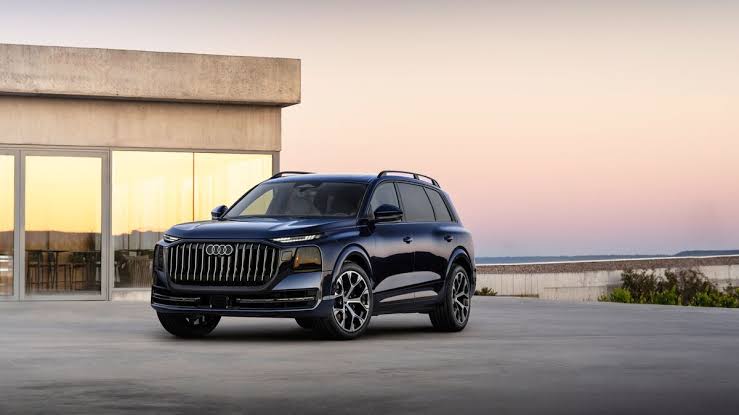
Mercedes has offered a full-size three-row SUV for 19 years. BMW’s had one for nearly seven. Audi just showed up to the fight — with a 591-hp V8 flagship and a name it hasn’t used since the early ’90s.
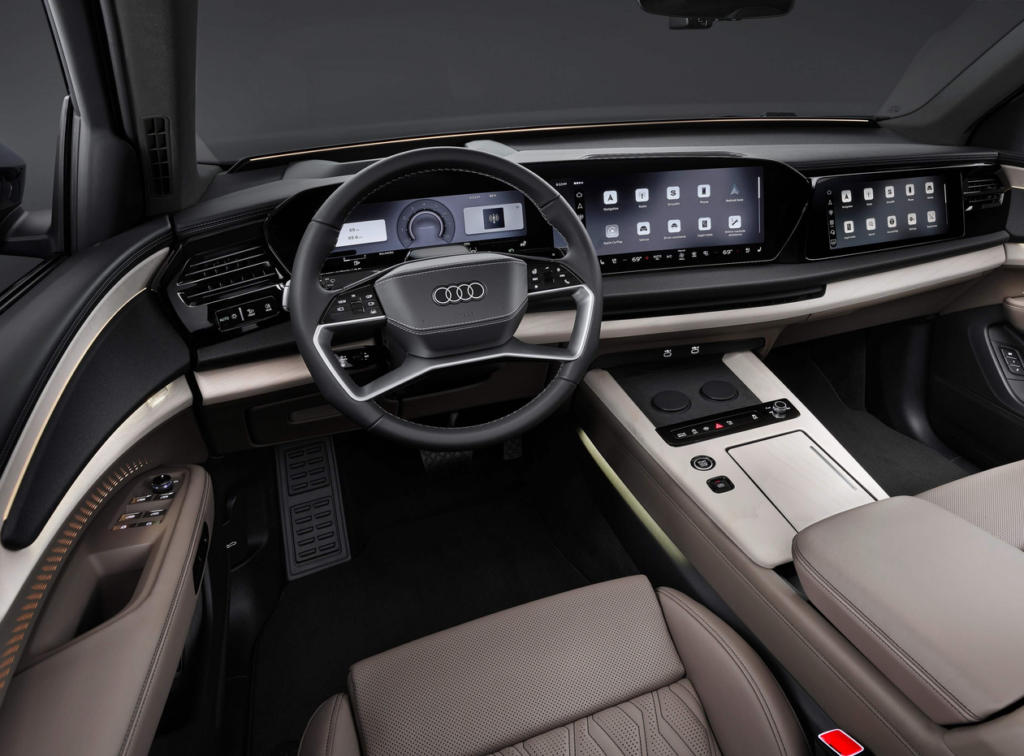
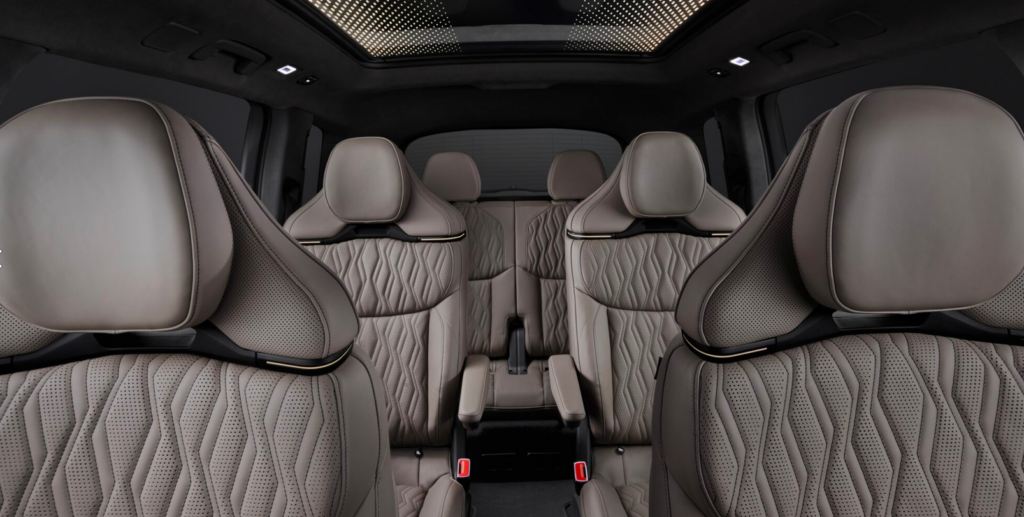
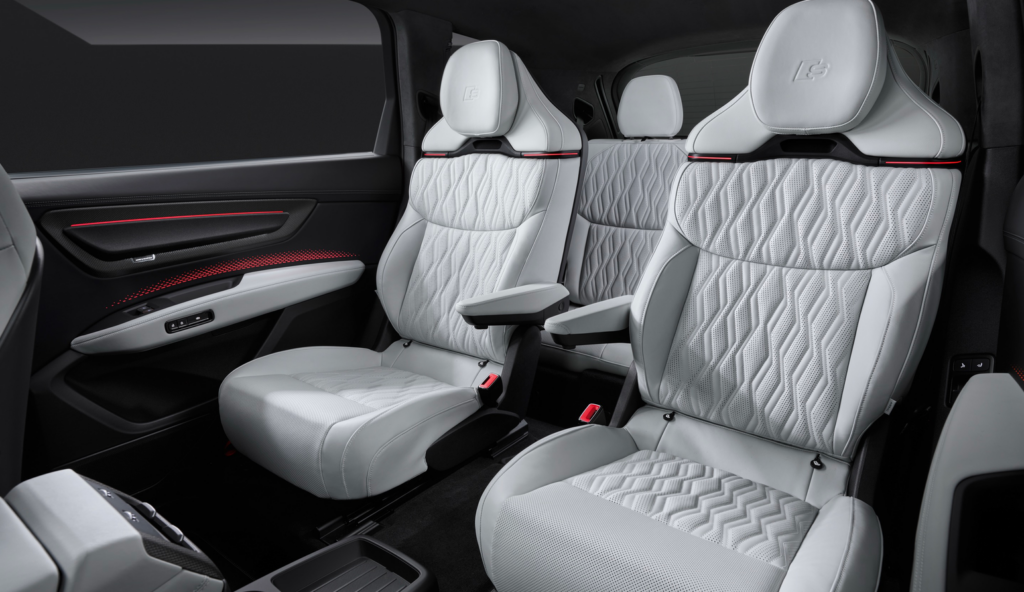
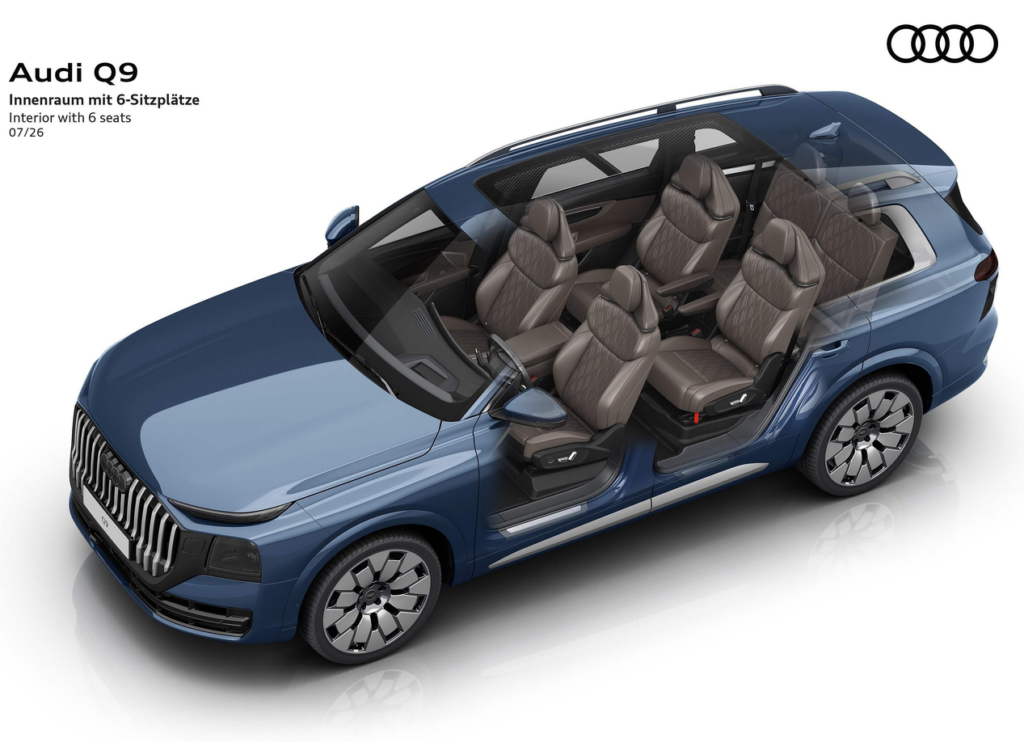
The 2027 Audi Q9 debuted 28 July, and it fills a gap Audi has left open for two decades. Mercedes-Benz has sold a full-size three-row SUV since 2006. BMW’s X7 has been on sale since 2018. Audi never had an answer — until now. CEO Gernot Döllner calls the Q9 “the new flagship of our portfolio.” Audi means it literally: this is the brand’s largest SUV to date. It is also the first model to wear the “9” badge since the early 1990s.
The performance version, the SQ9, arrives with a 591-hp twin-turbo V8 pulled straight from the pre-facelift RS6 Avant. Zero to 60 mph takes 3.8 seconds — the quickest acceleration time in its class, according to Audi. The Q9 reaches U.S. dealers. The SQ9 follows in the fourth quarter of 2026, starting at $119,395.
What’s Happening & Why It Matters
Built for North American Buyers
Audi isn’t hiding the target market for the Q9 SUV. The Q9 was designed around North American expectations from the ground up: real three-row space, adult-friendly second-row comfort, serious towing capacity, and high-output gas engines rather than the smaller displacement units common in European markets.
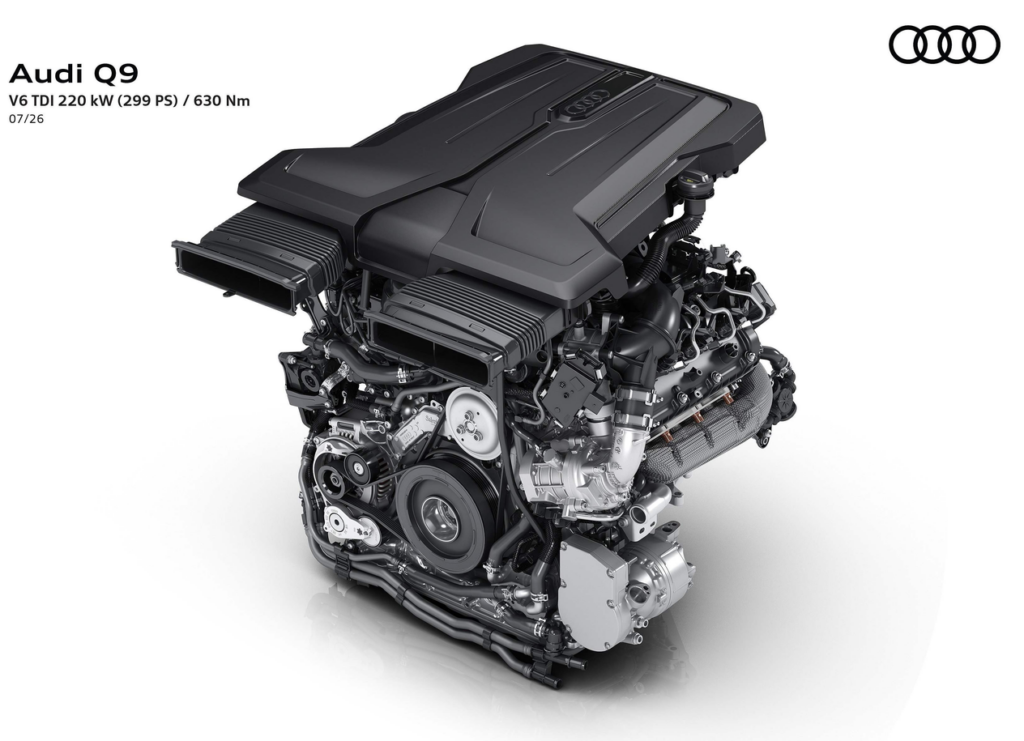
Both the Q9 and SQ9 share an eight-speed Tiptronic automatic, standard quattro all-wheel drive, adaptive air suspension, and a 7,700-pound maximum tow rating when well-equipped. The base Q9 runs a 429-hp, 2.9-liter twin-turbo V6. The SQ9 steps up to that 591-hp V8 with 590 lb-ft of torque, paired with rear-biased quattro and an electronically controlled rear-axle differential lock.
The Lighting System: Legal in America
The Q9 introduces Audi’s Digital Matrix LED headlights with adaptive driving beam technology to the U.S. market for the first time. The system adjusts light pattern and intensity in real time. It illuminates the road ahead while avoiding glare for oncoming drivers and cars in the lane ahead.
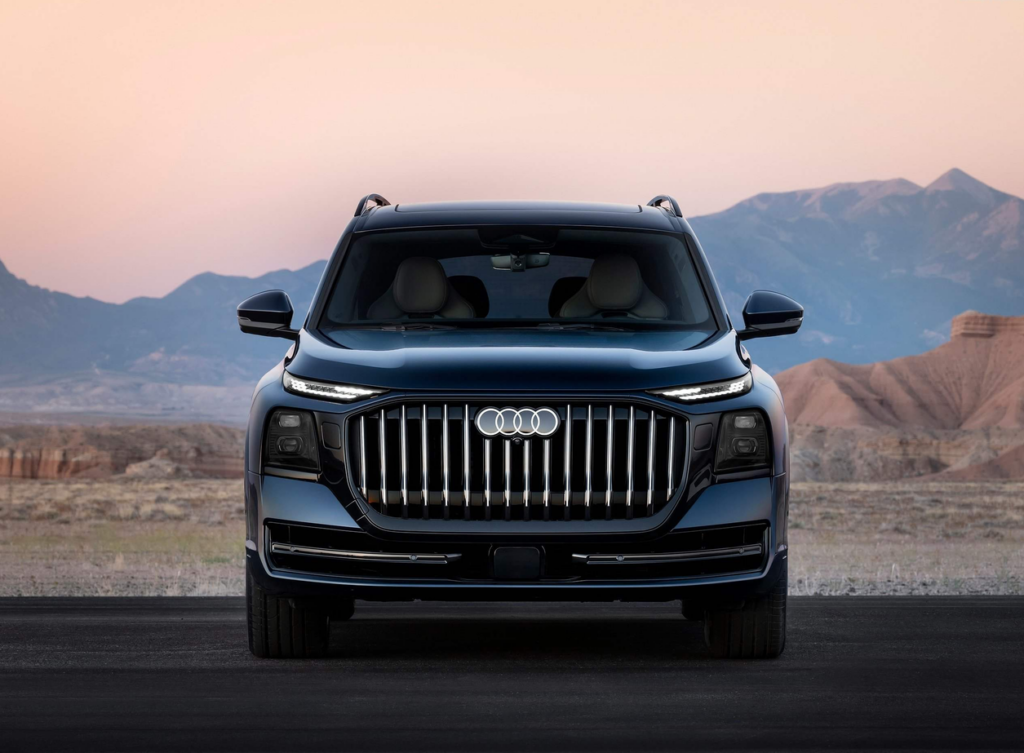
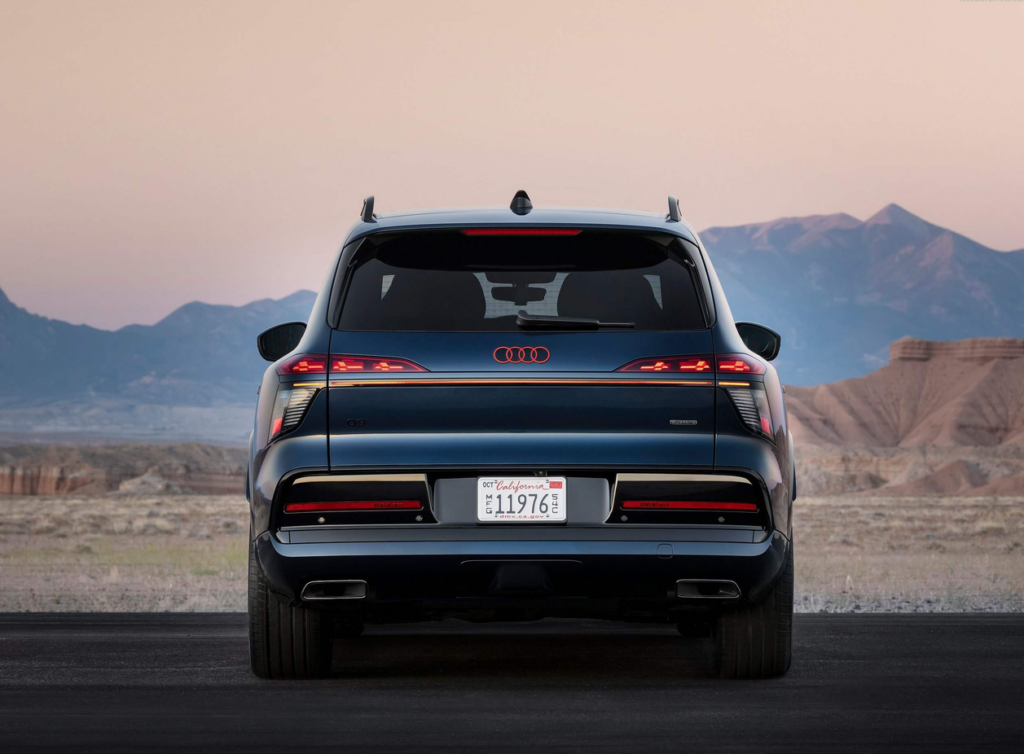
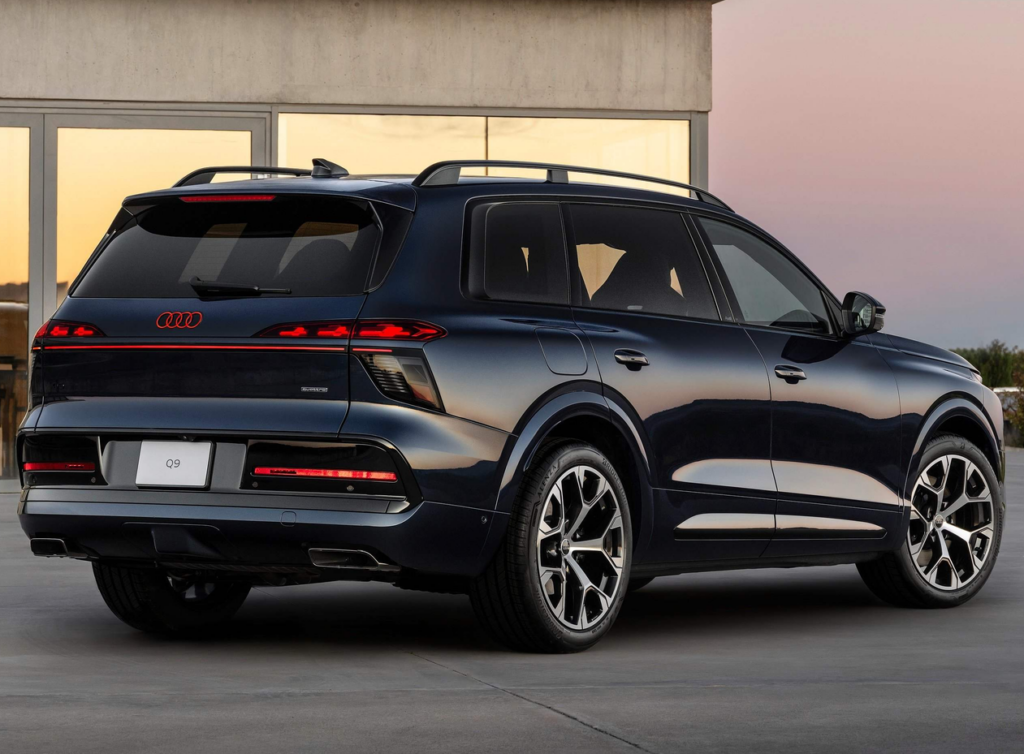
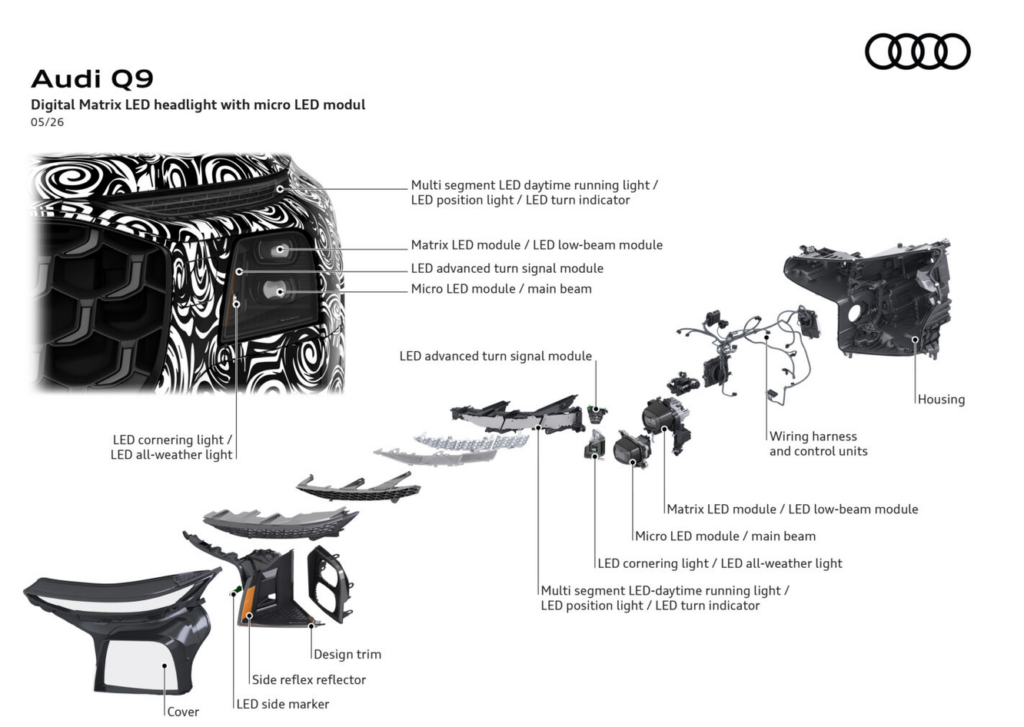
That technology has existed on Audi’s European models for years. U.S. regulations hadn’t caught up to allow it — a regulatory gap that’s closed. As a result, Audi is using that as a selling point on its flagship.
The Comparisons
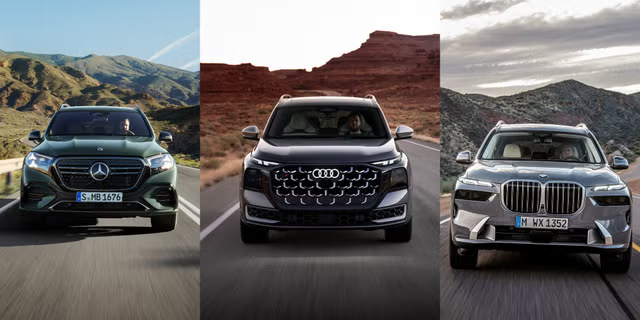
Motor1’s Kevin Williams drove the Q9 and called it “a brilliant full-size flagship SUV,” praising the powertrain choices and the cabin’s lighting tech. Autoblog sees the stakes: the Q9 has the size and spec sheet to compete with the X7 and GLS-Class. The SQ9 has the power to make noise in the segment. What’s still unproven is whether Audi’s biggest SUV is more than an expensive, fast shuttle bus.
That’s the real test. A three-row luxury SUV lives or dies on how it drives with a full load of passengers and cargo, not on a spec sheet. Audi has the numbers. Whether it has the driving feel experience once reviewers get extended time behind the wheel, is yet to be seen.
TF Summary: What’s Next
The Q9 arrives at U.S. dealers later this year, with the SQ9 following in Q4 2026 at a starting price of $119,395. Full pricing for the standard Q9 hasn’t been announced. In addition, Audi has declined to comment on whether a high-performance RSQ9 variant is in development, offering only “no comment” when asked by Motor1.
MY FORECAST: The Q9 will sell well from day one — Audi loyalists who’ve been cross-shopping the X7 and GLS for years have a reason to stay in the brand. The SQ9’s 3.8-second 0-60 time and 591 hp give it genuine bragging rights in a segment that’s prioritized comfort over speed. Expect Audi to confirm an RSQ9 within 18 months once the standard Q9 and SQ9 prove out in the market — the “no comment” response is what a company says when the answer is yes.
Related Stories
- 2027 Audi Q7 and SQ7 Revealed: 591 HP, 3.7 Seconds, No Hybrid
- Lucid Cuts 1,500 Jobs — Its Second Major Layoff of 2026
- Waymo Is Bringing Autonomous Rides to 4 New US Cities