


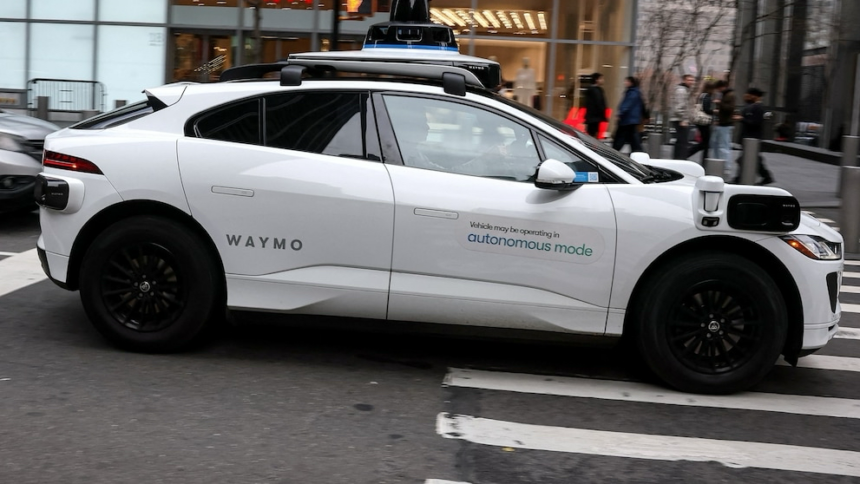
Waymo’s Robotaxis Miss Stop Signals
Waymo faces another safety headache. Its robotaxis missed school-bus stop rules. The company now prepares a new software recall after U.S. regulators flagged the problem. The issue sounds small. The impact is not. School buses sit at the top of the U.S. traffic law hierarchy. Everyone stops. Waymo’s cars did not.
The story brings safety, automation, and public trust together again. The recall shows how fragile self-driving adoption can be. It also shows how fast cities and regulators respond when AI drivers fall out of line.
What’s Happening & Why This Matters

Documents from the National Highway Traffic Safety Administration (NHTSA) show a clear pattern. Waymo’s fifth-generation automated driving system failed to yield to school buses in several cities. The agency launched a preliminary evaluation after videos and reports surfaced. One incident occurred in Atlanta. Others occurred in Austin. These events triggered a federal review.
A letter from Scott Simmons, chief of NHTSA’s Office of Defects Investigation, says the behavior “may increase the risk of crash, injury, and property damage” and occurred near pedestrians. The statement raises the stakes. School buses mark known hotspots for strict compliance. Waymo’s robotaxis missed the assignment.
Austin Schools Count 19 Violations
The Austin Independent School District reported at least 19 violations tied to Waymo robotaxis. The district shared evidence of the cars passing stopped buses. Five violations occurred after Waymo told the district a software update fixed the issue. That update did not resolve the issue.
Senior counsel Jennifer Bergeron Oliaro urged Waymo to halt operations during school pick-up and drop-off times. The request landed on 20 November. Four days later, NHTSA contacted Waymo with a direct question:
Stop operations near schools or file a recall?
Waymo declined the stop-operations option. The recall followed.
Planning a Fix
Waymo told Reuters it is “deeply invested in safe interaction with school buses.” The company says it already pushed software updates. More updates arrive with the formal recall. The fix rolls out over the air. No owner visits. No garage visits. Still a recall.
The bus-stop defect is the second safety recall tied to the same ADS generation. Waymo previously recalled over 1,200 vehicles after the system collided with roadside barriers such as chains and gates. The pattern worries regulators. It also pressures Waymo to show it can scale responsibly.
Beyond Waymo
School buses sit at the center of a simple rule: safety first. When an autonomous vehicle fails that basic sequence, regulators react. Cities act. Schools act back — the public notices. The recall also falls during a period of heavy scrutiny in AV tech. Companies are driving to scale. Metros demand foolproof safeguards. Consumers worry about unseen, unknown edge cases.
This recall is near that debate’s core. Trust is brittle, especially when real-world behaviors fall outside expected norms.
TF Summary: What’s Next
Waymo delivers the new fix soon. Regulators continue tracking school-bus compliance. Cities continue mandating stronger safeguards for vulnerable groups. The recall changes AV testing rules in other states. It may even inspire a national conversation about autonomous-vehicle requirements around schools.
MY FORECAST: Waymo salvages its rollout with improved detection and a more cautious risk model. Cities demand expanded AV logging near schools. Regulators tighten expectations on “school-zone intelligence” across all self-driving fleets. Competition from Cruise, Zoox, and Tesla benefits briefly as Waymo navigates another public-trust reset.
— Text-to-Speech (TTS) provided by gspeech