


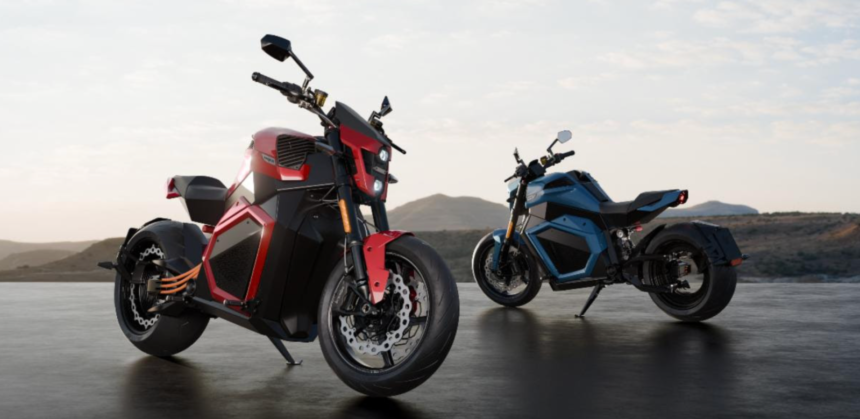
Futuristic electric motorcycle fabricator Verge added an exciting feature: “solid-state.”
Verge Motorcycles says production has started for what the company calls the world’s first solid-state battery electric motorcycle. That claim lands with real force because solid-state batteries spent years trapped in slide decks, lab demos, and auto-industry wish lists. Verge says the bike is real, production has begun in Estonia, and the battery comes from Finnish partner Donut Lab. If those figures hold up outside launch-week excitement, the motorcycle world may have just gained one of the more interesting battery stories of the year.
The machine in question is the Verge TS Pro Gen 2. Verge says buyers can choose between a standard pack with up to 217 miles (350 km) of range and a longer-range version with up to 373 miles (600 km). Charging figures sound even louder. The company says the battery can go from 10% to 50% in about 5 minutes and from 10% to 70% in a bit over 9 minutes. That pace is quick enough to make ordinary EV charging appear a little sleepy.
What’s Happening & Why This Matters
Solid-State Gets Out of the Lab
The biggest part of the story is simple. Verge and Donut Lab say the battery is no longer a prototype living behind glass. They say the pack is entering production motorcycles. Solid-state batteries became one of those technologies everyone loves to praise from a safe distance. Carmakers talk about them. Researchers chase them. Analysts forecast them. Customers seldom get to buy them.
Verge says that the gap has finally narrowed. The company announced that production of the TS Pro Gen 2 is underway at its factory in Estonia, and Donut Lab says the battery is already ready for OEM vehicle manufacturing. That shifts the discussion from “someday” to “show me.”
That is a healthy direction. Battery history is packed with flashy claims that fade under heat, cost pressure, scale problems, or plain physics. A production launch does not prove every promise. A production launch does prove the companies are willing to let customers, journalists, and the market test the story in the real world. That alone gives the announcement more weight than the usual battery-future chest beating.
The Range and Charging Claims
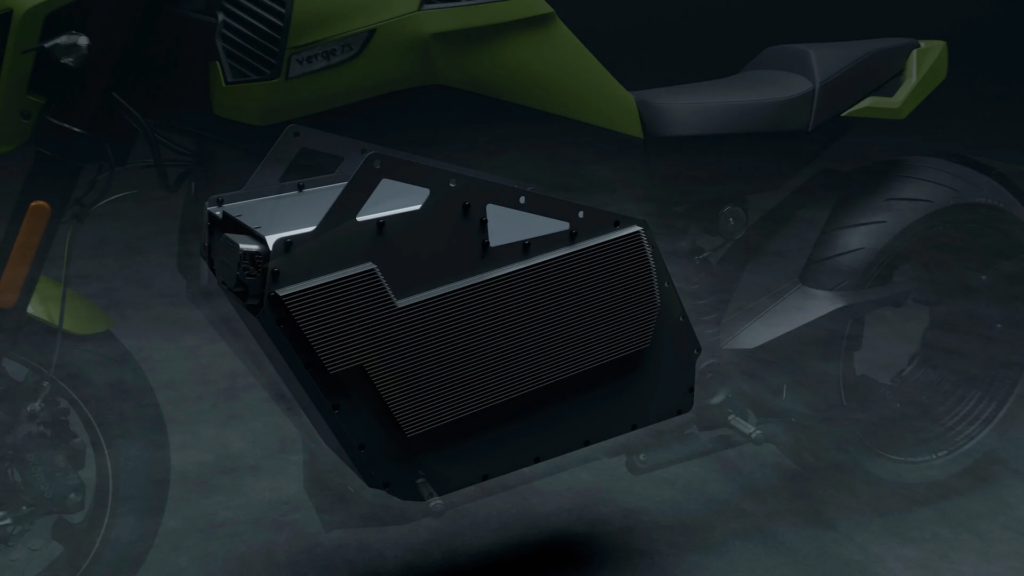
Verge says the standard version uses a 20.2 kWh pack with a nominal capacity of 18 kWh and delivers up to 217 miles (350 km) of range. The longer-range option uses a 33 kWh pack with a nominal capacity of 30 kWh and propels the bike up to 373 miles (600 km). That would give the TS Pro unusually strong touring credibility for an electric motorcycle, not only commuter appeal.
Charging claims are what really raise eyebrows. Verge and Doughnut Lab say the smaller pack supports 100 kW peak charging, while the larger pack supports 200 kW. Donut Lab’s pack-level test results say the system charged from 10% to 50% in around 5 minutes and from 10% to 70% in just over 9 minutes. That kind of performance, if repeatable in daily use, could remove one of the most persistent complaints about electric motorcycles: the stop time is too long for long rides.
That is where the story gets spicy. Solid-state has always sold itself on the promise of better energy density, faster charging, and safer chemistry. Verge is asking customers to believe they can get all three on a road bike, rather than in a white paper.
The Asterisk on Solid-State Batteries
Donut Lab has not publicly disclosed every detail about the chemistry. Solid-state batteries sound simple in headlines, yet the category covers a wide range of materials and architectures. Many past claims in the sector crashed into ugly realities such as dendrite formation, poor durability, manufacturing complexity, and runaway cost.
Key technical details are under wraps, including the chemistry used in the Verge battery. That means outside observers still do not have a full picture of how the pack achieves the claimed performance, what trade-offs are underneath, and how the cells behave over time.
There is already visible skepticism in the market. The Verge recently covered Donut Lab’s follow-up testing after battery damage, noting that although the damaged pack did not overheat, spark, or catch fire, capacity fell sharply. In another report, The Verge noted Donut Lab had tried to rebut criticism that the battery behaved more like a supercapacitor than a typical long-duration energy-storage system.
Those details do not kill the story. Those details do remind everyone that a dramatic launch is not the same as long-term proof.
The Motorcycle Itself
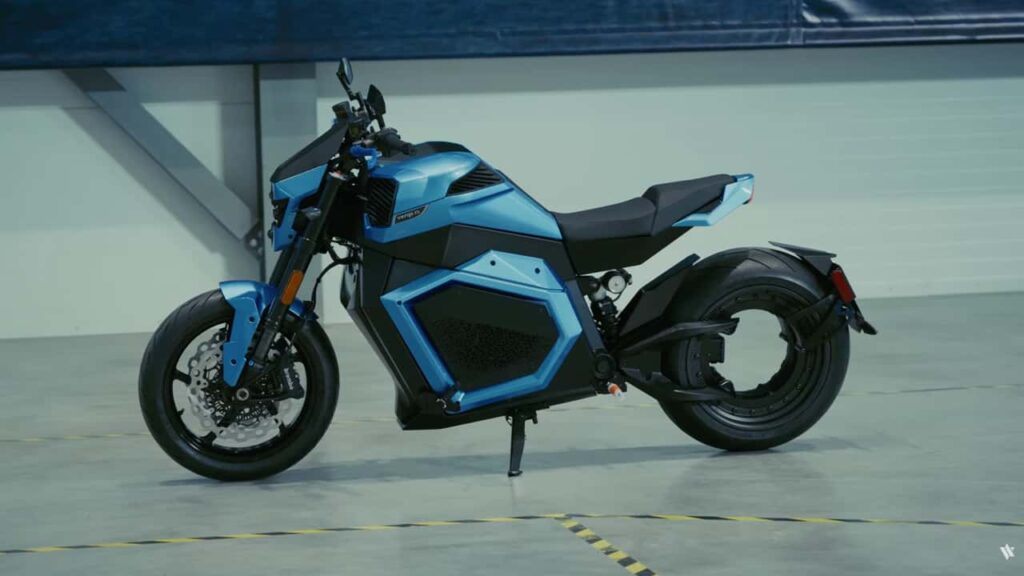
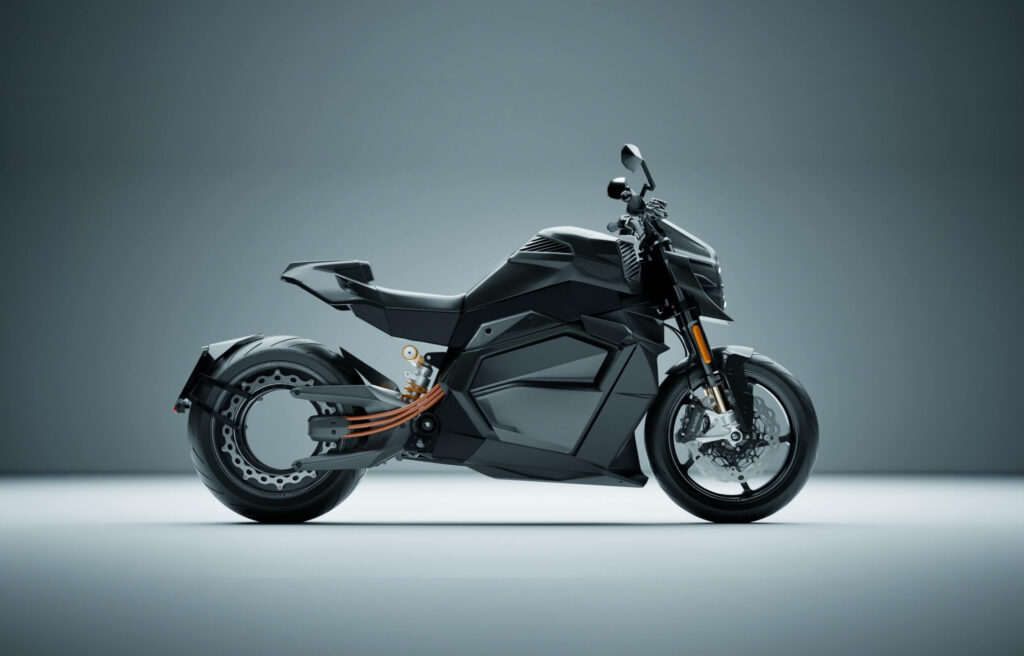
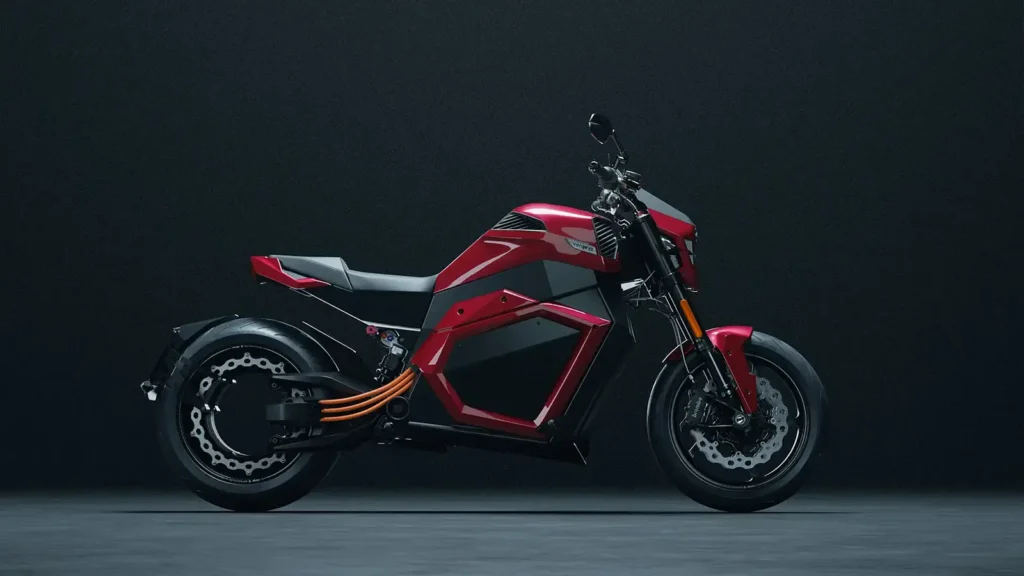
Even without the battery story, Verge has never built wallflower motorcycles. The company already stood out for the hubless rear-wheel design and Donut Motor 2.0 setup. The TS Pro’s claimed peak output is 100 kW, or about 137 hp, with 1,000 Nm (737 lb-ft) of torque. Verge pairs that hardware with the Starmatter interface and over-the-air updates.
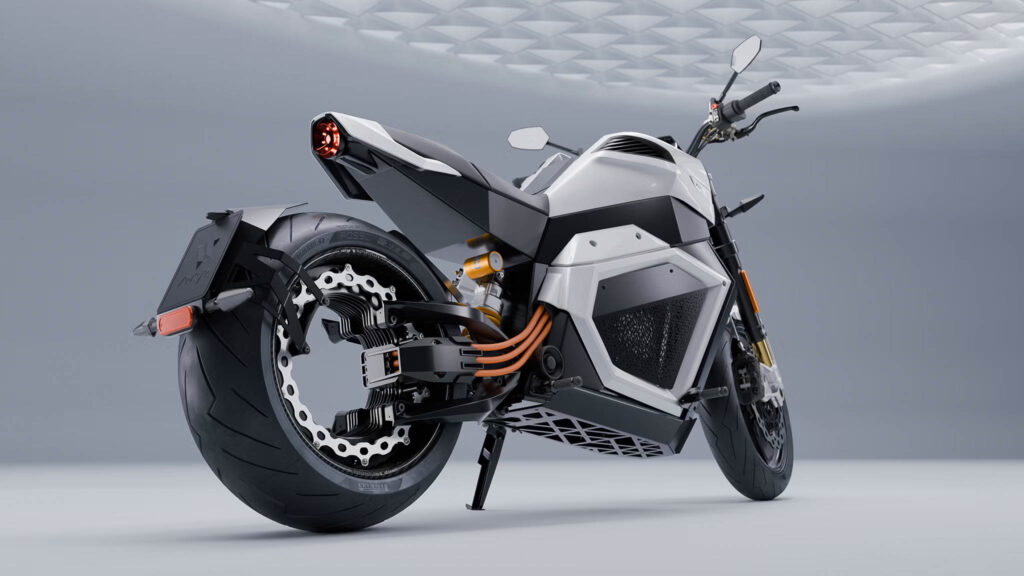
That means Verge is not pitching only a better battery. The company is pitching a complete tech object: dramatic industrial design, futuristic packaging, aggressive performance, software-driven updates, and headline-ready charging times. Motorcycles often sell on emotion first and spreadsheets second. Verge clearly understands that.
The catch is price. The U.S. starting price is listed at $29,990 (€27,700) before taxes and fees, and the larger battery option adds another $5,000 (€4,620). Reservations require a $100 (€92) deposit. Those figures place the TS Pro well above mainstream commuter territory.
So the initial audience is not every rider. The first wave is more likely to come from early adopters, premium EV buyers, design enthusiasts, and battery nerds with a healthy wallet and very little patience.
Solid-State Beyond Motorcycles
Motorcycles are a clever place to prove new battery architecture. Two wheels demand high performance, compact packaging, and convincing real-world usability. If a company can make solid-state work in that environment, the wider industry gets a concrete example rather than a concept slide.
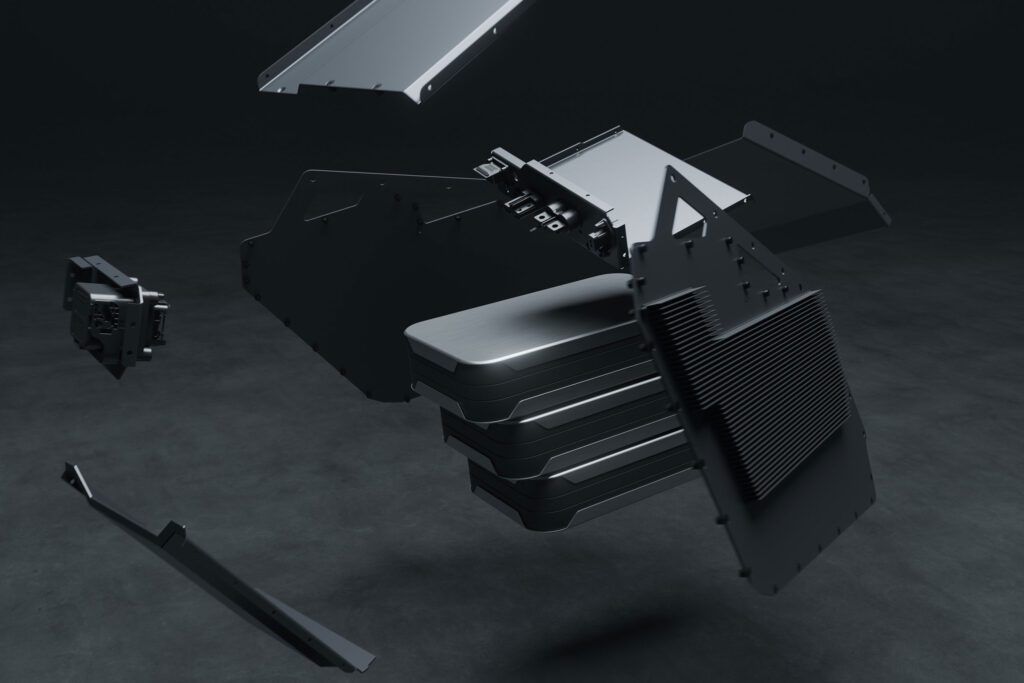
Donut Lab is clearly trying to position itself not just as a motorcycle supplier but as an OEM battery partner. The CES announcement explicitly stated the battery is ready to power production vehicles, not only one flashy bike. Verge is the test case, and every other EV category gets to watch from the grandstand.
There is a wider industrial message here too. Europe is often more adamant on regulation than on breakthroughs in battery products. An Estonian motorcycle company and a Finnish battery startup producing something commercially interesting add a welcome twist. That pairing suggests smaller, agile players are still meaningful firsts as giant automakers keep polishing their timelines.
The Real Test Is the Road
Verge says deliveries for early reservation holders begin in the first quarter, while newer orders should ship toward the end of the year. Public credibility will rise or fall on actual customer experience.
Real riders will answer the questions that launches cannot. Does the charging curve stay strong outside controlled demos? Does the range survive spirited riding, cold weather, and motorway speeds? How does the battery behave after repeated fast-charging sessions? Does performance wane? How stable is the pack after vibration, heat cycling, and the ordinary abuse of public roads?
That is the part battery stories often skip. Lab success is nice. Pack-level testing is better. Customer miles are the final boss.
If Verge’s TS Pro holds up well, the company will have a strong claim to one of the first meaningful solid-state production stories in transport. If the motorcycle stumbles, critics will not be subtle. They will say the industry has once again confused a dramatic announcement with a mature technology.
TF Summary: What’s Next
Verge says the TS Pro Gen 2 is entering production with Donut Lab’s solid-state battery, making the bike the first production motorcycle of its kind. The company’s claims are loud: up to 373 miles (600 km) of range, charging from 10% to 50% in about 5 minutes, and up to 200 kW charging on the larger pack. Those figures, if they register in customers’ heads, could give electric motorcycles a real jolt and put solid-state batteries on firmer ground.
MY FORECAST: Verge will get a wave of attention far larger than the company’s production scale because the bike touches a much bigger industry nerve. The next 6 to 12 months will decide whether the TS Pro is a true milestone or another flashy early-adopter science project. If deliveries go smoothly and riders confirm the charging and range story, other OEMs will scramble to answer. If the data disappoints, solid-state battery skeptics will have a field day.
— Text-to-Speech (TTS) provided by gspeech | TechFyle