


$300 million now. $100 million later, once a decade-old order against Musical.ly gets erased. Biden’s DOJ filed the case in 2024. It settles under a version of TikTok that’s changed owners since.
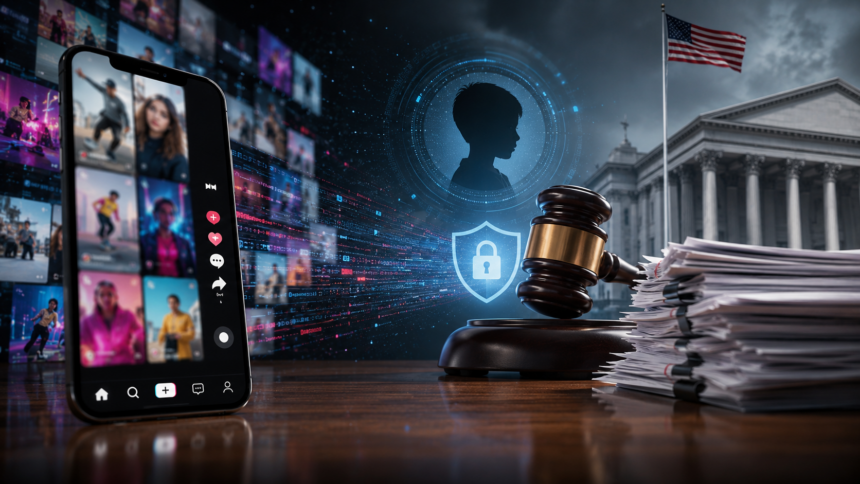
TikTok and parent company ByteDance agreed Friday to pay $400 million, resolving a 2024 lawsuit brought by the Department of Justice alleging violations of the Children’s Online Privacy Protection Act (COPPA). The DOJ said Friday it’s one of the largest recoveries ever obtained in a COPPA case. TikTok will pay $300 million, with the remaining $100 million due once a court vacates an earlier consent decree entered against its predecessor company, Musical.ly. Associate Attorney General Stanley E. Woodward Jr. called it “a major victory for American children and parents.”
What’s Happening & Why It Matters
What the Original Lawsuit Alleged
The FTC first referred the complaint to the DOJ in June 2024, under then-Chair Lina Khan, who said the investigation found “reason to believe” TikTok was violating or about to violate both COPPA and the FTC Act. The formal lawsuit that followed accused TikTok of letting children under 13 create accounts, collecting data from users in its restricted “Kids Mode,” and failing to honor parents’ requests to delete their children’s information. It also alleged TikTok violated the terms of an earlier FTC settlement tied to its 2017 acquisition of Musical.ly.
That earlier settlement is worth understanding on its own. Musical.ly paid $5.7 million to the FTC back in 2019 — at the time, the largest civil penalty the agency had ever secured in a children’s privacy case — after allegations it collected images, voice recordings, and location data from children, some younger than 13. Two FTC commissioners issued a pointed statement then: “These practices reflected the company’s willingness to pursue growth even at the expense of endangering children.” Friday’s settlement closes the loop on that consent decree, seven years later, at a figure 70 times larger.
$300 Million Now, $100 Million Later
The two-part payment structure isn’t arbitrary. TikTok pays $300 million immediately as the primary COPPA penalty. The remaining $100 million becomes due once a court vacates the original Musical.ly consent decree — the legal instrument that’s governed the company’s child-privacy obligations since 2019. Tying that second payment to a formal court order, rather than releasing the full sum at once, gives the DOJ a built-in enforcement checkpoint: the money doesn’t change hands until the old order is retired and whatever conditions attach to that retirement are satisfied.
TikTok settles the case without admitting wrongdoing and without litigation — the standard structure for resolving federal enforcement actions. Axios reported the negotiated changes include stronger safeguards for younger users and improved age-related account controls, though the DOJ’s own statement was less specific about which product changes accompany the settlement.
A Different Company Than Got Sued
Here’s what makes the settlement unusual. The Biden administration’s Justice Department filed the original complaint in 2024. It settles, under a different corporate structure. As Bloomberg noted, the agreement comes several months after ByteDance closed a long-awaited deal transferring parts of its US operations to American investors, resolving separate national security concerns that dominated headlines throughout 2025. The DOJ’s statement acknowledged that TikTok has “undergone significant changes to its ownership, management, compliance functions, and privacy practices” since the lawsuit was filed.
That ownership transition doesn’t erase liability for conduct that predates it — the settlement covers the alleged violations regardless of who is above TikTok’s US operations. But it does mean the company negotiating Friday’s resolution isn’t quite the same entity the original 2024 complaint targeted, a wrinkle that’s made settlement negotiations more straightforward than fighting a protracted case under new management with no stake in the original alleged conduct.
TF Summary: What’s Next
The settlement requires formal court approval before taking effect. TikTok’s $300 million initial payment is due upon that approval, with the remaining $100 million contingent on a separate court order vacating the 2019 Musical.ly consent decree. Neither TikTok nor the DOJ has specified a timeline for either the approval process or vacating the consent decree.
MY FORECAST: Expect court approval to move quickly, given that both parties negotiated the settlement and TikTok isn’t contesting the allegations. The more interesting question is what the “stronger safeguards” and “improved age-related controls” Axios flagged look like once TikTok discloses specifics — vague commitments in a settlement announcement become concrete only under continued regulatory pressure. Watch whether the settlement is a template other regulators cite when pursuing comparable COPPA cases against Snap, Meta, or YouTube, all of which TF has reported facing their own child-safety litigation this year. A $400 million recovery, described by the DOJ itself as one of the largest in COPPA history, sets a financial benchmark for every future negotiation in this space.
Related Stories
- A Reverse Lookup Service Exposed Millions of People’s Faces
- A US Court Rejects Meta, Google, and TikTok’s Lawsuit Immunity Claims
- Meta Knew and Did Nothing, a Whistleblower Testifies in the Child Safety Trial