


Tesla pivots away from legacy flagships as robotics and autonomy take center stage.
Tesla is closing a productive, but strange, chapter in electric vehicle history.
The company reported another steep decline in profits. At the same time, CEO Elon Musk confirmed that Tesla will end production of the Model S and Model X by mid-2026. These cars once defined the brand. Now Tesla treats them like relics.
This moment feels bigger than a product update. Tesla reshapes its identity. The company steps further away from premium EV flagships. It steps deeper into robotics, autonomy, and AI bets that still feel unfinished.
And investors notice.
Tesla’s numbers weaken. Musk’s vision expands. The gap between the two becomes the story.
What’s Happening & Why This Matters
Tesla’s Profits Slide Again
Tesla delivers tough financial results for 2025. The company posts a sharp decline in annual profit and shrinking margins.
According to Tesla’s latest earnings report, net profit falls 46% compared to 2024. Profit margin drops to 4.9%, down from 7.2% the year before. Tesla once reached margins above 20% during its peak years.
That era fades fast.
Tesla sells fewer cars. Revenue falls. Costs rise.
Automotive revenue drops to about $69.5 billion, down roughly 10% year over year. Tesla blames lower sales volume and reduced regulatory credit income. Those credits still matter. They contribute more than half of Tesla’s annual profit.
So Tesla still earns money. But the core car business looks weaker.
Meanwhile, the company’s energy storage unit grows by more than 25%. Services revenue also rises. These divisions now carry more weight than they did a few years ago.
That shift tells us something simple:
Tesla no longer grows like a car company alone.
Tesla Ends Model S and Model X
Then comes the headline that hits longtime fans hardest.
During Tesla’s Q4 2025 earnings call, Musk confirmed that Tesla would stop producing the Model S and Model X by the end of Q2 2026.
His reasoning comes down to one word:
“Autonomy.”
The decision ends two vehicles that built Tesla’s early reputation.
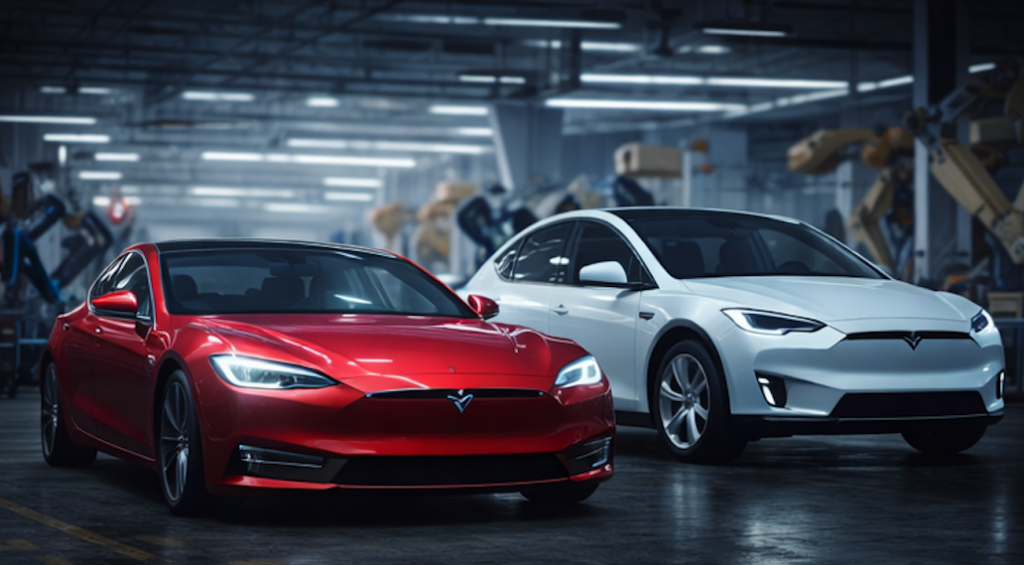
The Model S, launched in 2012, demonstrates that EVs can be luxurious and fast. The Model X, launched in 2015, brings electric SUVs into the mainstream with its signature falcon-wing doors. Together, they help Tesla survive long enough to scale the Model 3 and Model Y.
Today, Tesla walks away. Sales already collapsed. Tesla stops reporting Model S/X numbers separately. Analysts estimated deliveries fell below 50,000 units globally in 2025, including Cybertruck and Semi totals.
The writing sits on the wall. Tesla refreshed the cars in mid-2025 with small cosmetic updates. Then it raised prices by $5,000.
In hindsight, the refreshes seem like a farewell tour.
Musk Redirects Fremont Toward Robots
The bigger twist lies in what replaces these cars. Musk says Tesla uses the Fremont production line for Optimus, Tesla’s humanoid robot project. That is the fundamental pivot.
Tesla plans to transition factory space away from premium sedans and SUVs. Tesla reallocates it toward robotics manufacturing. It’s bold. And risky.
Humanoid robots remain experimental. Tesla has not demonstrated large-scale demand for robots. The Optimus timeline is still unknown. Yet Musk speaks as if this future is already here.
Analysts are skeptical. Many see Tesla stretching itself thin. Still, Tesla’s convictions see its approach as necessary.
The company wants autonomy driven by AI profit. The company wants robotics scale.
Cars are only one piece of the puzzle.
Tesla Bets on AI. Investors Demand a Roadmap to Clarity
Tesla’s outlook presentation offers few specifics. The automaker promises volume production of:
- Cybercab robotaxi
- Tesla Semi truck
- Next-gen Megapack energy storage
- Expanded AI investment returns
But details remain light. Tesla also confirms a $2 billion investment into xAI — Musk’s separate AI company. That raises eyebrows.
Tesla investors ask: Does this spending improve Tesla’s products? What is the company’s outlook?
Or does it fund Musk’s overall AI empire? These arguments get more visceral each quarter. Wall Street wants predictable execution. Musk wants moonshots.
Tesla resides between this rock and hard place.
Competition Surpasses Tesla’s Flagships
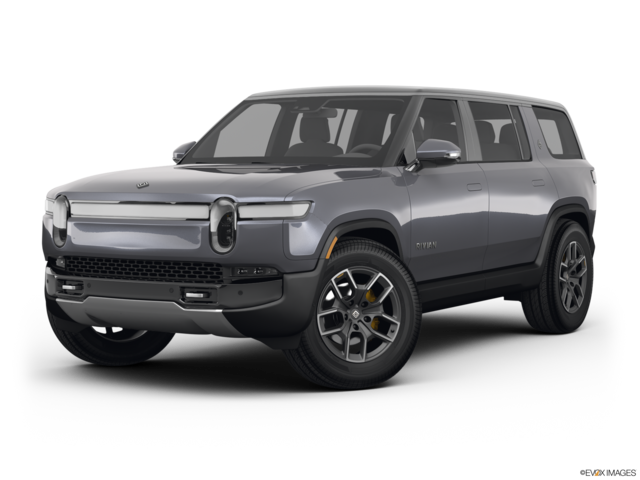
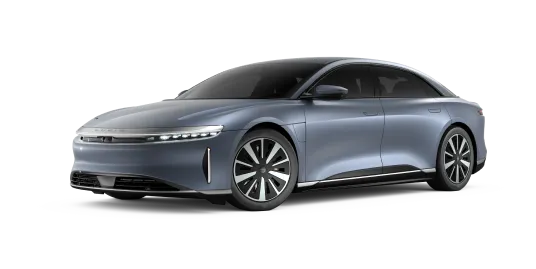
Tesla meets a new reality. Competitors are outperforming the Model S and X. The Lucid Air beats Model S in luxury EV range and refinement. The Rivian R1S challenges Model X in SUV design, capability, and appeal.
Tesla no longer dominates the premium EV space. Instead, Tesla relies heavily on Model Y volume. It relies on pricing realignments. It leans into future autonomy claims.
That strategy works until it doesn’t. The market is tightening.
Beyond Tesla
This story is more than sales and discontinued cars. It denotes a fluctuation in the EV market. The first EV era focused on proving that electric cars work.
The next era focuses on:
- Profitability
- Manufacturing efficiency
- AI integration
- Software revenue
- Autonomy regulation
- Robotics expansion
Tesla stretched further into that next era. But it does so while hurting revenue. That contradiction defines Tesla in 2026. The innovator still leads the cultural imagination while struggling with business fundamentals.
Both truths exist.
TF Summary: What’s Next
Tesla ends the Model S and Model X as profits slide and margins shrink. Musk see the strategy as an autonomy play. Fremont begins preparing for Optimus robot production instead of flagship cars. Tesla invests in its energy business, but its automotive core confronts pressure from competitors and weaker demand.
MY FORECAST: Tesla spends 2026 fighting two battles at once. Investors demand stable earnings. Musk champions robotics and AI at full speed. Tesla either proves autonomy delivers real revenue, or Wall Street forces the company back toward boring, profitable carmaking.
— Text-to-Speech (TTS) provided by gspeech | TechFyle