


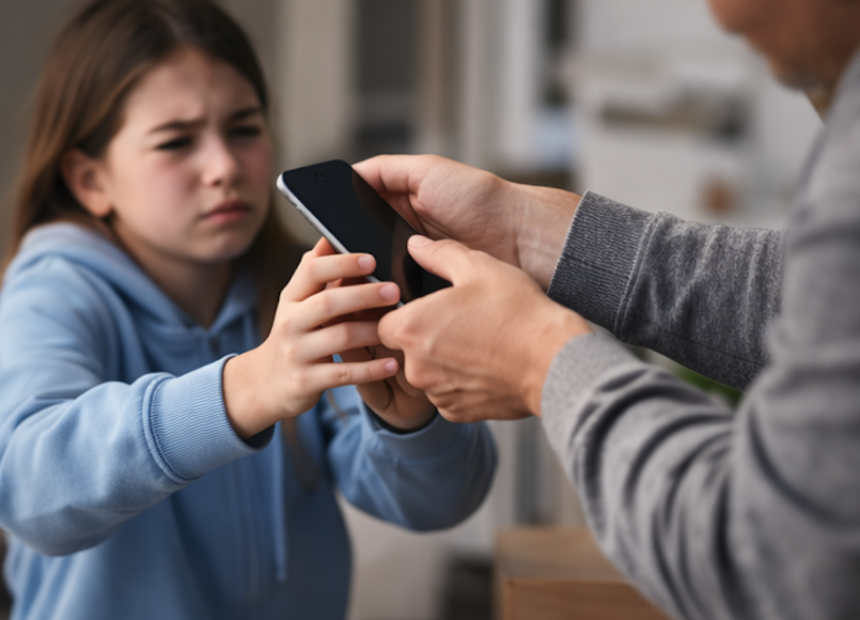
Madrid calls social platforms a “digital Wild West” and targets age checks, algorithms, and executive liability.
Spain moves toward a hard line on teen social media use. Prime Minister Pedro Sanchez says Spain plans to block access to social platforms for anyone under 16. He also says Spain plans strict age verification and new legal pressure on platform leaders.
The policy announcement came after months of quibbling across Europe. Parents worry about addiction loops. Schools worry about distraction. Doctors worry about sleep loss. Lawmakers worry about extremist content and sexual content. Many of them treat teen social media as a public health issue.
Sanchez described the online environment in blunt terms. He says children face “addiction, abuse, pornography, manipulation and violence.” He said Spain will protect them from the “digital Wild West.”
Spain seeks the proposed protection as reality. Spain’s targets include accounts, access, and algorithms. The country will hold decision-makers to account.
What’s Happening & Why This Matters
Policy move: Spain targets under-16 access and calls it child protection
Spain plans to ban social media for users under 16. Sanchez announces the plan at the World Governments Summit in Dubai. He calls the decision a measure to protect children in response to an online space that ignores the law and normalises harm.

Sanchez used language that ignited headlines. He said social media acts like a “failed state…. laws are ignored… and crimes are tolerated.” Mr. Sanchez further said Spain will not accept that.
Spain started the legislative process next week. The rhetoric turned into a bill. It also starts a clock. Spain needs a legal definition for “social media platform” with enforcement rules, penalties, and a system that works at scale.
Mr. Sanchez noted a more rigid stance than many peers. Sanchez plans to hold social media executives criminally liable if they fail to remove illegal or hateful content. That is a different style of pressure. Fines target the company. Criminal liability targets the bigwigs.
Spain is also after amplification. Spain will treat “algorithmic manipulation and amplification of illegal content” as a new criminal offence. That strategem targets recommendation engines, not user posts.
The feed is the product. The algorithm drives attention. Attention drives ads. So Spain is not only regulating content. Spain is challenging the mechanism that forces content into teen screens.
The Policy Rises or Falls on Verification
Age verification is the hard part. A ban without strong checks is a “box-tick” exercise. Spain wants tools that go beyond self-declared age.
That is where public trust gets messy. Strong age checks often require proof of identity — privacy and security concerns. A verification database is a high-value target.

The solution to block minors and reduce data risk. Spain can adopt age-verification models that do not store identifying data. or utlise third-party verification providers. The platform-level checks are tied to devices and payments.
Yet no method is perfect. Kids share devices, borrow IDs, or use VPNs. They learn and apply workarounds.
Australia’s experience shows the tradeoffs. Australia is the first country to implement a blanket U16 social media ban. Early reports indicate that platforms removed about 4.7 million accounts linked to underage users. Yet reporting also says teens find ways around checks.
That is why Spain’s real test is not “passing a law.” Spain’s test is building enforcement that does not collapse under reality.
Spain also links enforcement to platform design. If Spain treats the algorithmic boosting of illegal content as an offence, it compels platforms to prove they detect and suppress such content. Platforms will need better logging, reporting, and faster response cycles.
There is an impact on smaller platforms. Big platforms can fund compliance teams. Smaller platforms struggle. Regulation often increases the advantage of large incumbents. Lawmakers will need to decide if that outcome is acceptable.
Spain Joins a Widening Teen-ban Wave
Spain does not move alone. Australia enacted the first prominent under-16 ban. France supports an under-15 ban and is considering fast-tracking it. Denmark signals a move toward an under-15 limit. Britain debates similar steps.
Spain is also joining forces with five other European nations to advance stricter, faster enforcement. Sanchez calls it a cross-border fight. That group hints at coordinated action across jurisdictions. That coordination matters because platforms operate across borders.
Cooperation is significant for EU member states due to the Digital Services Act. The DSA focuses on platform duties, risk assessments, and penalties. Spain’s approach goes beyond corporate fines. Spain addresses criminal offences linked to algorithms. That sets up a potential clash or a new layer on top of EU rules.

The strategy matters for platforms because the target is not teen usage alone. The target is “harmful dynamics.” That includes addiction loops, hate exposure, adult content, and manipulation.
Obstacles Ahead
If Spain enforces age checks, platforms will redesign onboarding flows. They will redesign account recovery and recommendation defaults for minors. They will need to reduce data collection for youth accounts to lower legal exposure.
The ad market will feel it too. Teens influence household spending. Teens drive trend cycles — teens seed culture for young adults. If Spain blocks U16 access, then platforms lose a segment. Brands lose reach. Influencers lose early followers. That pressure will push platforms to lobby and to litigate.
The policy changes family dynamics. Parents often struggle to enforce limits. Platforms are usually designed around retention, not restraint. A legal ban gives parents leverage. A supportive policy provides schools with a cleaner rule. Yet it can also drive teen behaviour underground. Teens may adopt smaller apps or even private group chats.
So the ban can reduce public social media posting without reducing screen time. Spain will need measurement and data on mental health outcomes. Analysis will require evidence on sleep, anxiety, bullying, and attention.
That is the big “why this matters” point.
Spain is not only banning an app category. Spain is running a national experiment in digital childhood.
TF Summary: What’s Next
Spain moves to ban social media for under-16s and to force strict age verification. Prime Minister Pedro Sanchez frames the policy as protection from a “digital Wild West.” Spain eyes tougher enforcement through executive liability and new criminal offences linked to algorithmic amplification of illegal content.
MY FORECAST: Spain passes a headline-grabbing law soon, then spends months fighting the implementation battle. Platforms resist through lobbying and legal arguments. Spain further refines the rules around age checks, privacy-safe verification, and algorithm audits. Greater Europe follows suit with more coordination.
The winning model pairs strict access controls with transparency on recommendation systems.
Text-to-Speech (TTS) provided by gspeech | TechFyle