


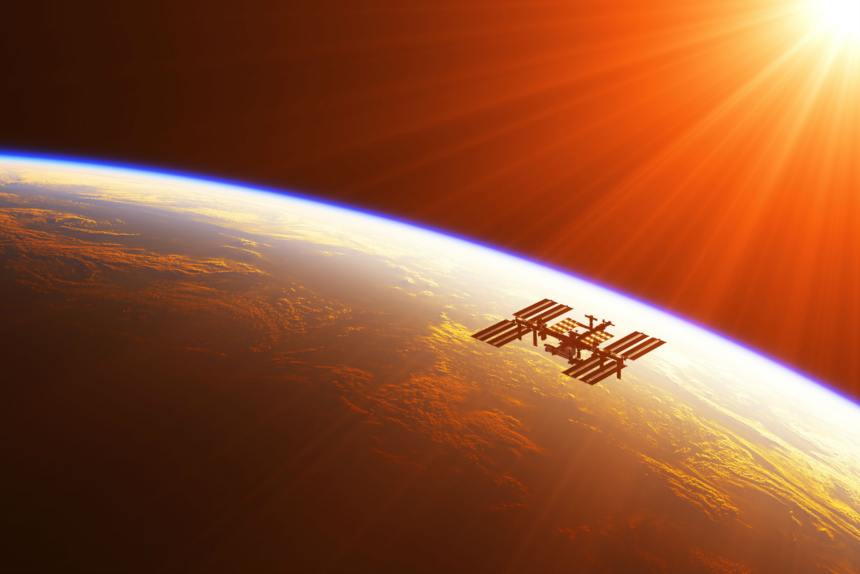
A New Space Age Ignites as Superpowers and Private Giants Accelerate Lunar Ambitions
Humanity is in a second great space race. This time around, governments share the stage with private companies. The stakes are larger than flags and footprints. Control of space infrastructure, communications, defense capability, and future economies hangs in orbit.
China unveiled powerful new rockets and a Moon-ready spacecraft. The United States pushes forward with Artemis missions. Meanwhile, SpaceX continued launches that make spaceflight look routine. Each participant is chasing reliability, cost reduction, and strategic advantage.
The competition no longer resembles the Cold War sprint to the Moon. It’s a marathon with multiple finish lines. Lunar bases, commercial stations, satellite networks, and deep-space travel all form part of the prize. The result feels less like science fiction and more like geopolitics with rocket exhaust.
What’s Happening & Why This Matters
China Tests Lunar Hardware and Reusable Rockets
China demonstrated a clear intent to be a dominant space power. Engineers tested the massive Long March 10 booster, a rocket designed for both lunar missions and heavy payloads. The vehicle uses multiple engines and incorporates reusable technology — a domain once dominated by SpaceX.
China also advanced its Mengzhou spacecraft, whose name translates to “dream vessel.” The capsule underwent abort testing and splashdown recovery, critical steps for crew safety certification. Officials state that recovery success “lays the foundation” for full-scale flight testing.
The Long March 10 system is designed to deliver up to 70 metric tons to low-Earth orbit. It can also send a heavy spacecraft toward the Moon. These capabilities signal long-term lunar ambitions, not symbolic missions.
Multiple Chinese companies are developing reusable rockets. Some prototypes reached orbit, though not all boosters landed successfully. The volume of activity suggests a coordinated national push. China wants sustainable launch capacity, not occasional spectacle.
From a strategic lens, reusable rockets lower costs and increase launch frequency. The combination remakes space from an elite domain into operational territory. Whoever masters rapid reuse gains a logistics advantage similar to owning aircraft carriers in the 20h century.
SpaceX Keeps the Orbital Assembly Line Running
While governments plan, SpaceX is executing. The company launches astronauts regularly and maintains a cadence that is closer to commercial aviation than experimental rocketry.
A recent mission carried four astronauts to the International Space Station, restoring crew levels after weeks of operating with a minimal staff. The launch was delayed by weather, but proceeded once conditions improved.
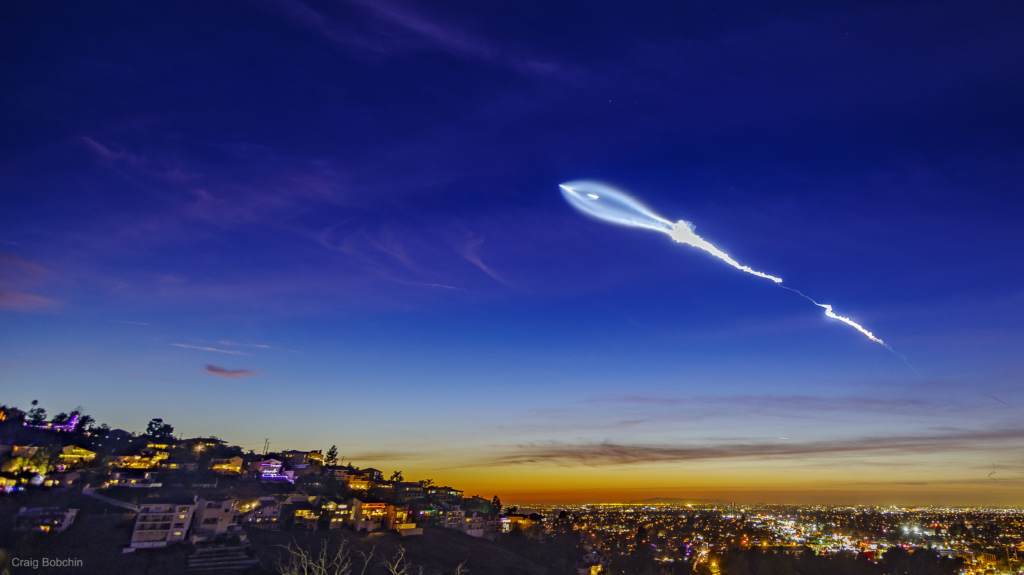
NASA contracts SpaceX to transport crews, illustrating how private companies provide essential national capability. This shift changes the economics of exploration. Governments no longer build every vehicle. They purchase services instead.
The station’s reduced staffing notes why launch reliability matters. Fewer astronauts mean less scientific output. NASA leadership emphasizes the need to maximize research value from the aging laboratory, which costs billions annually to operate.
SpaceX also supports wider goals. Research conducted in orbit informs future commercial stations and deep-space missions. The company’s reusable Falcon rockets enable frequent launches, reinforcing the U.S. presence in low-Earth orbit.
In effect, SpaceX functions as both contractor and strategic asset. Its technology underpins NASA programs and commercial satellite networks alike.
The United States Pursues Lunar Exploration
The United States sees beyond orbit. NASA is preparing missions to orbit the Moon and eventually land humans there again. The Artemis program represents a long-term effort to establish a sustained presence, not just brief visits.
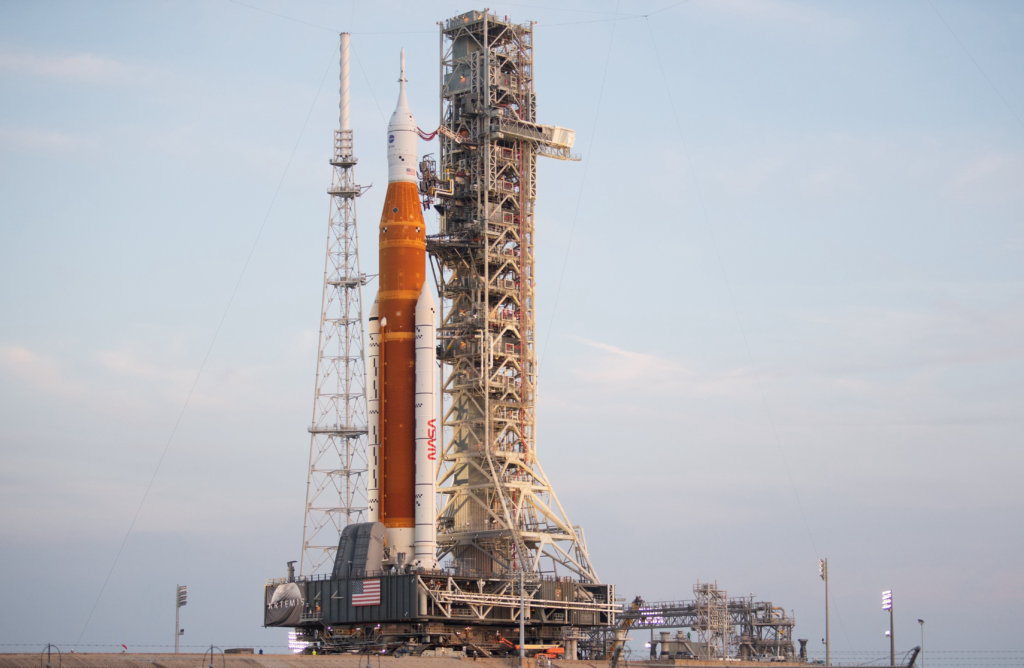
Unlike earlier missions, modern plans involve international partners and commercial suppliers. The approach spreads costs while building a coalition. It also reduces dependence on any single provider.
However, timelines remain fluid. Lunar landers and infrastructure require extensive testing. Some systems still sit years away from operational readiness. Meanwhile, competitors continue to advance.
The dynamic creates a paradox. The United States leads technologically in many areas, yet faces pressure from faster development cycles elsewhere.
Why the New Space Race Matters on Earth
Space exploration changes terrestrial life more than most people realize. Satellites enable navigation, communications, climate monitoring, and financial systems. Control of launch capability influences military readiness and economic resilience.
The Moon itself offers strategic value. Future bases could support deep-space missions or host resource extraction. Water ice at the lunar poles can produce rocket fuel. That capability turns the Moon into a refueling depot for Mars and beyond.
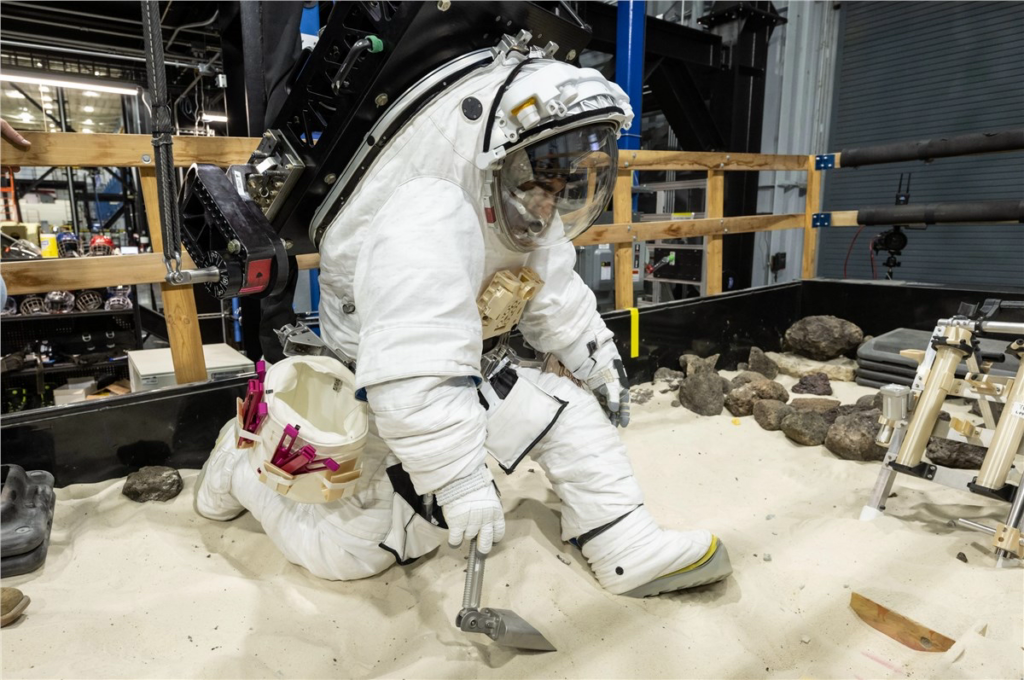
Private industry also spies an opportunity. Tourism, microgravity manufacturing, and orbital infrastructure promise new markets. Analysts increasingly describe space as the next industrial frontier.
Competition drives innovation but also risk. Rapid development increases the chances of accidents. It also poses questions about governance. International rules generally lag behind technological reality.
The situation resembles the early days of aviation. Nations experiment, businesses invest, and regulations struggle to keep pace. Humanity learns to fly again — this time above the atmosphere.
TF Summary: What’s Next
The modern space race unfolds across multiple fronts. China tests heavy rockets and lunar vehicles. The United States prepares deep-space missions. SpaceX delivers launch reliability that enables sustained operations. Each actor pursues different goals, yet all move toward permanent presence beyond Earth.
MY FORECAST: In the coming years, expect more reusable rockets, commercial stations, and lunar infrastructure plans. Competition will intensify as costs drop and access expands. The winners will not only plant flags. They will shape the economic and security architecture of space itself.
— Text-to-Speech (TTS) provided by gspeech | TechFyle