


Order a MacBook Air today, and Apple won’t ship it until late August. In some cities, the shelves are empty. Apple is nudging shoppers toward a pricier MacBook Pro instead — something the company has almost never done before.
The global memory shortage has reached Apple’s most popular laptop. Retail sources tell Bloomberg’s Mark Gurman anyone ordering a MacBook Air today won’t receive one until the end of August, and some configurations slip into September. Apple already raised the MacBook Air’s price from $1,099 to $1,299 in June. The laptop is hard to find. “Across its website and retail stores, Apple is steering customers toward the base MacBook Pro instead of the Air — something it has rarely, if ever, done,” Gurman wrote. Some marketing materials carry a blunt disclaimer: “MacBook Air subject to availability.”
What’s Happening & Why It Matters
The Shortage Started With Data Centres

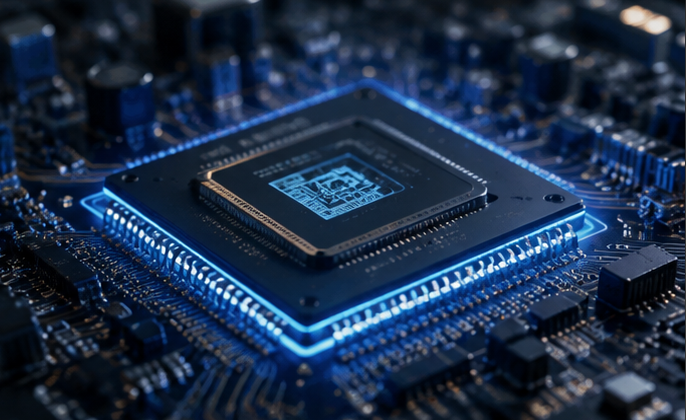
The root cause has nothing to do with Apple’s own manufacturing. Memory makers are reallocating DRAM production capacity toward the high-bandwidth chips AI data centres need, leaving less supply for consumer devices. TrendForce data shows contract DRAM prices rose 90-95% quarter-over-quarter in Q1 2026, then jumped another 58-63% in Q2. Analysts describe the squeeze is likely to persist into 2027 or 2028.
Apple’s own vertical integration in chip design doesn’t provide protection here. The company builds its M-series silicon in-house, but memory remains a commodity purchased on the open market, the same pool hyperscalers are locking up through multi-year supply contracts. Buyers without those long-term agreements pay spot prices instead. Apple has more buffer than a smaller PC maker, but a MacBook Air slipping to September shows what exposure means once it reaches store shelves.
Mac Mini and Mac Studio First Affected
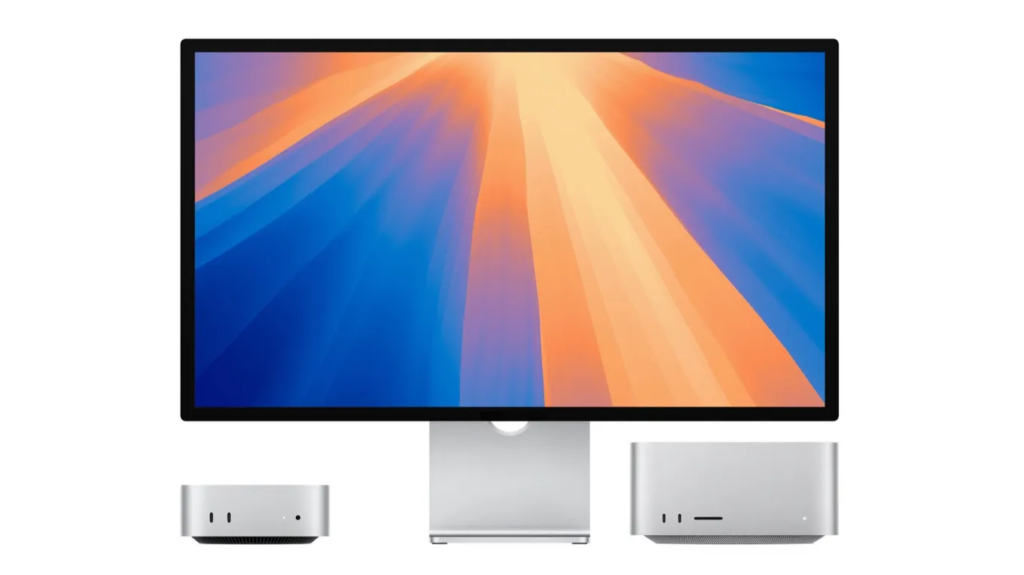
The MacBook Air shortage didn’t appear out of nowhere. Gurman reports the same memory crunch had already hit Apple’s more niche desktop computers, the Mac mini and Mac Studio, months before the Air ran short. Both models have gone in and out of stock at retailers for weeks, with long shipping delays depending on configuration. The Air’s disruption marks an escalation from a problem confined to lower-volume products into Apple’s single best-selling laptop.
Apple is working two angles to manage the crunch. Gurman reports the company is raising prices further and preparing to source memory from Chinese suppliers, at least for devices sold in China. Apple also delayed its usual back-to-school promotional push from June, a scheduling shift lines up with the supply gap.
Xbox Prices Higher in Europe
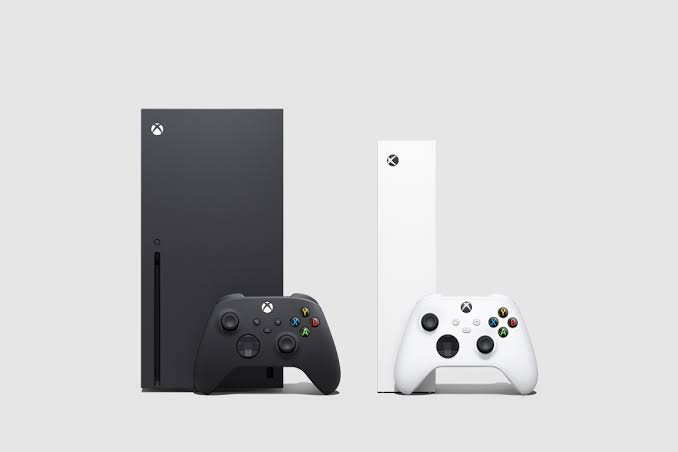
Apple isn’t alone in passing the memory crunch to customers. Microsoft’s own Xbox price increases, which TF covered when they were first announced in June, took effect 1 August and hit European buyers harder than American ones. In the US, prices rose $100 to $150 depending on the model. In the EU, the same consoles cost €150 to €200 more. UK buyers face increases of £130 to £170. At current exchange rates, an entry-level Xbox Series S costs $575 for European shoppers.
Microsoft’s own June blog post explained the scale of the problem: “Console storage and memory prices have increased by more than 2.5x and we expect another doubling by the fall of 2027.” The company noted consoles face a harder squeeze than phones or PCs, since consoles are sold below their manufacturing cost to begin with, making any component price spike hit the sticker price faster and harder.
TF Summary: What’s Next
Apple has not confirmed when MacBook Air supply will normalise, though current delivery estimates point to late August at the earliest. Additional Mac pricing adjustments remain possible, according to 9to5Mac’s sourcing. Microsoft has warned of a further memory and storage price doubling by fall 2027. The warning applies across the entire consumer electronics industry, not just Xbox. TrendForce forecasts the DRAM supply squeeze continuing toward 2027-2028.
MY FORECAST: Expect the MacBook Air shortage to persist through the fall, given TrendForce’s own multi-year supply squeeze forecast and Apple’s own admission it’s sourcing memory from Chinese suppliers as a stopgap. The sourcing shift signals Apple doesn’t expect Western memory supply to normalise soon. Watch for Dell, HP, and Lenovo to announce comparable consumer laptop shortages within the next two months, following the same pattern that hit Apple’s Mac mini and Mac Studio before reaching the MacBook Air. The console price gap between US and European buyers will widen too, since Microsoft’s own June warning about a second doubling by 2027 hasn’t been priced into current European tags yet.
Related Stories
- Apple, Microsoft, and Sony Raise Device Prices — AI-Driven Memory Shortage Is the Cause
- Chip World in Chaos: $518B Investment, a Smuggling Raid, a Price-Fixing Lawsuit, and a Record Surge
- Chinese Memory Chipmaker CXMT Surges on Stock Market Debut