


Anthropic’s moral code and ethics tick-off U.S. military ambitions.
The Pentagon’s AI shopping spree came to a dramatic end. After a public clash with Anthropic over military use restrictions, the U.S. government pivoted to OpenAI for critical defence technology. In a world where software already guides drones, logistics, intelligence, and cyber operations, who supplies the brain matters as much as the weapons themselves.
The dispute centres on whether powerful AI systems should assist with mass surveillance or autonomous weapons. Anthropic says no. The U.S. defence establishment says it needs flexibility. President Donald Trump’s administration escalates the fight, labels the company a security risk, and prepares to cut it off. Within hours, OpenAI steps in to fill the vacuum.
The episode reveals something bigger than corporate rivalry. It exposes a new geopolitical battleground: control over the most capable AI systems on Earth.
What’s Happening & Why This Matters
Pentagon Pressures AI Firms for Unrestricted Use
Anthropic refuses to loosen guardrails on its Claude models. The company bans applications involving mass domestic surveillance and fully autonomous weapons. CEO Dario Amodei explains the reasoning in blunt terms. Some uses, he says, risk undermining democratic values rather than defending them.
He writes that while AI can help defend democratic nations, current systems lack reliability for lethal autonomous decision-making. The company also fears that large-scale surveillance tools could be abused before laws catch up to the technology.
Anthropic offers to collaborate on research to improve reliability instead of removing safeguards. The Pentagon declines.
Government officials respond with visible frustration. Defence leaders insist they only want “lawful” use of AI systems. They warn that limiting access could endanger troops and hinder military planning.
The clash reveals two worldviews colliding. One prioritises ethical constraints on emerging technology. The other prioritises operational flexibility in wartime scenarios.
White House Acts to Cut Anthropic Off
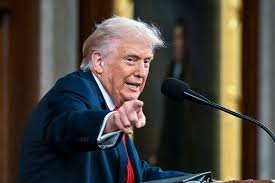
The dispute escalated quickly into political theatre. President Trump publicly criticised the company and said its stance was reckless. He argued that unelected tech leaders should not dictate national security decisions.
Defence Secretary Pete Hegseth went further. He threatened to designate Anthropic as a “supply chain risk,” a label normally reserved for hostile foreign actors. Such a designation would prevent contractors from doing business with the company and force federal agencies to phase out its technology.
Officials set a hard deadline for compliance. Anthropic refused.
The administration began planning a full replacement. Contractors received guidance to seek alternative AI suppliers. The message is clear: cooperate or lose government business.
Anthropic pushed back with legal arguments. The company said the designation would exceed statutory authority and could face court challenges. It warned that punishing firms for negotiating contract terms could chill innovation across the U.S. tech sector.
Meanwhile, political allies and critics piled on. Some accuse the government of trying to build surveillance infrastructure. Others accuse Anthropic of jeopardising national defence.
Nearly 600 employees across leading tech firms signed letters supporting the company’s stance. Even fierce competitors agree on restricting the development of autonomous weapons.
OpenAI Steps Into…
With Anthropic sidelined, the Pentagon acted quickly. OpenAI secured a deal to provide AI capabilities for defence operations. The arrangement covers planning tools, data analysis, logistics support, and cyber defence functions. It excludes the controversial applications Anthropic refused, at least publicly.

OpenAI previously maintained similar restrictions on surveillance and autonomous weapons. Yet the company shows willingness to collaborate more closely with government agencies under controlled conditions.
The flexibility makes OpenAI a safer partner from the Pentagon’s perspective. Defence planners value reliability, responsiveness, and access over ideological purity. Warfighters need tools that work when needed.
Other tech giants already participate in defence AI programs. Google, Amazon, and xAI maintain contracts involving cloud infrastructure, analytics, or model development. The ecosystem resembles a supply chain rather than a single provider.
Still, replacing a major partner overnight carries risk. Integrating new AI systems into classified networks requires testing, security vetting, and training. That process takes time, even during emergencies.
Ethical Fault Lines in Military AI
The controversy exposes a deeper question: who decides how artificial intelligence gets used in warfare?
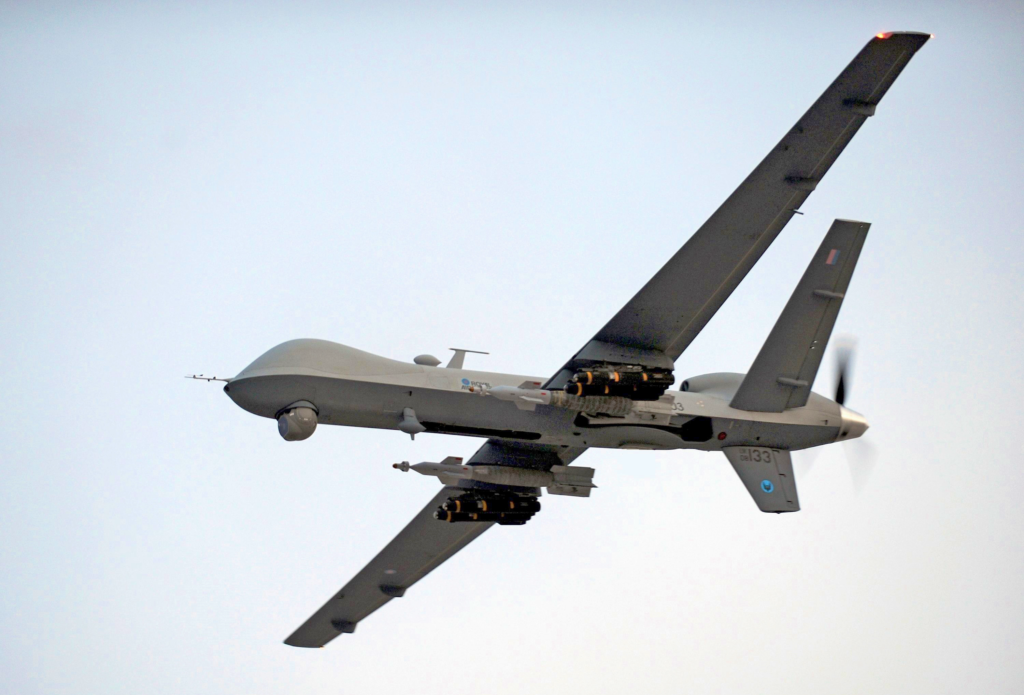
Autonomous weapons remain controversial worldwide. Critics warn that removing human risk could lower the threshold for conflict. Supporters argue they can reduce casualties through precision targeting and faster decision cycles.
Mass surveillance presents a different dilemma. Governments argue it helps detect threats before attacks occur. Civil liberties advocates warn it can morph into authoritarian control if unchecked.
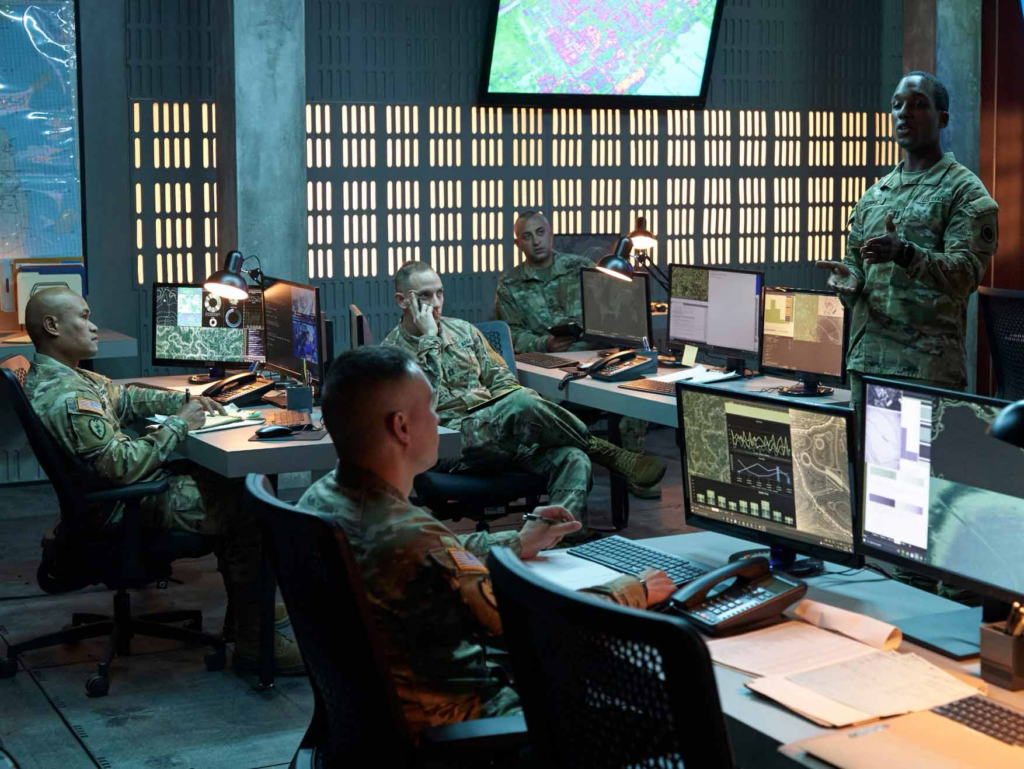
Anthropic’s stance reflects a precautionary philosophy. The company believes current AI systems lack the reliability and oversight necessary for such roles.
Defence officials stress practical realities. Rival nations pursue military AI aggressively. Falling behind could create strategic vulnerabilities.
Both arguments contain truth. Neither resolves the tension.
Financial & Industry Shockwaves
The fallout extends beyond policy debates. Federal contracts represent enormous revenue streams and reputational advantages. Losing these deals could affect valuations, partnerships, and investor confidence.
Analysts warn that denylisting a domestic AI leader could discourage startups from working with the government. Entrepreneurs may fear sudden policy reversals or political backlash.
At the same time, competitors stand ready to absorb displaced demand. OpenAI’s rapid agreement demonstrates how quickly market share can shift in high-stakes sectors.
Large investors also watch closely. Companies like Nvidia supply the hardware powering most advanced AI systems. Changes in partnerships ripple across the semiconductor industry.
Public Perception and the Global Stakes
International observers are treating the episode as a preview of future conflicts. AI supremacy increasingly determines economic power, military capability, and diplomatic leverage.
Allied governments depend on U.S. technology firms for critical systems. If internal disputes disrupt supply chains, other nations may increase domestic alternatives.
Adversaries monitor the situation as well. Strategic instability in Western AI development could create opportunities to gain ground.
Public opinion remains divided. Some view Anthropic as principled. Others see the company as naive about security threats. Meanwhile, OpenAI faces scrutiny over balancing profit motives with ethical commitments.
The drama also fuels fears of corporate influence over warfare. When private firms control essential software infrastructure, national security is intertwined with boardroom decisions.
TF Summary: What’s Next
The Pentagon’s pivot to OpenAI marks a turning point in the race to militarise artificial intelligence. Governments will continue pressuring tech companies to support security initiatives. Companies will continue weighing ethics against revenue and national expectations. Expect more confrontations as AI capabilities expand and definitions of “acceptable use” evolve.
MY FORECAST: Military AI partnerships are consolidating around firms willing to operate within government frameworks without absolute restrictions. Ethical guardrails remain a competitive differentiator, not a universal standard. Nations treat advanced AI as strategic infrastructure, not optional software. The next battles will play out in contracts, courts, and code repositories rather than traditional battlefields.
— Text-to-Speech (TTS) provided by gspeech | TechFyle