


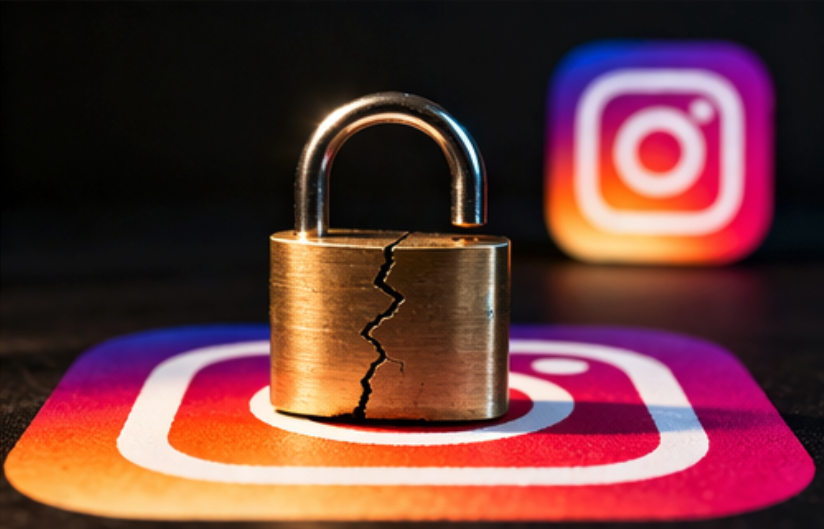
Meta is pulling the privacy plug on Instagram DMs, and the excuse sounds a lot tidier than the consequences.
Meta is ending end-to-end encryption for private Instagram messages on 8 May 2026. That means encrypted DMs on Instagram are going away, even as encrypted messaging stays alive on WhatsApp and other rivals. Meta says very few people used the feature. Critics hear something else: a giant platform decided privacy was not pulling its weight.
This matters because encrypted messaging is not some nerdy side setting anymore. It is one of the clearest lines between private chat and platform visibility. Once Instagram drops it, Meta can access message content it could not read before in chats where users had turned on encryption. That raises old questions about safety, business pressure, and whether social media companies still treat private communication as a product feature or as a disposable inconvenience.
What’s Happening & Why This Matters
8 May: Bye, Encrypted DMs
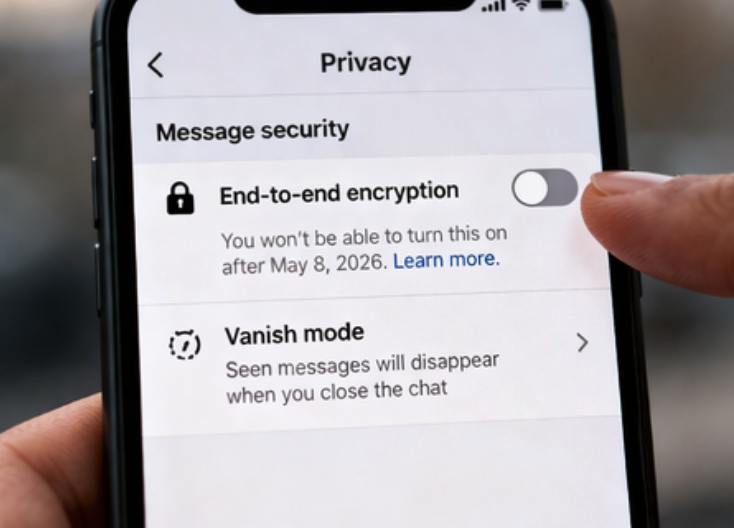
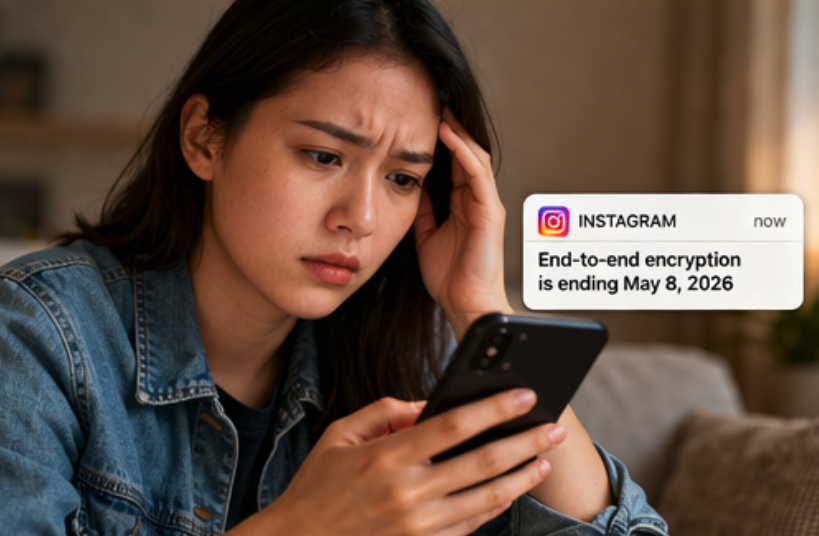
Instagram will stop supporting end-to-end encrypted direct messages from 8 May 2026. Meta updated Instagram help materials and an older company post to confirm the change. Users who had turned on encrypted messaging will lose that option. Euronews reported that Meta’s Help Centre update states plainly that end-to-end encryption will no longer be supported after that date.
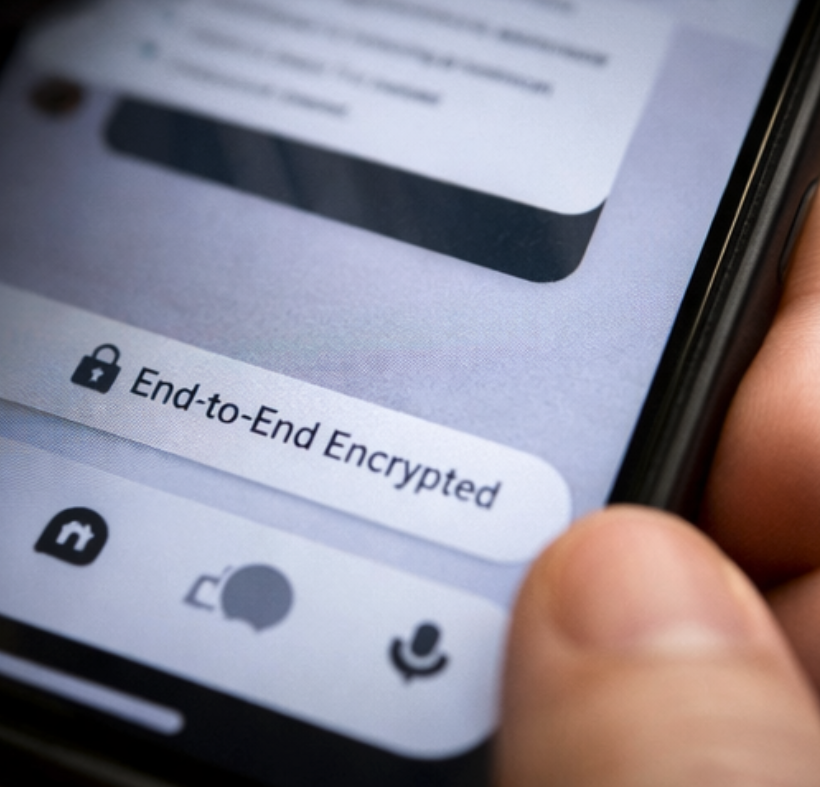
The practical effect is straightforward. In an encrypted chat, only the sender and recipient can read the content. Meta says it cannot even read those messages. Once the feature disappears, that barrier disappears too for affected Instagram DMs. This means Meta will be able to see message contents in cases where it previously could not because encryption had been enabled.
There is an important caveat here. Instagram DMs were not encrypted by default for everyone. The change is to the optional encrypted layer, not to a universal default privacy setting across all DMs. The nuance matters because some users will feel little effect day to day, while others will feel like the floor just shifted under them.
Low Uptake Is Not the Whole Story
Meta’s public reason is simple. The company says not many people opted in to encrypted Instagram messages. A spokesperson told the media that very few people were using end-to-end encrypted DMs, so Meta was removing the option and pointing users toward WhatsApp for encrypted chat instead.
That explanation is neat. It is incomplete.
If a company keeps a privacy feature buried, optional, and awkward, low usage is not a clean verdict against the feature itself. It may be a verdict against the product design. Instagram has always been a discovery-heavy platform. People find one another through public content, recommendations, mutual follows, and semi-open social behaviour. That is a very different environment from WhatsApp, where people usually already know each other before messaging. Tom Sulston of Digital Rights Watch says that Meta may be separating social media from chat more sharply, with WhatsApp staying encrypted while Instagram leans harder into its social platform identity.
There is the money question. Sulston added that message content could help with advertising and chatbot training, even if Meta is not openly communicating the decision that way. That suspicion hangs over the change for obvious reasons. When a big platform removes privacy, people do not assume convenience. They assume monetisation.
Child Safety Groups’ Encryption Warnings
Meta’s encryption plans faced years of opposition from law enforcement and child safety groups. The Guardian reports that agencies and safety bodies argued encryption would make it harder to detect child sexual exploitation, terrorism, and violent extremism. The Internet Watch Foundation, the UK National Child Protection Task Force, and the Virtual Global Taskforce were among the critics.
This is the part of the argument where both sides bring real concerns. Privacy advocates defend encrypted communication because it protects users from surveillance, interception, and misuse. Safety advocates warn that encrypted systems can hide abuse. The conflict is not fake. It is ugly because both arguments carry weight.
One quote from the safety side captures the tone well. The Virtual Global Taskforce called Meta’s earlier encryption approach a “purposeful design choice” that weakens safety systems and child protection efforts.
Australia’s eSafety Commissioner tried to split the difference. The Guardian reports that the office said strong encryption plays an important role in privacy and security, but that platforms still have a duty to prevent harm when they deploy it. That is the adult version of the argument. Encryption is not evil. It does not erase platform responsibility.
Meta’s Mixed Messaging on Privacy
The change is especially awkward because it cuts against Meta’s own past promises. Mark Zuckerberg said in 2019 that the company wanted to spur its messaging platforms toward private, encrypted communication. The rollout only really began in 2023, and Instagram is backing away from that promise. The plan once covered Instagram, Messenger, and WhatsApp as part of an initiative toward private communication.
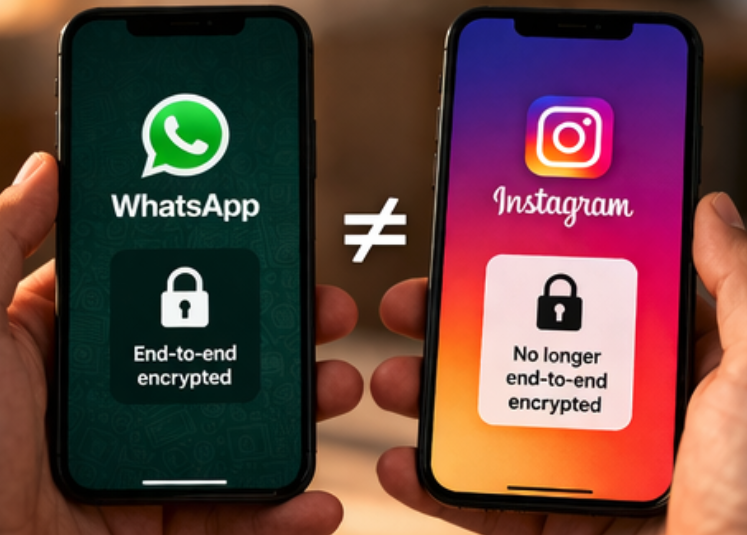
That leaves Meta with an odd privacy map. WhatsApp stays encrypted. Facebook Messenger keeps encryption. Instagram gives up on it. That is not a clean philosophy. It is a patchwork. And patchworks invite suspicion.
The company may argue that different products serve different use cases. Fair enough. But users also notice when privacy survives where it is culturally expected and disappears where it is less popular or less profitable. Instagram is a social platform first. That makes it tempting to treat private messaging as secondary. The danger is that millions of people still use it as a private messaging tool anyway.
That is why this story is harder than a setting change. It tells users that Instagram privacy is conditional. If adoption is low, criticism is loud, or business logic changes, the feature can go overboard.
A Bigger Fight For What “Private” Means
The impact goes beyond Instagram. The decision sharpens another question: should social media platforms act as trusted private communication spaces, or should users treat them as semi-public systems with extra lipstick?
Instagram has always blurred those lines. It hosts public discovery, creator commerce, recommendations, social theatre, and private messaging inside one app. Encryption helped carve out at least one corner of that experience as genuinely private. Once that corner disappears, the whole product leans more openly toward platform visibility.
That may drive privacy-conscious users toward WhatsApp, Signal, or iMessage. It may reinforce a simple lesson that many people still ignore: not every DM is truly private, even when it is private. Instagram is making that lesson harder to miss.
And there is a cultural point here too. More tech companies, not fewer, were supposed to move toward stronger private messaging over time. Instead, one of the world’s biggest platforms is moving backwards. Critics will see that as product decay, not progress. They have a decent case.
TF Summary: What’s Next
Meta is ending end-to-end encryption for Instagram DMs on 8 May 2026, citing low usage of the feature and directing users who want encrypted chat toward WhatsApp instead. The decision follows years of pressure from law enforcement and child safety groups, but it introduces fresh questions about privacy, data visibility, and Meta’s willingness to retreat from earlier encryption promises.
MY FORECAST: The change will hurt trust more than it hurts usage in the short term. Most Instagram users probably never enabled encryption. The damage is symbolic. Meta is telling users that private messaging on Instagram is not a core principle. It is a reversible option. That will cause privacy-minded people to turn toward dedicated messaging apps, while regulators and digital rights groups use the move as more evidence that platform privacy depends less on values and more on product math.
— Text-to-Speech (TTS) provided by gspeech | TechFyle