


Big Tech Builds Shared Standards for AI Agents
Artificial intelligence runs inside everything now. Phones, apps, websites, enterprise platforms, even your robot vacuum. Yet all these AI agents work differently, follow different rules, and talk to other systems in inconsistent ways. The result is chaos. The Linux Foundation wants to fix that.
A new industry group within the foundation, the Agentic AI Infrastructure Foundation (AAIF), is beginning to standardise how AI agents operate. Tech giants contribute their tools. Developers contribute code. The goal is simple: create shared, open standards so AI agents behave predictably across platforms.
This moment feels familiar. Kubernetes had a similar arc. It started as a niche project and grew into the universal language of cloud systems. The Linux Foundation now hopes to repeat that magic for AI.
What’s Happening & Why This Matters
The Linux Foundation launches AAIF, a collaborative effort that brings agent frameworks under one roof. Companies such as Amazon, Microsoft, Google, Cloudflare, OpenAI, and Block support the work. The initiative collects early-stage AI tools with the potential to set standards.
Two tools anchor the initiative.
MCP (Model Context Protocol), created and widely adopted across AI platforms, standardises how tools connect with large language models. Goose, contributed by Block, builds agentic coding workflows on top of those standards. It runs locally (or in the cloud), supports any large language model, and integrates MCP by default.
OpenAI contributes AGENTS.md, a lightweight framework that defines expected agent behaviour through markdown-based instructions. Agents.md lets developers establish predictable, transparent agent actions. It functions like a “readme for AI.”
AI Needs Order
The past two years accelerated faster than anyone expected. Every company integrates AI into its product stack. Every developer experiments with new agent frameworks. That pace creates fragmentation. Authentication flows behave differently. Security expectations vary. Interoperability remains inconsistent.
The Linux Foundation wants to provide neutral governance. Its previous projects depict why that matters. The foundation created the Cloud Native Computing Foundation (CNCF) in 2015. CNCF adopted Kubernetes after Google open-sourced it. Kubernetes then unified the cloud infrastructure. The foundation now hopes AAIF can play a similar role for AI.
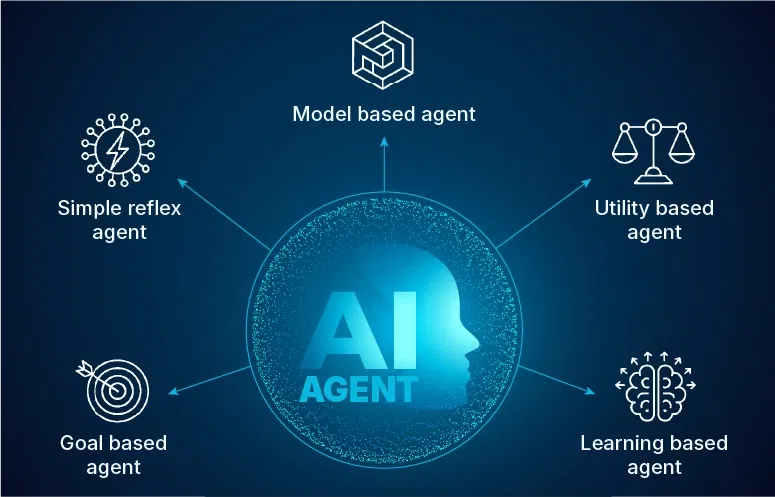
The difference is timing. Kubernetes was already mature when CNCF adopted it. Today’s AI agent frameworks are early, experimental, and uncertain. Yet momentum is tremendous. Everyone wants order before AI augments more services, more products, more of lives.
Developers Want Predictability
Developers build agents that write code, summarise documents, manage workflows, schedule jobs, and automate tasks. These agents rely on consistent interfaces to function safely. Without shared standards, agents behave unpredictably.
The Linux Foundation positions AAIF as a home for the tools. It supports neutral governance, certification, training, and documentation. AAIF promises stability and filters experimental tools into long-term standards.
As one Linux Foundation representative puts it, AAIF exists “to support open, interoperable frameworks that help developers build agentic systems with confidence.”
TF Summary: What’s Next
The Linux Foundation is taking an aggressive stance. AAIF attracts prominent tech partners. MCP gains traction across AI tools and services. Goose and AGENTS.md introduce a structure that could become universal. If the industry aligns behind the standards, AI agents earn the same reliability that Kubernetes brought to cloud computing.
MY FORECAST: AAIF will turn into the default home for agent frameworks. MCP becomes the standard connection layer for models and tools. Goose evolves into a mainstream agent platform. AGENTS.md leads the rulebook reference by default. Within two years, enterprise AI adoption improves as the tools finally speak the same language.
— Text-to-Speech (TTS) provided by gspeech