


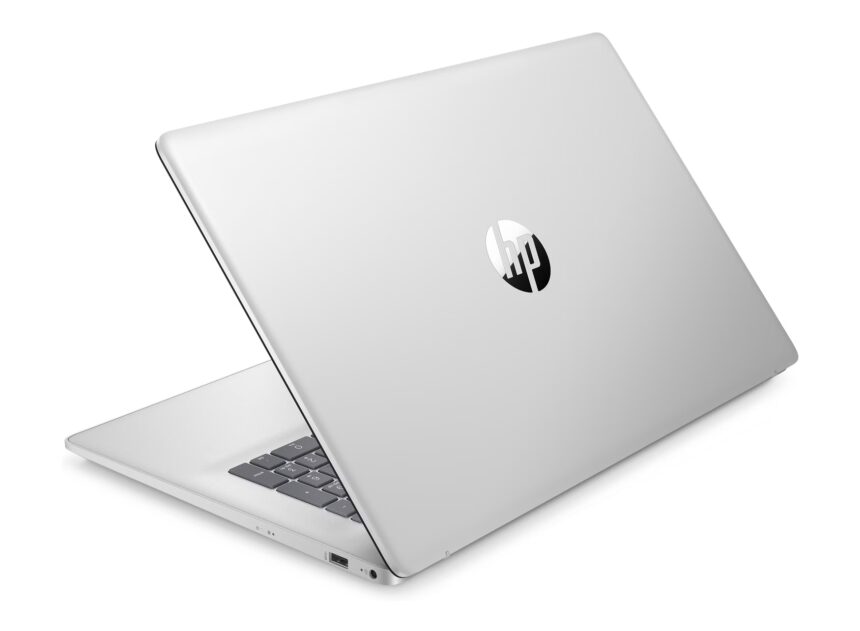
HP Projects 6,000 Jobs Replaced by 2028
HP entered a restructuring plan after announcing fresh job cuts that stretched through product development, internal operations, and customer support. The Bay Area computer maker tied the reductions directly to its expanding use of artificial intelligence. HP positioned the shift as both a financial strategy and a technology pivot after years of uneven device demand and rising infrastructure costs. The announcement surfaced during HP’s fiscal 2025 earnings cycle, where leaders outlined cost-saving targets and operational changes. HP projected savings that approached $1 billion by fiscal 2028 through a mix of workforce reductions, platform simplification, and productivity gains.
The message from leadership took a decisive tone. HP phrased AI as a force that improves its staffing model while furthering its product ambitions. The update followed earlier layoffs in February, when the company cut another 1,000 to 2,000 roles in connection with reorganization plans.
What’s Happening & Why This Matters
AI Reforms the Workforce

HP’s CEO Enrique Lores stated that AI sits at the center of how the company drives product innovation, customer experience, and productivity. HP describes the current plan as a structural reset. HP’s documentation outlined reductions driven by operational efficiency, digital transformation, and portfolio optimization. The elements indicate HP’s intent to redesign its internal systems to focus on automation and algorithmic support.
Lores stated that the reorientation produces savings, sharper engineering cycles, and a simpler organization. Customer support and product development roles see the steepest impact because automation is fastest within these functions. HP’s initiative mimicks steps taken throughout tech businesses. Companies across the sector point to generative AI as the reason for rapid organizational change, efficiency pushes, and new hiring profiles.
AI Adoption Powers New Cost Structures
HP’s earnings commentary reinforced how HP manages rising hardware costs tied to global memory supply. Demand from data center operators and AI infrastructure builders drove up memory pricing. These trends affect HP’s profit forecasts. HP expects increased component costs in fiscal 2026. HP stated that it explores alternative suppliers and configuration adjustments to reduce financial pressure. The company also evaluates price changes in response to memory volatility.
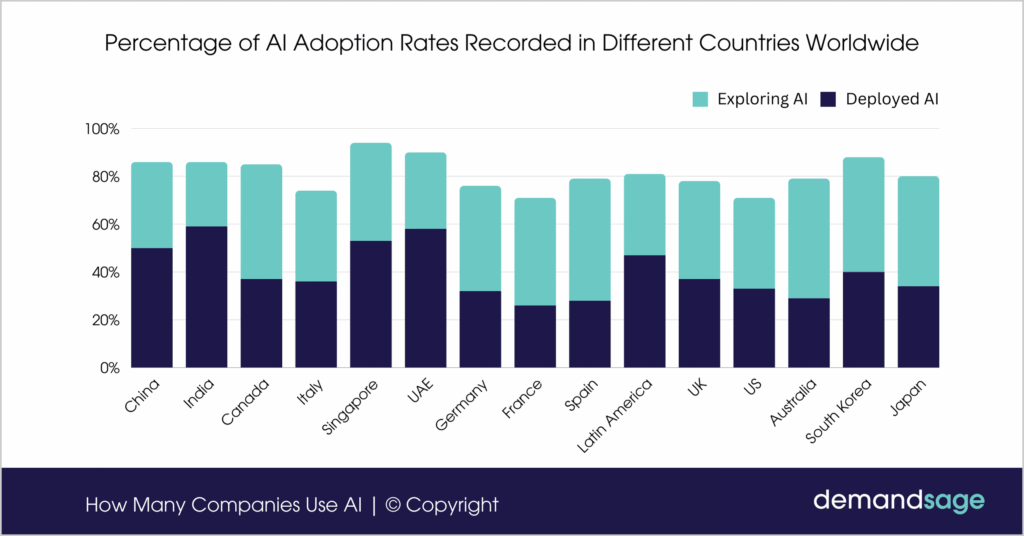
Within PCs, HP observed strong momentum for AI-enabled devices. These units climbed to more than 30% of total shipments during the latest quarter. The figure signals a broader industry realignment as vendors reposition their product stacks around on-device models, neural processing units, and workflow automation.
Other Firms Embrace Workforce Rebalancing
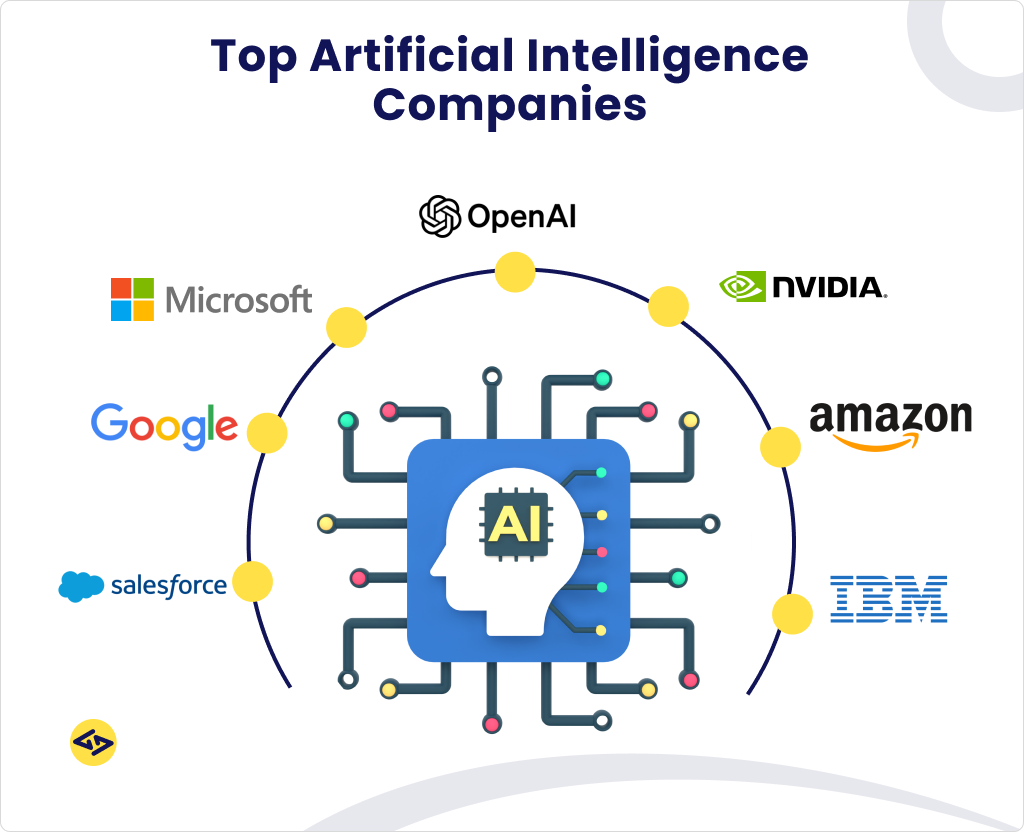
HP’s transition does not stand alone. Salesforce cut 4,000 support roles after Marc Benioff stated that AI reduces headcount needs. Amazon informed regulators that generative systems contributed to “tens of thousands” of layoffs, while Meta moved through multiple rounds of reductions to support its AI agenda. Intuit, Klarna, and Duolingo replaced large groups of employees with automation-centric roles. The events represent how AI adoption intersects with labor policy, training, and future workforce models.
TF Summary: What’s Next
HP’s internal direction signals a company that reorganizes around AI systems, algorithmic decision-making, and streamlined hardware operations. The organization commits to leaner teams and faster engineering cycles as it navigates memory pricing swings and PC market shifts.
MY FORECAST: HP enters a period of deep automation where AI-native workflows expand across every function. Product teams integrate quicker prototyping. Customer support turns into machine-guided decision paths. Supply chains rely on predictive systems. HP’s labor profile shrinks as software takes on operational roles, and annual cost savings return through efficiency rather than headcount volume. The company moves into a tighter competitive field where AI maturity determines product viability and long-term resilience.
— Text-to-Speech (TTS) provided by gspeech