



Extremist Groups Embrace AI Propaganda
Extremist groups once relied on grainy videos and crude forums to spread their message. That era is over. In 2025, these groups actively use artificial intelligence, deepfakes, and synthetic media to recruit members, spread misinformation, and manipulate public opinion at scale. What once required funding, expertise, and infrastructure now takes little more than an internet connection and access to cheap AI tools.
Security agencies, researchers, and lawmakers now watch a fast-moving problem unfold. AI lowers the barrier to influence. It amplifies fear. It accelerates radicalisation. And it does so quietly, inside platforms designed for reach, not restraint.
What’s Happening & Why This Matters
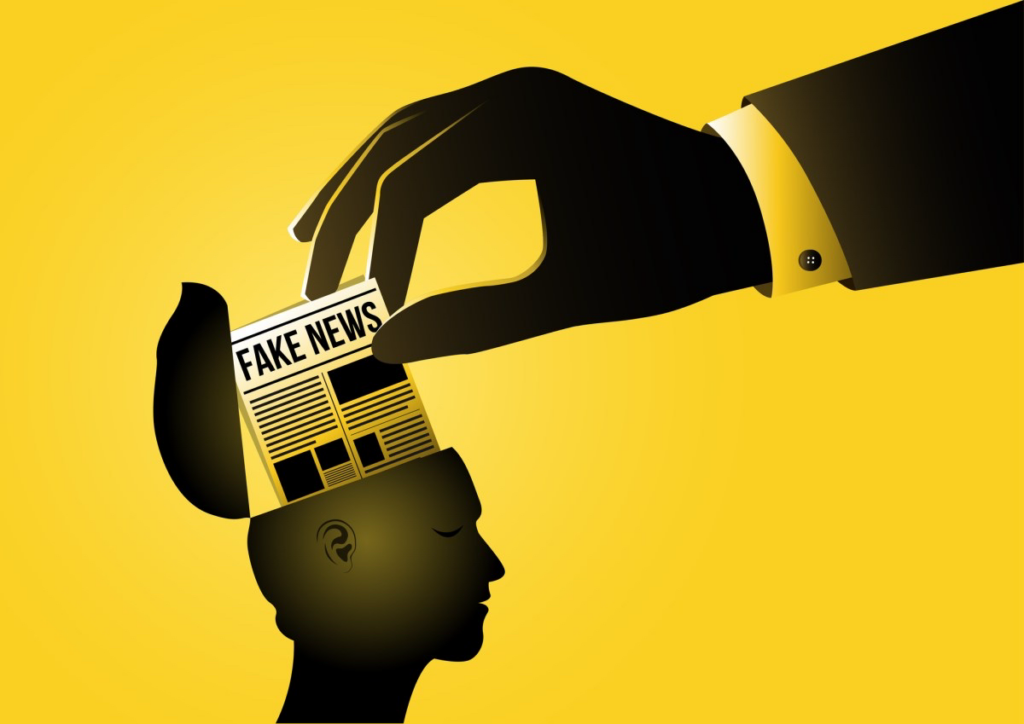
Militant and extremist organisations actively experiment with generative AI to produce realistic images, videos, and audio. These tools allow small, poorly funded groups to appear larger, more organised, and more credible than they are. According to national security experts, extremist forums now openly encourage supporters to integrate AI into daily operations, calling it “easy to use” and “powerful” for recruitment and disruption.
A former U.S. intelligence researcher explains the evolution: AI gives even a small group the ability to cause outsized harm. That reality alarms international counterterrorism agencies. Deepfake images and videos spread faster than fact-checkers can respond. Algorithms reward outrage. The result is grand scale without accountability.
Deepfakes Fuel Recruitment and Polarisation
Extremist networks use AI-generated images and videos to inflame emotions and distort reality. During recent conflicts in the Middle East and Europe, fabricated images depicting graphic violence circulated widely on social platforms. The faked photos triggered outrage, drove polarisation, and helped extremist groups recruit new supporters — exploiting shock and grief.
Researchers document cases where AI-generated propaganda appeared within hours of real-world attacks. After a mass-casualty event in Russia, synthetic videos flooded forums and social media, framing the violence as heroic and urging viewers to join affiliated groups. AI translation tools allowed the same message to appear in multiple languages almost instantly.
Political Misinformation Goes Mass Market
The problem extends beyond militant groups. In the United Kingdom, researchers identified hundreds of AI-driven YouTube channels publishing fake political news. These channels generated more than 1.2 billion views in 2025 alone. They used synthetic scripts, AI narration, and fabricated headlines to attack political leaders and inflame social tensions.
Experts stress that most of these channels operated for profit rather than ideology. Still, the impact is severe. Synthetic political content undermines trust in institutions, elections, and journalism. A UK-based digital rights group forewarns that hostile state actors exploit the same systems at any time.
Governments Scramble to Respond

Lawmakers implore for stronger coordination between AI developers, platforms, and security agencies. In the United States, proposed legislation calls for annual assessments of AI misuse by extremist groups. Intelligence committees urge innovators to share data about how their tools enable malicious activity.
Security officials stress that the threat will grow. As AI tools improve, extremists gain access to voice cloning, automated translation, phishing, and even synthetic training materials. Some agencies warn of future risks involving chemical or biological disinformation campaigns powered by AI-assisted research tools.
TF Summary: What’s Next
AI already reshapes how extremist groups recruit, radicalise, and manipulate. That trend does not slow. Platforms encounter increasing pressure to detect and remove synthetic propaganda more quickly. Governments request shared intelligence and tighter oversight. Meanwhile, extremists persist, testing new tools, formats, and audiences.
MY FORECAST: Expect tighter regulation around AI content generation, stronger platform moderation mandates, and growing tension between free expression and security. Extremists will not stop experimenting. Democracies must adapt faster than the technology spreads.
— Text-to-Speech (TTS) provided by gspeech