



Regulators Target X’s Ad Labeling and Influence Tools
European regulators spent years watching X drift away from promised transparency rules. The warnings piled up across 2023, 2024, and 2025. The European Commission moved from concerns to formal inquiries after user reports, investigator notes, and compliance audits surfaced patterns the Commission said “departed from the Digital Services Act.” This case reached a tipping point after repeated disputes over labeling paid posts, political ads, and bot-amplified content. That pattern set the stage for today’s outcome: a €140 million fine for what regulators call “misleading commercial practices and deceptive systems.”
X pushed back at every stage through public statements, legal notes, and posts from Elon Musk himself. He described the inquiry as “politically motivated” and claimed the rules mistreated his platform. Those arguments appear nowhere in the Commission’s final ruling. Instead, officials said X maintained design choices that buried ad disclosures, obscured paid distribution, and confused users about why content surfaced in their feeds.
TF studies the ruling, the reaction, and the implications for platforms that operate in the European Union.
What’s Happening & Why This Matters
The Commission states that X maintained dark-pattern interfaces that made ads appear native rather than sponsored. Inspectors found feed layouts that faded or removed micro-labels depending on user settings. The ruling claims X designed “ambiguous markers” that made it hard for teenagers, older adults, and casual users to distinguish ads from organic posts. Regulators also pointed to X’s Boost system, which placed paid content inside political conversations without transparent tags. The audit called this a “high-risk accelerator.”

X denied this. The company said its tools match industry norms and that the Commission targeted X while granting larger platforms “wider leniency.” Musk wrote on X that “transparency exists at the highest standard ever on this platform.” The final report contradicts that. Regulators said internal documentation showed X tested versions of its ad labels that produced “higher engagement under lower clarity.”
The Case for Consumer Protection
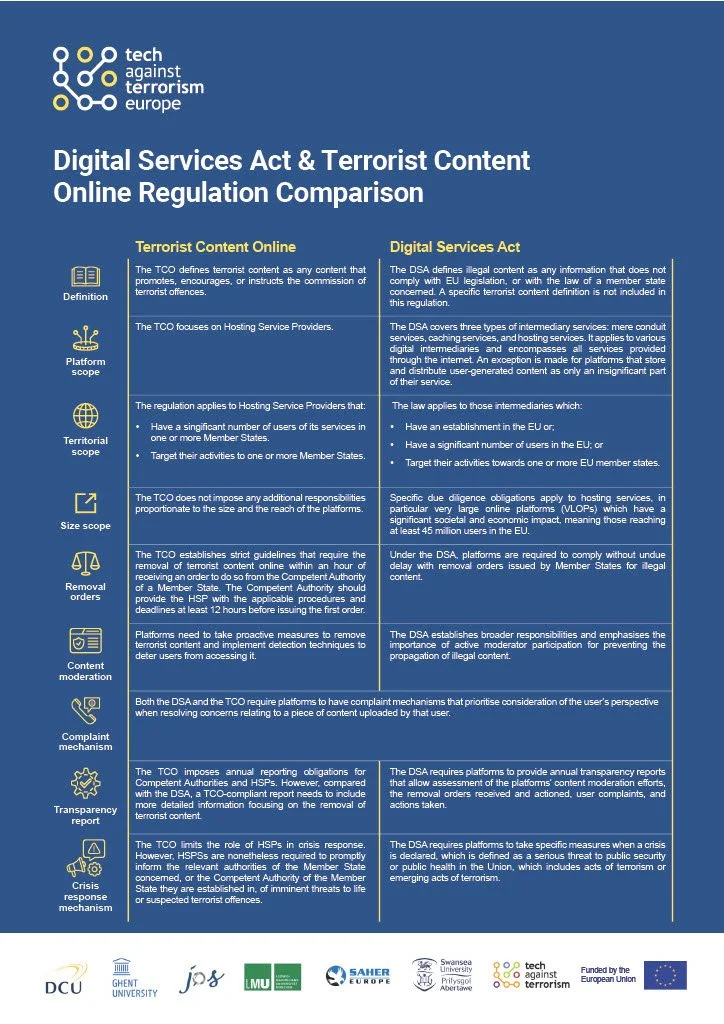
In Brussels, the case is a litmus test for the Digital Services Act, which defines modern rules on algorithmic transparency, ad labelling, and content moderation. Officials stressed the ruling is not about ideology or content preference but about protecting consumers from covert persuasion systems. A senior Commission official said, “design choices shape behavior, and platforms must show respect for clarity when profit depends on influence.”
Consumer groups in France, Ireland, Germany, and Spain had filed complaints throughout 2024 and 2025. They argued that X placed users inside algorithmic flows without transparent disclosure. The Commission used its data to justify the investigation. Those details strengthened the final ruling.
The Ripple Effects
Other platforms now study the ruling with alarm. Engineers and lawyers across Meta, TikTok, Snapchat, and Google privately note the Commission tends to escalate when it secures an early high-profile win. If X loses its appeal, those firms expect more scrutiny on feed layouts, promotion mechanics, and ad labeling.
Policy researchers say this case deepens a trend: Europe pushes design reforms with fines, while U.S. regulators push reforms through voluntary guidance. That gap widens year after year. Musk’s confrontational stance also heightens the drama. His platform rejects most of the compliance templates preferred by European regulators. This increases friction and invites faster enforcement cycles.
TF Summary: What’s Next
X plans to appeal the ruling, though Brussels maintains confidence that the fine stands. Engineers at X now face new disclosure mandates. European regulators request clearer ad frames, bolder labels, and user-visible explanations for why posts appear in feeds. X heads bigger technical changes at a time when the platform already operates leaner infrastructure.
MY FORECAST: X fights the ruling for months, but the pressure forces internal design changes that create a new baseline for ad transparency across the industry. Competitors adopt safer labeling systems before Brussels contacts them. Europe’s decision drives a global wave of interface rewrites in 2026.
— Text-to-Speech (TTS) provided by gspeech