


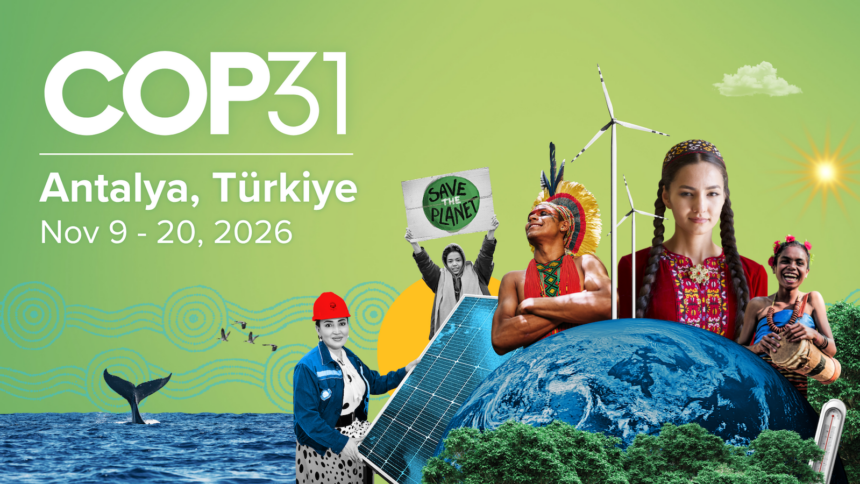
Fossil Fuels and Finance Split Almost 200 Countries in Antalya, With the Antalya Pact Rejected.
The COP31 climate meeting ended with no climate agreement after countries split over fossil fuels and finance.
Talks in Antalya, Turkey, closed on Sunday 22 November 2026 after two weeks and two days of overtime.
TF follows climate talks because energy policy sets the rules for technology, data centres and industry. The summit was the first UN climate conference without an overarching agreement since Copenhagen in 2009. Hosts Turkey and Australia shared the work, with Australia’s Chris Bowen leading negotiations.
What’s Happening & Why It Matters
What Collapsed in Antalya
The presidency tabled a cover text called the Antalya Pact. The European Union and a coalition of vulnerable nations rejected the final draft. The presidency then acknowledged that the summit would end without an official agreement.
The meeting ran almost 44 hours past its deadline, which makes it the longest UN climate summit on record. UN Secretary-General António Guterres said he was disappointed. He added that the outcome does not change the science.
The Fossil Fuel Fight
The final draft mentioned no oil, gas or coal and offered no call to phase out fossil fuels. Burning them drives about 73% of global emissions. The EU called a deal without fossil fuels unconscionable.
The text set a goal of at least 500 million tonnes of CO2 captured each year by 2035. Reuters reports that Saudi Arabia and other oil producers had sought that language. Climate Action Network called the outcome a shameful failure and said fossil lobbyists gained large-scale carbon capture.
Finance Gaps Stay Open
Negotiators dropped a $120 billion (about €107 billion) adaptation finance target for 2035. The draft kept a call to triple adaptation finance with no baseline. Adaptation needs in developing countries run at about $305 billion a year, or about €271 billion.
The draft put developing countries’ total finance needs at $5.1 trillion to $6.8 trillion through 2030. EU Commissioner Wopke Hoekstra pointed to $32 billion in public climate finance from the bloc in 2025. Developing countries say that sum falls short of need.
What Survived the Talks
Some technical work advanced. COP31 reached a breakthrough on channelling carbon-market revenues into the UN adaptation fund. The draft launched a roadmap on adaptation and resilience finance, to be led by the COP31 and COP32 presidencies.
Without the cover decision, those items depend on later talks. Several issues move to the Bonn meetings and to COP32.
My take: A summit that ends with no pact shows how far the fossil fuel fight has spread. The text left out the main cause of warming and offered carbon capture in its place. Poorer countries lose most, since adaptation money is the pledge they plan around. A smaller group of willing countries may have to move faster outside the UN system.
TF Summary: What’s Next
The next formal talks are the Bonn conference in June 2027, ahead of COP32 in Addis Ababa, Ethiopia. Watch for coalitions on fossil fuel language, for the adaptation roadmap and for any move outside the UN process.
MY FORECAST: A group of countries will announce a voluntary fossil fuel phase-out plan before COP32. Adaptation finance will stay the central fight in Addis Ababa.
Related Stories
- Tech Behaving Badly #15: Rogue Agents, Memory Cartel Claims, Skimmed Sites and a Hacked FBI Database
- Starshield Slowdown in Ukraine Draws Congressional Threat to SpaceX Funding
- Outages and AI Regulation Are the Flavour-of-the-Week
- Altman, Nadella and Luckey Set Out AI’s Risks at DealBook Summit
- France Blames Iran’s Revolutionary Guards for European Fridge Hacks