


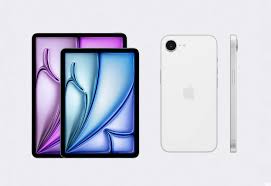
Apple CEO kicked off a week of new and updated product announcements.
Apple dropped fresh hardware with a familiar theme: keep the look, juice the guts, hold the price, and dare competitors to blink first. The Cupertino-based outfit updated its mid-range tablet with desktop-class silicon and rolled out a budget-leaning iPhone that is far less budget than the label suggests. For consumers, the pitch reads easily. More speed and memory. Same ecosystem gravity.
Behind the polished launch copy is a blunter reality. Apple is under fierce pressure from AI-driven computing trends, a tightening semiconductor supply chain, and rivals throwing hardware specs like confetti. The refreshed M4 iPad Air and the new iPhone 17e are Apple’s answers: power efficiency over gimmicks, practical upgrades over flashy redesigns, and ecosystem lock-in as the secret sauce.
What’s Happening & Why This Matters
Apple Supercharges the iPad Air With M4 Power
The updated iPad Air embarks into territory once reserved for pro devices. Apple installs its M4 chip, boosting performance across productivity, gaming, and AI workloads. The company also bumps the memory from 8GB to 12GB. That jump matters more than it sounds. AI features eat RAM for breakfast.
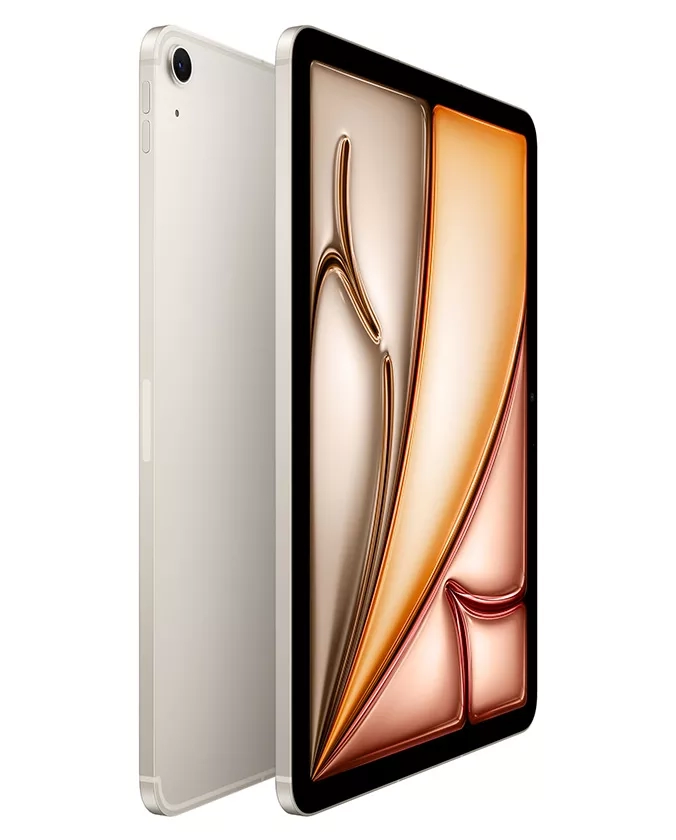
Apple states the memory bandwidth rises to 120GB/s. Translation: the tablet feeds data to the processor faster, which helps with large models, video editing, and multitasking. The upgrade delivers roughly 30% more performance compared with the previous M3 version, according to Apple.
The tablet keeps two familiar sizes. Buyers choose between 11-inch and 13-inch displays. Storage options stretch from 128GB to 1TB, covering casual users through power creators. Apple adds a new N1 chip for connectivity, enabling Wi-Fi 7, Bluetooth 6, and the Thread smart-home protocol. That combination quietly future-proofs the device for emerging home ecosystems and faster wireless speeds.
Cellular performance also gets a boost through Apple’s in-house C1X modem. The company claims up to 50% better data performance. Whether that translates into real-world speed gains depends on carrier infrastructure, but the direction is clear: Apple wants independence from third-party modem suppliers.
Despite beefier specs, pricing stays unchanged. The 11-inch Wi-Fi model starts at $599, while the 13-inch version begins at $749. Apple positions the device as an upgrade path for base iPad and early Apple Silicon users.
Keeping the price steady during a global memory squeeze sends a message. Apple believes scale and supply leverage still trump inflation.

iPhone 17e Targets Value Seekers Without Feeling Cheap
The new iPhone 17e fills a familiar niche: a capable phone for buyers who refuse flagship pricing but still crave Apple polish. The device runs on the A19 chip, bringing modern performance to the lower tier of the lineup.
Storage starts at 256GB, a notable upgrade over earlier entry models. Apple finally restores MagSafe support, which had been missing from the previous “e” version. That single change reopens the ecosystem of magnetic chargers, battery packs, wallets, and mounts.
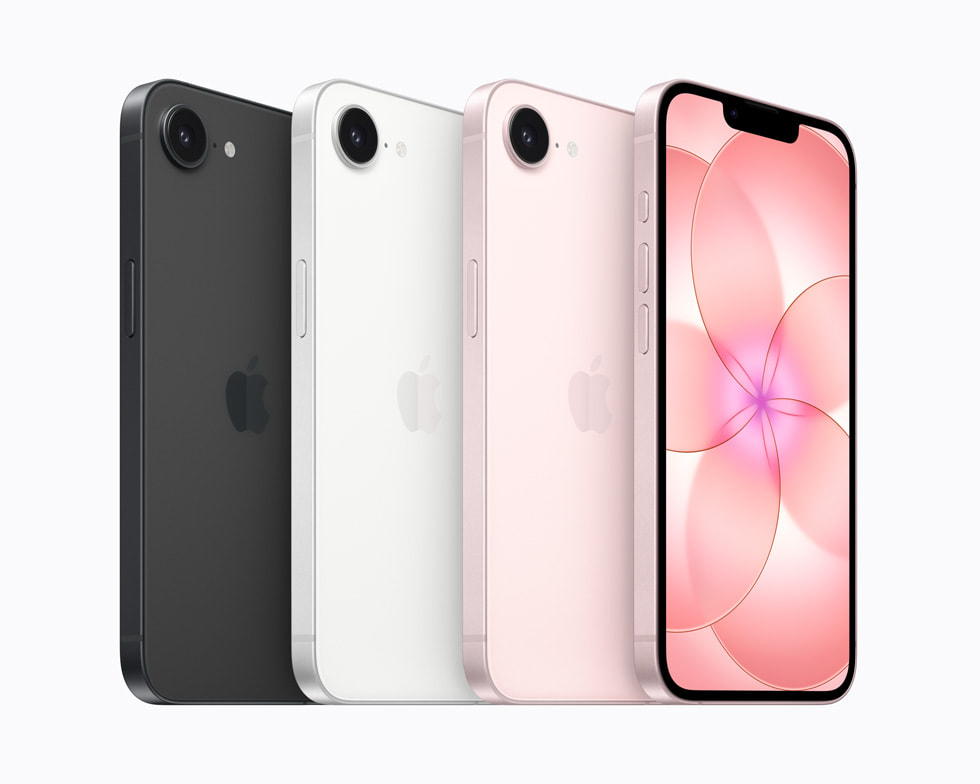
The phone includes a 6.1-inch OLED display with a 60 Hz refresh rate. No ProMotion, always-on display, or Dynamic Island. Instead, a traditional notch returns. It feels retro by Apple standards, but it keeps costs down.
Camera hardware is simple, with a single 48-megapixel rear lens. Apple leans on computational photography to simulate zoom capability by cropping the sensor. That approach trades optical complexity for software intelligence.
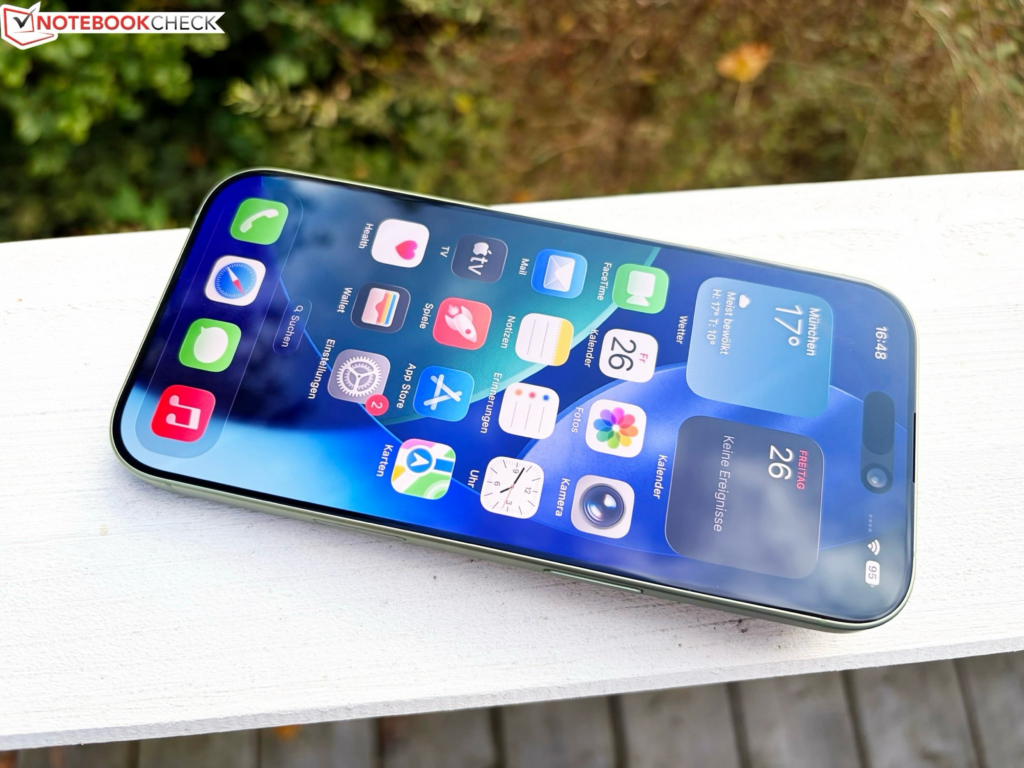
The price lands around $599, placing the device roughly $200 below the standard iPhone 17. Buyers who stretch that extra $200 get additional cameras, a smoother display, and stronger graphics performance. Apple’s lineup thus creates a carefully engineered ladder of temptation.
Color options include black, white, and pastel pink. USB-C charging is standard, supporting Apple’s ongoing transition away from Lightning connectors.
AI Readiness is the Real Strategy
Both devices share a deeper purpose: preparing users for Apple’s AI ambitions. Large language models, on-device assistants, and generative tools demand local processing power. Cloud reliance introduces latency, privacy risks, and cost.
By pushing stronger chips and higher memory into mainstream products, Apple builds an installed base ready for advanced features before announcing them. It’s the hardware equivalent of laying fiber optic cable before launching streaming services.
Analysts often frame Apple as reactive in the AI race. Yet the company historically wins through ecosystem integration rather than raw first-mover speed. The new devices follow that playbook.
Supply Chain Pressures on the Launch
Semiconductor shortages still haunt the industry. Memory components remain tight, and high-end chip fabrication runs near capacity. Apple’s ability to deliver performance gains without price increases flexes its negotiating muscle with suppliers and its custom silicon strategy.
Designing chips in-house allows Apple to optimize performance per watt and reduce dependence on external roadmaps. Competitors relying on off-the-shelf processors cannot tune hardware and software together with the same precision.
The connectivity upgrades also hint at a longer game. Support for Wi-Fi 7 and Thread signals preparation for dense smart-home networks, augmented reality accessories, and data-heavy applications.
Consumer Impact: Quiet Evolution Beats Flashy Revolution
For everyday buyers, the changes appear incremental. No radical redesign or holographic displays. No foldable screens. Instead, faster performance, longer longevity, and compatibility with future software.
That approach often frustrates spec-hunters but delights users who keep devices for several years. Apple devices age more gracefully when there is hardware headroom.
Developers benefit as well. A larger base of capable devices enables more ambitious apps without leaving older hardware behind.
TF Summary: What’s Next
Apple’s latest refresh reinforces a familiar truth. The company rarely chases headline-grabbing hardware stunts. It prefers steady upgrades that compound over time. The M4 iPad Air blurs the line between consumer tablet and professional workstation. The iPhone 17e turns entry-level into something that feels distinctly premium.
MY FORECAST: Expect Apple to lean heavily into on-device AI features across upcoming software releases. These devices form the foundation for that push. Competitors will respond with raw specs. Apple will respond with integration. History suggests integration wins.
— Text-to-Speech (TTS) provided by gspeech | TechFyle