


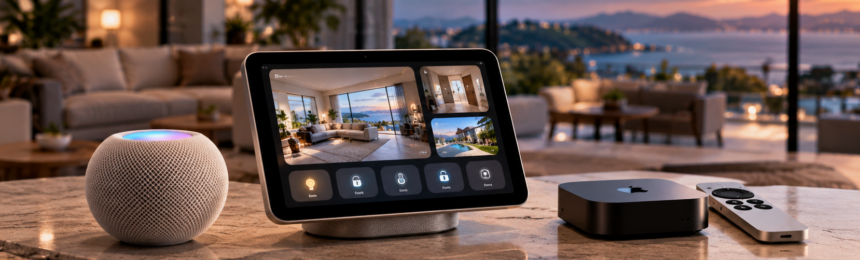
Apple prices HomeView at $299 (€266), raises the Apple TV 4K to $299 (€266) and sets the HomePod mini 2 at $149 (€133)
HomeView, the company’s first smart home display, costs $299 (€266) and ships on 13 November. Apple unveiled the hub on 13 October 2026 with a new Apple TV 4K at $299 and a HomePod mini 2 at $149 (€133). TF breaks down the products, the prices and the open questions.
What’s Happening & Why It Matters
The Hub
Apple announced HomeView at its “Welcome home” event in New York, Engadget reports. The hub has a tilting 7-inch touchscreen and runs on an A18 chip. Pre-orders opened on 13 October 2026, with shipping on 13 November. The reports match the mid-November date reported in Long-Rumored Homehub Expected from Apple This Week.
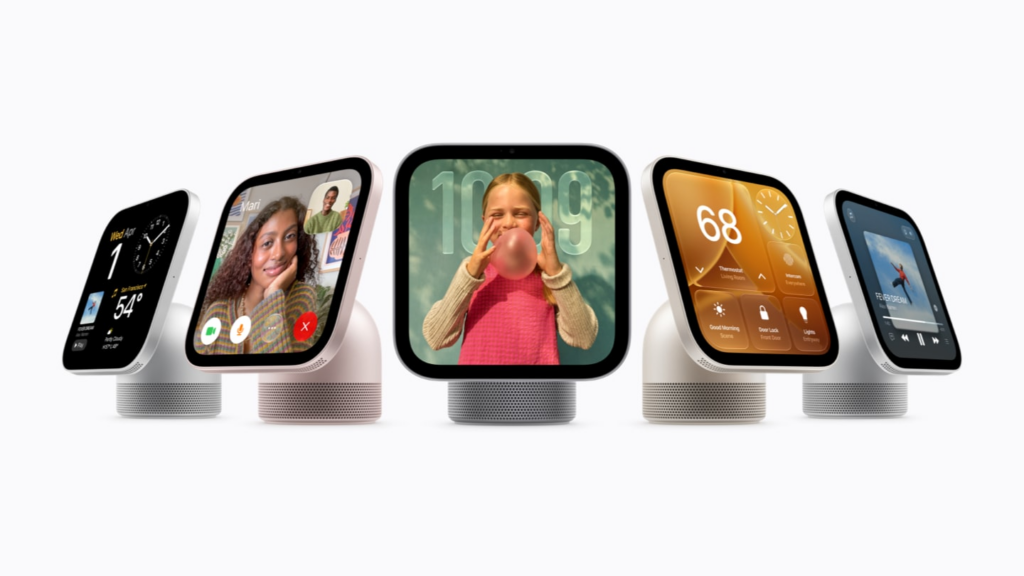
Two versions cost $299 (€266) each. The countertop model has a speaker base in silver, starlight, rose pink or space grey. The wall-mount model has no base and comes in space grey or silver. A 12MP front camera handles FaceTime calls.
Siri AI and Apple Intelligence run the hub. Face recognition spots up to six people, with personal screens, alerts and calendars for each. Euronews calls HomeView Apple’s first smart home device with a display. Greg Joswiak, Apple’s marketing chief, says the hub suits everyone in a home while staying personal to each user.
Launch markets are the US, Australia, Canada, India, New Zealand, Singapore, South Africa and the UK, in English. Canadian French follows in an update.
Apple TV 4K and HomePod mini 2
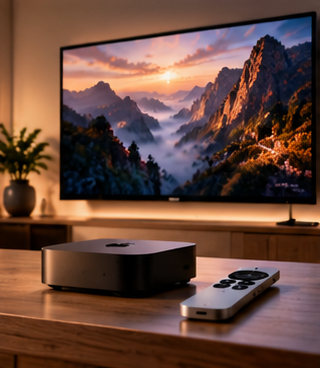
The new Apple TV 4K uses an A19 chip and costs $299 (€266), $100 more than the old model. Siri AI uses personal context from an iPhone and answers on screen. Far-field microphones allow hands-free use. Pre-orders opened on 13 October, with shipping on 13 November.
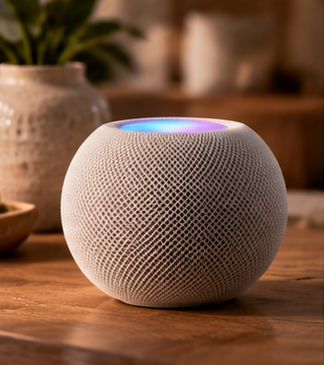
The HomePod mini 2 costs $149 (€133) and uses an S10 chip. Setup starts on 30 October 2026. Colours are pink, blue, green, white and midnight. Euronews says the speaker carries Siri AI. Engadget says Siri AI arrives later in a software update. The two reports conflict, so Apple’s listing will settle the question.
The Apple Home Collection
Apple built a line of accessories with LG and Schneider Electric. Some items arrive in December 2026, and the rest in 2027: all support Thread and Matter.
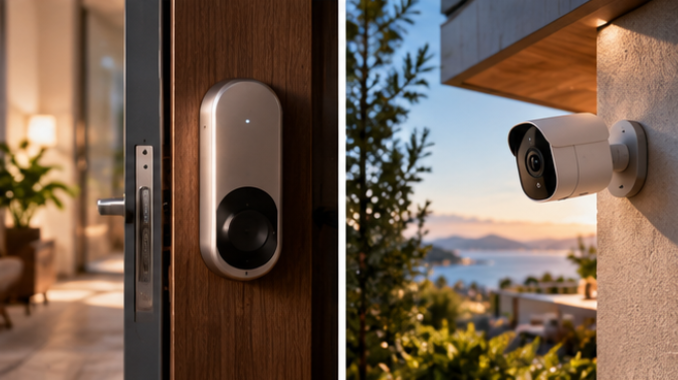
- Smart Deadbolt Lock: $350 (€312). The lock opens as an iPhone or Apple Watch nears.
- Thermostats: $200 (€178) each, with occupancy and bedtime settings.
- Indoor Cam: $200 (€178). The camera tilts to check for packages.
- Outdoor Cam: $300 (€267). Floodlight Cam: $400 (€356).
- Video Doorbell Wired: $250 (€223).
- Sensors: $40 (€36) each.
Video stays in iCloud with no extra subscription, and the history runs for up to 10 days.
Price and Competition
The Apple TV 4K price is the clearest cost signal. Memory costs lifted Apple prices in 2026, covered in RAMageddon Hits MacBook Air Supply as Chip Shortage Deepens. My take: Apple holds HomeView at the rumoured $299 and lifts the TV price instead. Buyers who want Siri AI on a TV pay the most.
Google and Amazon sell screen hubs in the same price range. Apple argues privacy and security set HomeView apart. Accessory prices run above many rivals, so the full home costs more than the hub.
TF Summary: What’s Next
Pre-orders for HomeView and the Apple TV 4K ship on 13 November 2026. The HomePod mini 2 starts on 30 October. Reviewers will test Siri AI on all three devices before the shipping date. Apple must confirm when Siri AI will reach the HomePod mini 2.
MY FORECAST: HomeView will sell out of at least one colour before 13 November. Reviewers will rank Siri AI as the hub’s main strength. Apple will add Siri AI to the HomePod mini 2 by the end of 2026. Google and Amazon will cut hub prices before the holidays.
Related Stories
- Long-Rumored Homehub Expected from Apple This Week
- RAMageddon Hits MacBook Air Supply as Chip Shortage Deepens
- Meta Releases Muse Wonder, Its First Frontier AI Model