


Anthropic Establishes New Biology Research Lab in the Bay Area
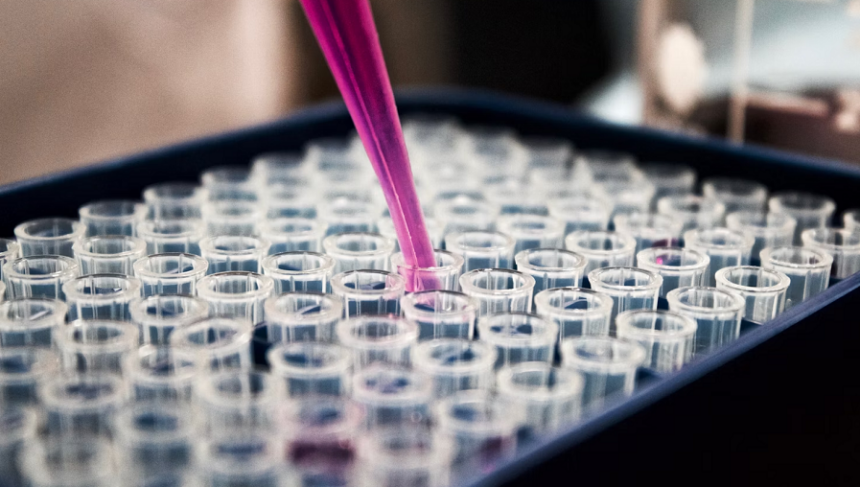
Anthropic PBC has officially launched a wet lab in the San Francisco Bay Area, a facility dedicated to research in biology. This development comes as part of the company’s broader initiatives in the artificial intelligence and biotechnology sectors.
According to a report from Reuters, the lab will utilize robotics to automate some scientific tasks, enhancing efficiency in research operations. These robots will be driven by Anthropic’s Claude series of large language models, showcasing the company’s commitment to integrating AI innovation with biological research.
While the specific research projects for the lab remain undisclosed, it builds on Anthropic’s previous initiatives. In June, the company unveiled a program focused on drug discovery for diseases that are often overlooked by the pharmaceutical industry. However, a spokesperson for Anthropic clarified that the new laboratory is “not for drug discovery specifically,” indicating that the research may expand into various fields within biology.
In biology, many drugs work by targeting specific proteins within disease cells. This process necessitates the use of high-affinity binders, molecules that can effectively attach to harmful proteins. Earlier this month, Anthropic assessed the capabilities of its Claude Mythos 5.1 model in generating high-affinity binders, resulting in the creation of 12 candidate molecules with an impressive therapeutic hit rate of 50%. This rate significantly outpaces the usual success rates of 10% to 15% observed in typical protein design projects.
The integration of Claude in the lab operations suggests the application of the Model Hardware Standard (MHS), a protocol that enables AI control over lab equipment. This framework allows AI models to monitor experimental errors, rectify them, and produce automation scripts for hardware management. Researchers often coordinate multiple lab instruments to analyze biological phenomena, traditionally relying on manual scripting. With MHS, Anthropic aims to streamline this process, enabling Claude to manage tasks with greater reliability.
Anthropic also intends to collaborate with external partners for certain lab projects. The MHS protocol was developed in partnership with the Virginia-based Howard Hughes Medical Institute (HHMI), which is actively exploring the use of Claude’s MHS workflows for lab automation. This collaborative approach may enhance the lab’s capabilities and broaden its research scope.