


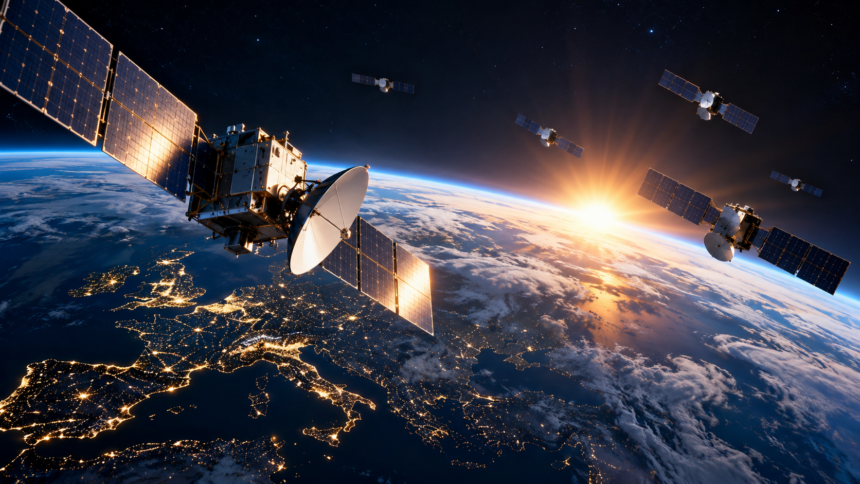
Globalstar wins FCC approval, SpaceX adds licences, carriers fight a 482 MHz plan, and Starlink sites burn in Europe
The satellite wars are heating up, with Amazon, SpaceX and US carriers fighting for phone-to-space spectrum, TF found.
A week of filings, approvals and attacks has redrawn the field. A decisive FCC vote follows on 29 Octoberr.
What’s Happening & Why It Matters
Amazon, Globalstar Clear Major Hurdles
The FCC authorised Globalstar’s third-generation C-3 system, and the company announced the approval on 19 October 2026. The constellation holds 48 satellites at 1,414 km, six in-orbit spares and about 90 ground antennas. MDA Space is building the spacecraft in Canada.
Globalstar plans to launch the first 12 satellites in early to mid-2027. The FCC order requires at least half of the 48 to be operating by 11 October 2032. Amazon agreed in April to buy Globalstar for $11.6 billion (about €10.3 billion), with closing expected in 2027. Apple has invested more than $1 billion (about €0.89 billion) in Globalstar and holds most of the network’s bandwidth.
Android is the new front. Skylo already serves some Google Pixel and Samsung Galaxy phones. Globalstar backed its FCC application to cover up to 250 million devices. Skylo’s filing lists frequencies Globalstar already holds. Neither firm has disclosed financial terms or a device list.
SpaceX Adds Spectrum
The FCC cleared SpaceX to buy three AWS-3 licences from Tristar License Group on 21 October 2026. The licences span 15 MHz in the 1695 to 1710 MHz band. Together they round out near-national coverage for Starlink’s phone service. The FCC approved 15,000 next-generation direct-to-cell satellites for Starlink Mobile.
SpaceX still holds far less spectrum than any big carrier. Analysts put its phone allocation near 80 MHz, while each major carrier holds about 300 MHz. Amazon Leo has applied for up to 5,105 direct-to-device satellites and had 396 in orbit in October.
Carriers Resist
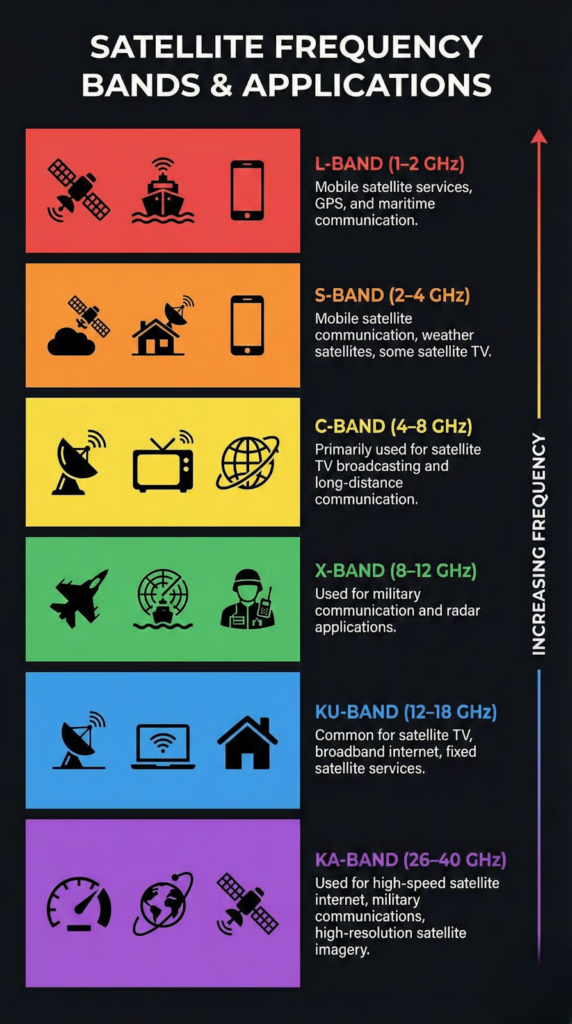
The FCC draft would add 482 MHz for satellite-to-phone service and lift the framework from five bands to 13. The draft would swap carrier lease deals for coexistence agreements. AT&T, T-Mobile and Verizon, through trade group CTIA, want the 2.5 GHz and 3.45 GHz bands removed. The two bands total 290 MHz.
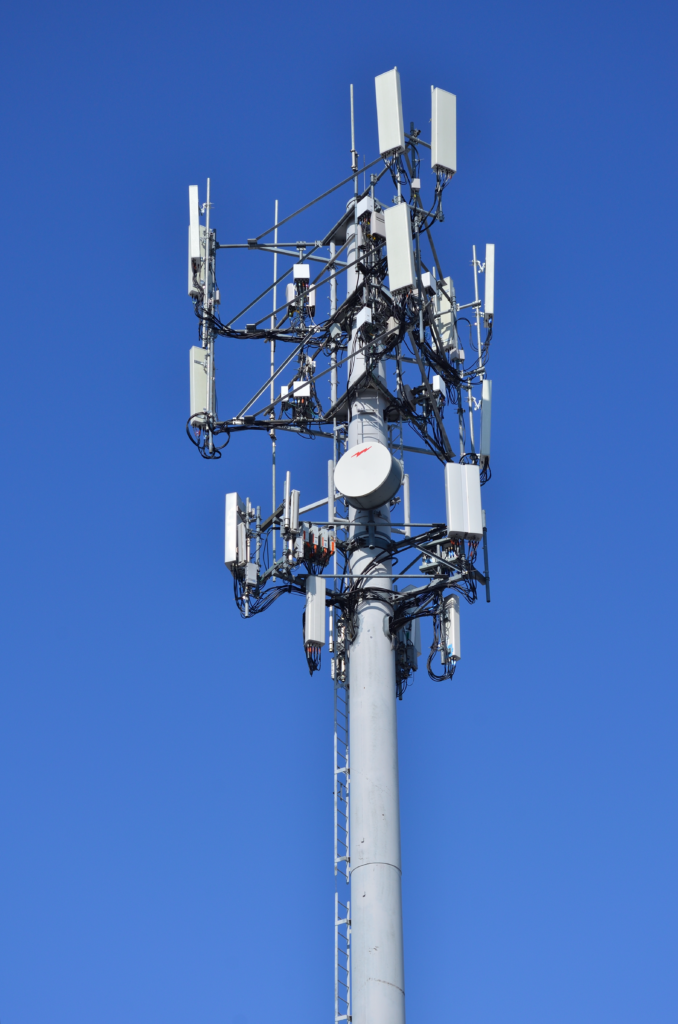
T-Mobile filed the sharpest objection. The carrier says satellite signals could collide with tower timing in its 2.5 GHz network. Even with perfect alignment, uplink coverage would fall 35% to 65%. In worst cases, T-Mobile warns of losses up to 96% and disruption to 911 calls. The filing never names SpaceX, though T-Mobile is Starlink Mobile’s first carrier partner. CTIA chief Ajit Pai has pressed Chairman Brendan Carr to drop the bands.
Sabotage, Launches and a Spanish Rival
Starlink sites face physical attack. Intruders tried to burn a firm storing Starlink antennas in Lithuania on 17 to 18 October, and guards stopped them. Earlier fires struck a ground station in Poland and 11 of 17 antennas near Sofia in Bulgaria. Lithuania’s prime minister called the Lithuanian attempt part of Russia’s hybrid war, and no arrests have followed.
Launch news adds to the picture. SpaceX turned down three US Space Force launch contracts, according to the latest Rocket Report. Spain’s PLD Space is integrating its Miura 5 rocket at Teruel and targets a first flight before mid-2027.
My take: Spectrum is the real prize, and every player is arguing from self-interest. T-Mobile’s engineering case on timing deserves a hearing, but carriers want to protect leased bands from a rival. The FCC should demand independent interference tests before opening any time-division band. Physical attacks on Starlink show the network is a military target and a business asset.
TF Summary: What’s Next
The FCC votes on 29 October 2026 on whether to open a formal rulemaking, and the draft can still change. Amazon’s Globalstar purchase needs approval before 2027. Starlink’s European sites need tighter security.
MY FORECAST: The FCC will advance the draft but drop or narrow the 2.5 GHz band. Amazon will confirm Android support through Skylo in 2027. More arson attempts on Starlink sites will follow in Europe before year end.
Related Stories
- Amazon Leo Hits 400 Mbps in US Army Test, Challenging Starlink
- Musk Backs Tesla-SpaceX Merger as SpaceX Posts First Profit
- Russian Spacecraft Kosmos 2612 Trails Ukraine’s ICEYE Satellite
- Musk Pledges a SpaceX Share for Every American Child
- Data Centres Targeted in Ukraine, Russia and Iran Wars