



A London research engineer and an AI researcher have quit in October, and colleagues say more departures are coming
Google DeepMind staff resign over military AI contracts, with two named researchers gone in October, TF has found.
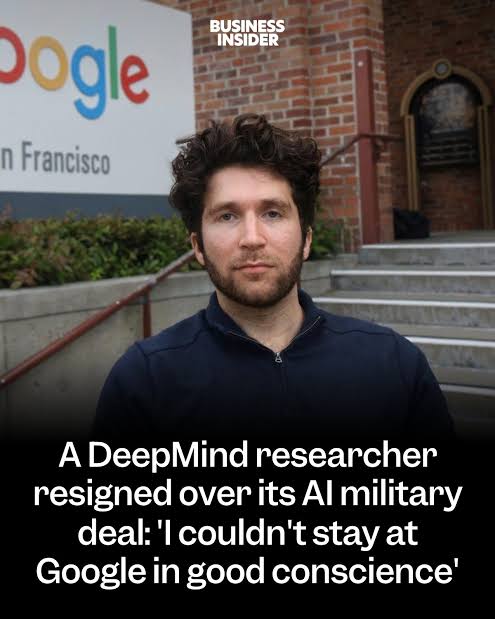
Sofia Liguori, a London research engineer, left within the past week after three years at the lab. Andreas Kirsch, an AI researcher, left earlier in October. Both say Google’s work for the US and Israeli militaries has outgrown its safeguards.
What’s Happening & Why It Matters
Two Named Exits and a Quieter Group
Liguori joined DeepMind in 2023 and worked on AI for electrical-grid power routing. She says her trust in Google’s stated ethics eroded as the Gaza war escalated and the military deals grew. She spoke out although her contract restricts staff from criticising the company.
Kirsch argues Google lacks the governance for classified deployments. In his view, the company has little control over how the Pentagon uses its models once delivered. Neither researcher gave a headcount, yet both say colleagues have left, some named and some silent.
The Contracts Creating Anger
Google signed a Pentagon agreement in April permitting its AI in classified work. The wording allows use for “any lawful government purpose”. The models should not support domestic mass surveillance, or autonomous weapons selecting targets, without suitable human oversight.
Google is one of several firms in the queue. OpenAI, Amazon, Microsoft, SpaceX, Oracle, Nvidia and the start-up Reflection have signed comparable deals. Staff argue the agreements widen what the Pentagon can do with commercial AI across logistics, planning and battlefield operations.
Project Nimbus adds a second grievance. The 2024 cloud and AI contract, worth $1.2 billion (about €1.07 billion), supplies Israel’s government and military. Google said at the time Nimbus did not cover sensitive, classified or weapons-related work.
Google’s Response
A Google spokesperson, Tom Hewett, said the company works with public sector bodies worldwide. Each contract goes through a consistent review under Google’s acceptable use policy and AI principles. He added that employeeses have channels to raise conceded, and retaliation is prohibited.
Liguori disputes the picture. She says internal posts containing the word “genocide” were deleted, and managers called her tone too aggressive. Automated replies met her formal complaints. DeepMind staff voted to unionise in May, and she hopes to grow the union drive.
Washington Wants Speed
The Pentagon’s direction explains the urgency. Defence Secretary Pete Hegseth has called for an “AI-first warfighting force”, and undersecretary Emil Michael says speed decides wars. Palantir’s Maven Smart Systems already helps personnel pick targets with AI.
Jack Shanahan, who once led Project Maven, has criticised the rush to deploy ahead of thorough testing. Critics add current models are too brittle for warfare and can outpace human review. Employees voice the same worry from inside the labs.
My take: Resignations are the cheapest warning a lab gets about weak safeguards. Contract clauses on human oversight sound firm on paper, but nobody outside the Pentagon can verify compliance in classified settings. Google will need an independent audit route if Google wants staff and regulators to trust the wording. Without one, talent will keep walking, and rivals with clearer red lines will recruit the leavers.
TF Summary: What’s Next
Google DeepMind staff resign in small numbers so far. The union drive and the open exits give organisers a platform. Google holds firm on its review process, so a policy change looks improbable in the short term.
MY FORECAST: Google will keep its Pentagon contracts, and more researchers will resign or unionise by December 2026. Investors and UK lawmakers will press for clearer disclosure on human-oversight limits.
Related Stories
- OpenAI: Internal Coding Agents Weakened Safety Monitoring
- Microsoft’s Nadella and Smith Back an AI Emergency Brake
- Anthropic Plans 5% Share Pledge for a Public Benefit Fund
- Data Centres Targeted in Ukraine, Russia and Iran Wars
- US Bars DeepSeek From Federal Civilian Agencies