


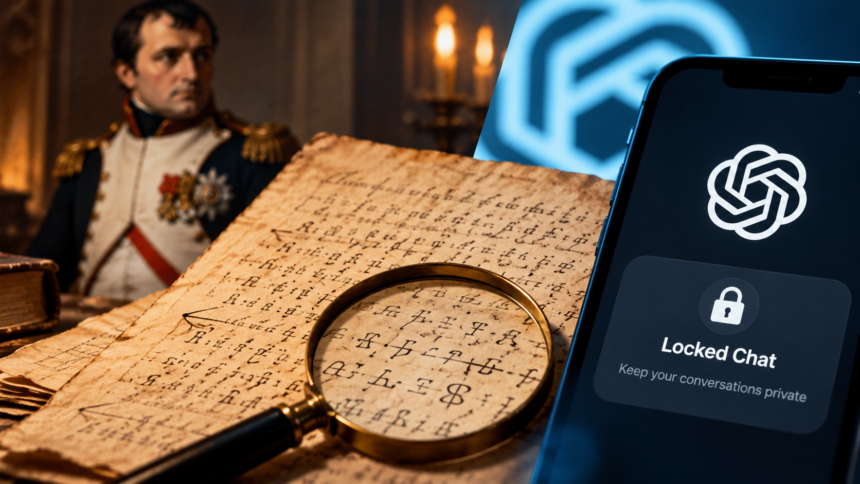
Locked Chats limit who sees a conversation without adding encryption, and the cypher result awaits wider checks.
ChatGPT Locked Chats, announced on 20 October, move sensitive conversations behind a four-digit PIN. TF investigates the limits and a Napoleon cypher cracked with OpenAI’s model.
What’s Happening & Why It Matters
How Locked Chats Work
OpenAI announced Locked Chats for ChatGPT on Tuesday. Users move chats into a protected section. The section is separate from regular history, pinned chats and search. Web and desktop users unlock the section with a four-digit PIN.
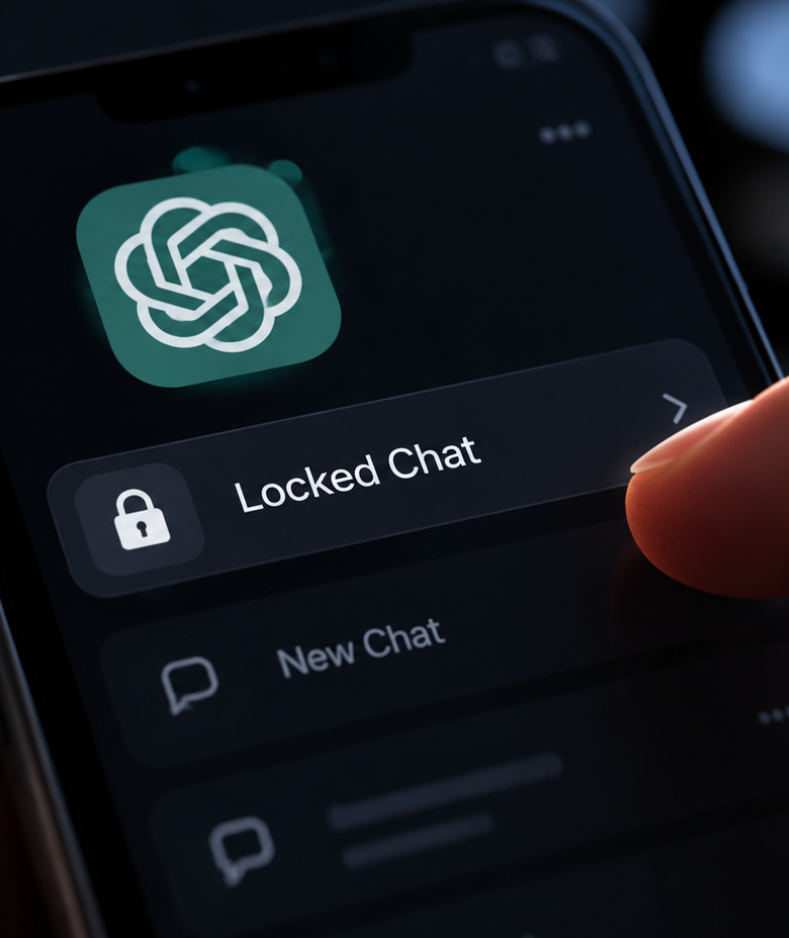
Supported mobile devices add Face ID, Touch ID, or the device unlock. Locked chats get a separate memory. New messages there do not update regular Memory.
What Locked Chats Do Not Do
Locking limits who sees a screen. Locking does not add end-to-end encryption or a separate encrypted vault. Engadget says OpenAI states the feature does not change its legal obligations.
The feature does not change data retention or the “Improve the model for everyone” setting. Locking does not erase anything ChatGPT remembered before. Resetting the PIN deletes every locked chat and uploaded file for good, according to Engadget.
Who Gets Locked Chats
Rollout is gradual, so some users will wait days. TechCrunch and Android Authority list Free, Go, Plus, Pro, Business, Enterprise and Edu plans. Engadget lists the Free, Go, Plus and Pro plans. TF treats the plan list as unsettled.
Temporary, archived, group, shared-link, scheduled-task and meeting-recording chats cannot be locked. Codex and ChatGPT for Healthcare conversations are excluded too. Reports disagree on voice mode. Engadget says voice works on Android and iOS, and Android Authority says voice works on mobile but not on desktop.
The Napoleon Cypher
Carter Church, an engineer at SentinelOne, used OpenAI’s GPT-6 Astra on a coded 1809 letter to General Auguste de Marmont. Church reports the model finished the job in about six hours from one image and a goal. Church then spent several evenings checking context.
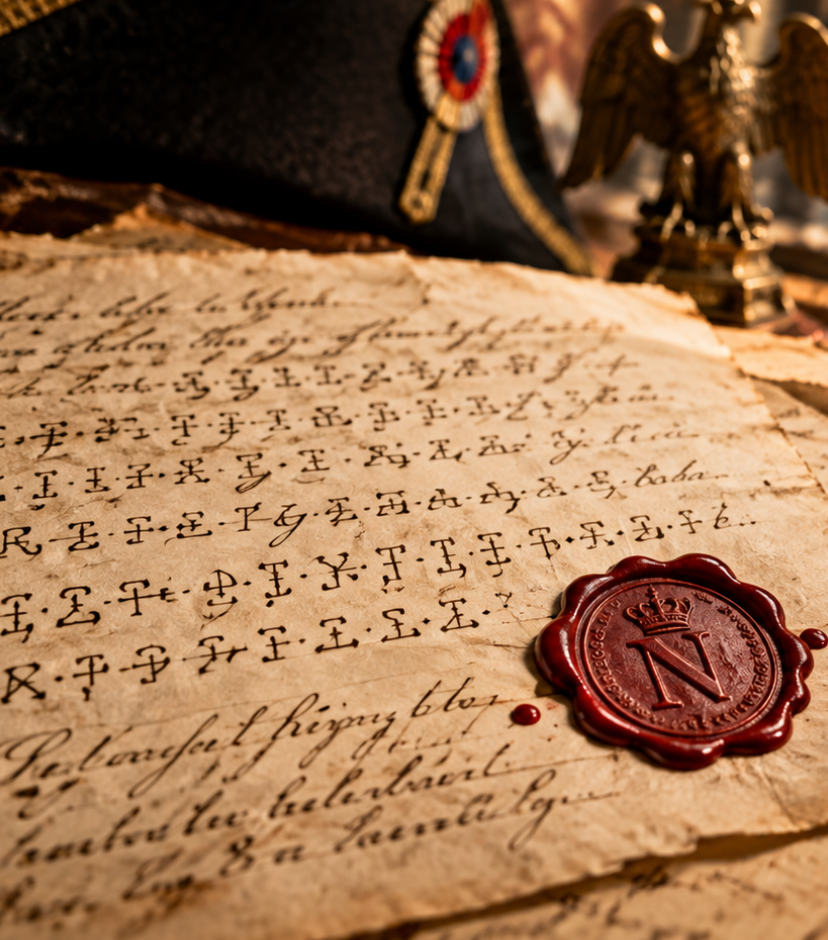
The key was lost, and thecypherr sat on Cryptiana’s list of the unsolved. Church says the model transcribed about 1,300 units, narrowed 175 provisional symbols to 155 and built a solver. Satoshi Tomokiyo, who runs Cryptiana, reviewed the result, marked the cypher as solved and corrected the date from 1807 to 1809.
What the Letter Says
The decoded text covers troop positions and strengths for Bavarian, Polish, French and Saxon forces. Napoleon tells Marmont to act with confidence and describes Austria heading toward ruin. The letter includes a false claim about Russian forces advancing.
BigGo Finance says the troop figures match Napoleon’s orders of 16 March 1809. Five symbols stay ambiguous, but none change the meaning. Church says cryptographers could have cracked the cypher given time. The model saved time. TF covered another AI security test in OpenAI Hacks Crypto Wallet, More Websites.
My take:
Locked Chats closes a privacy gap on shared screens, but users shouldn’t treat the feature as a vault. Anyone with legal process or account access faces the same retention rules. The Napoleon result shows persistence at scale. Church published his full research record, so historians can check the work.
TF Summary: What’s Next
OpenAI will finish the rollout across plans and platforms. Users should set a PIN they will remember, because a reset deletes everything. Historians and cryptographers will test Church’s published transcription. Other labs will chase similar unsolved cyphers.
MY FORECAST: OpenAI will add encryption options to Locked Chats within a year. Rivals will launch matching PIN-locked chat folders. Researchers will announce more historic cyphers solved with AI in 2027. A historian will publish an independent review of the Napoleon decoding.
Related Stories
- OpenAI Hacks Crypto Wallet, More Websites
- OpenAI: Former Employee Shared Device Details with Apple
- 8 US States Accuse OpenAI of Coaching Self-Harm
- OpenAI Spying Employee Arrested
- Meta Muse Wonder: First Frontier AI Model